

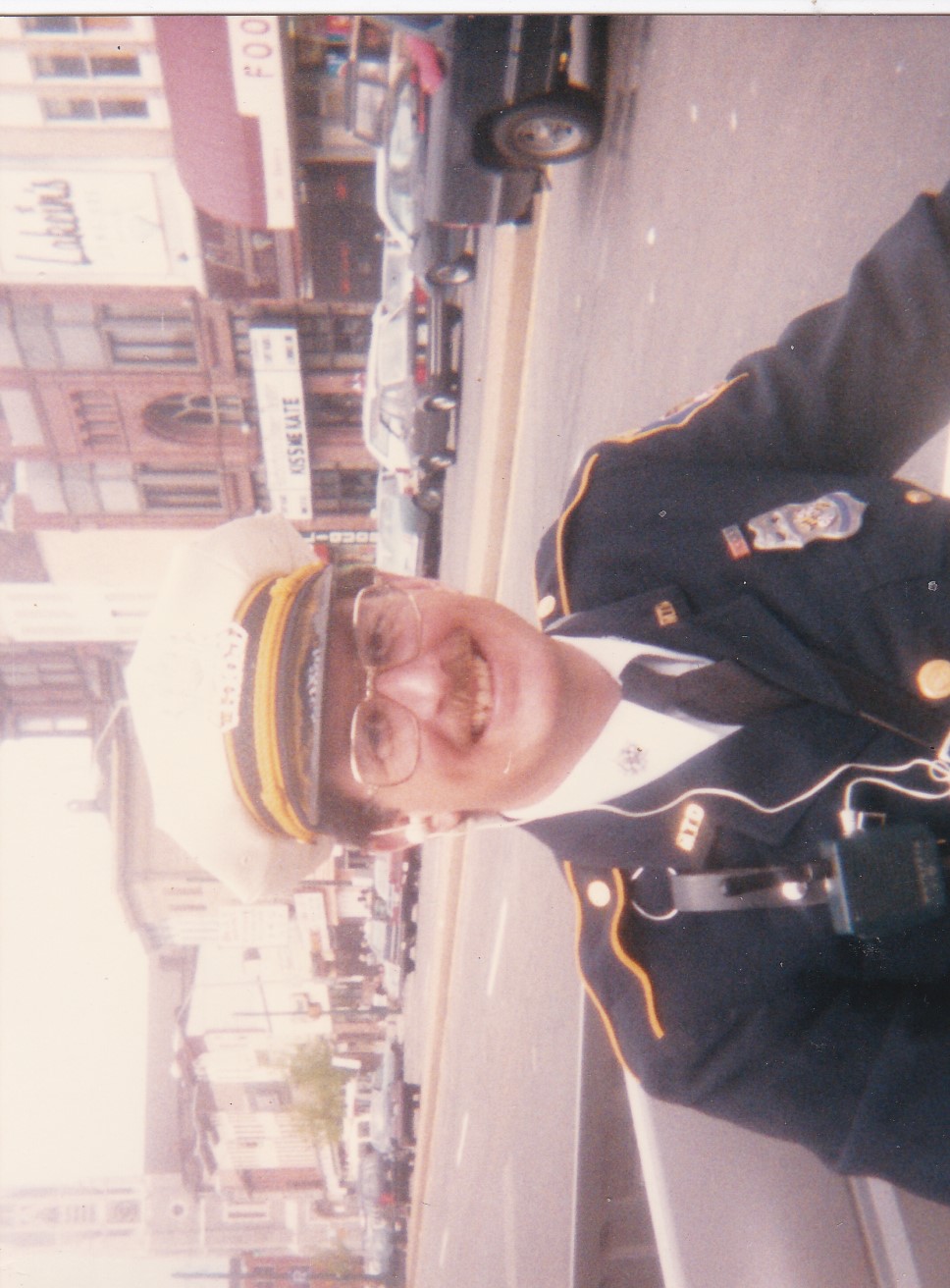
Officer Heiderman had been a historian for our agency long before he knew he was a historian. He started trapping BPD items that had been tossed in the trash and taking them home; nearly 30 years would pass when he would become friends with Kenny Driscoll and either give or sell Ken the majority of his massive collection. Ken researched these items and began adding them to the museum. Aside from the items picked from BPD dumpsters over the years, John was called when someone knew something was about to be discarded, and John would bring his vehicle to the site and again rescue a piece of history that was headed for the Baltimore incinerator or dump. Without John, most of the items he saved wouldn't be around to show.
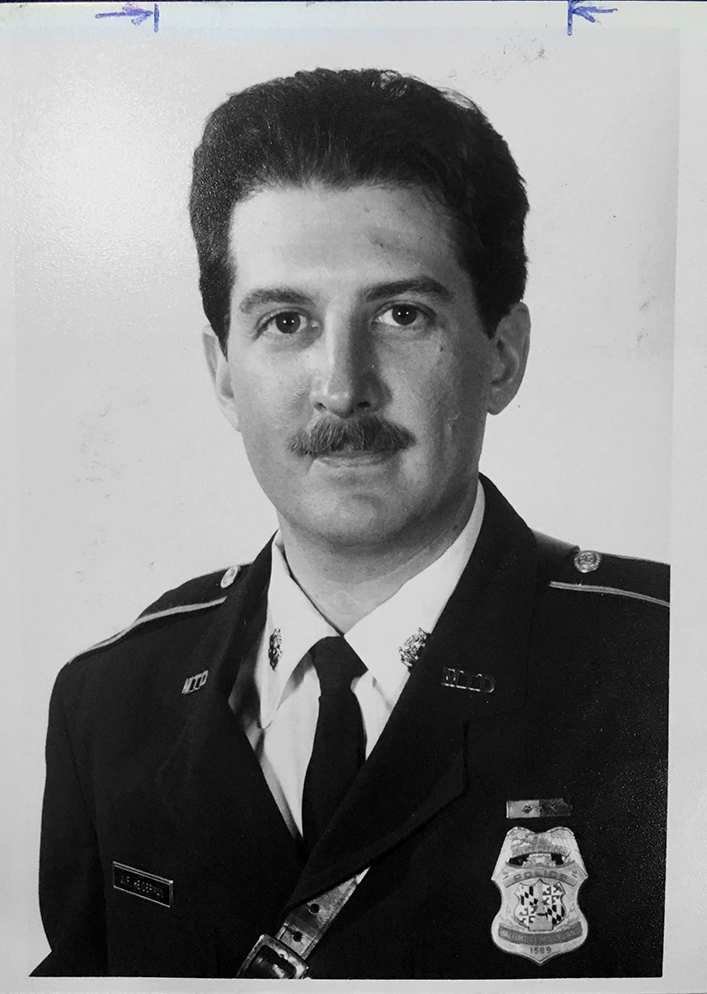
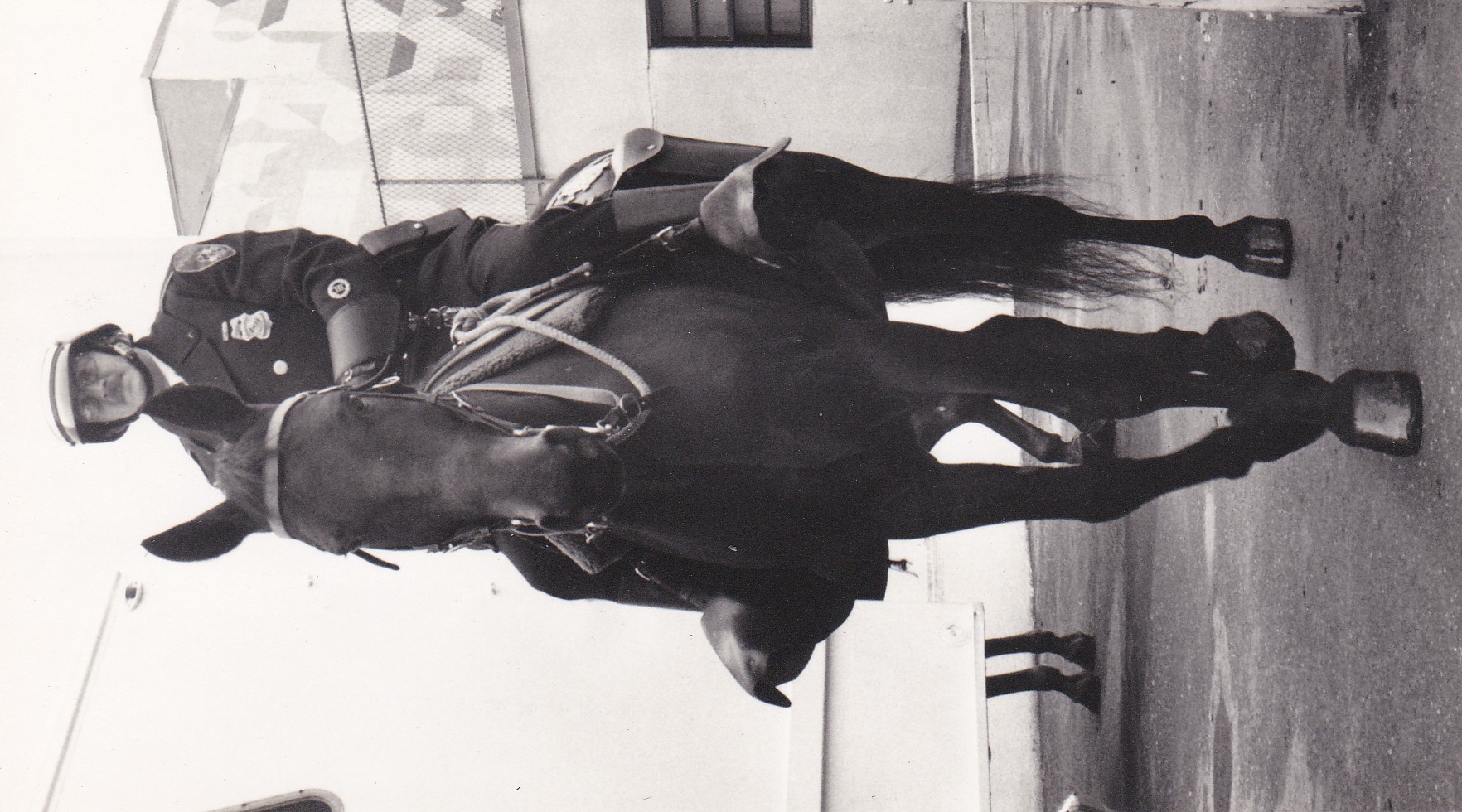
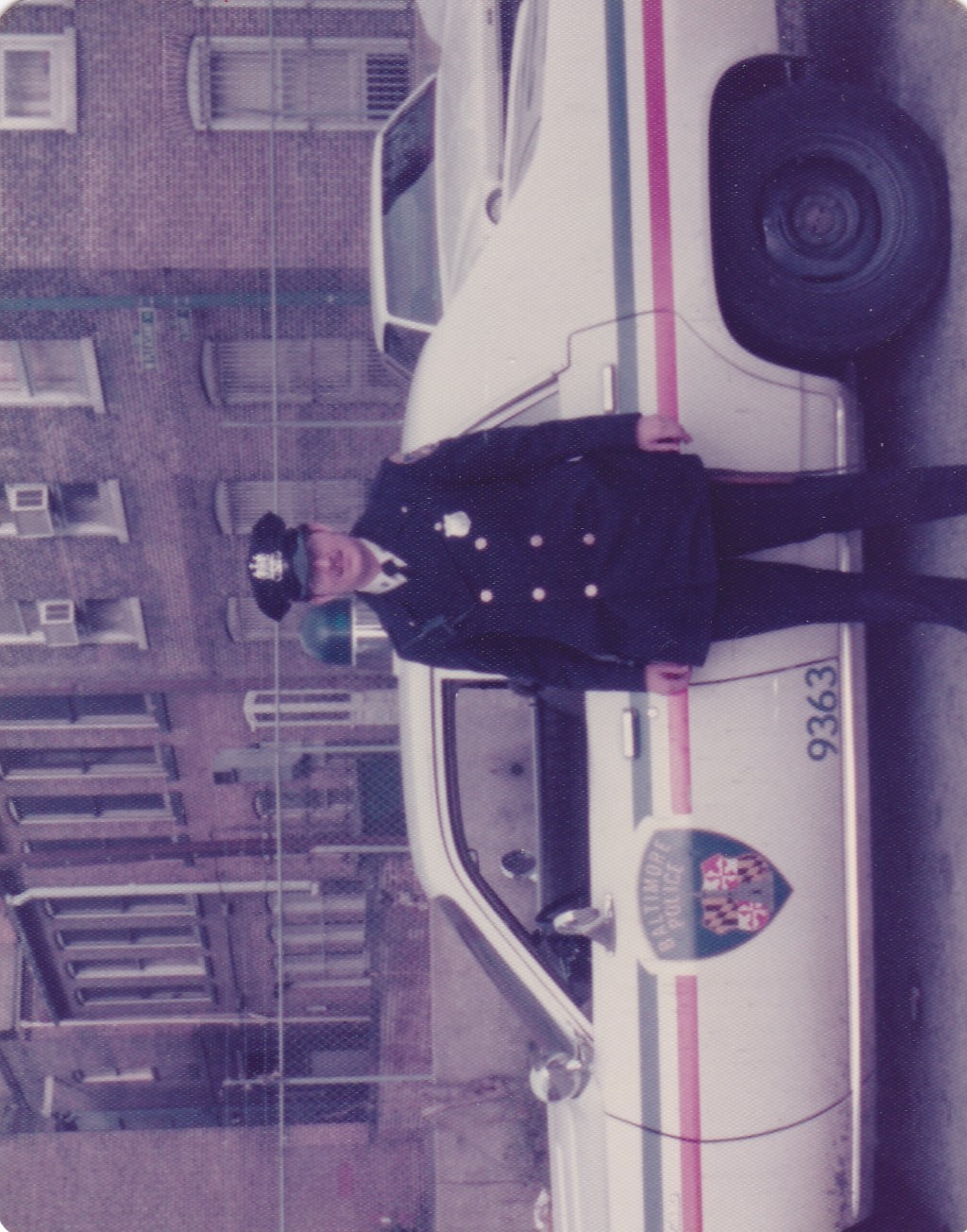
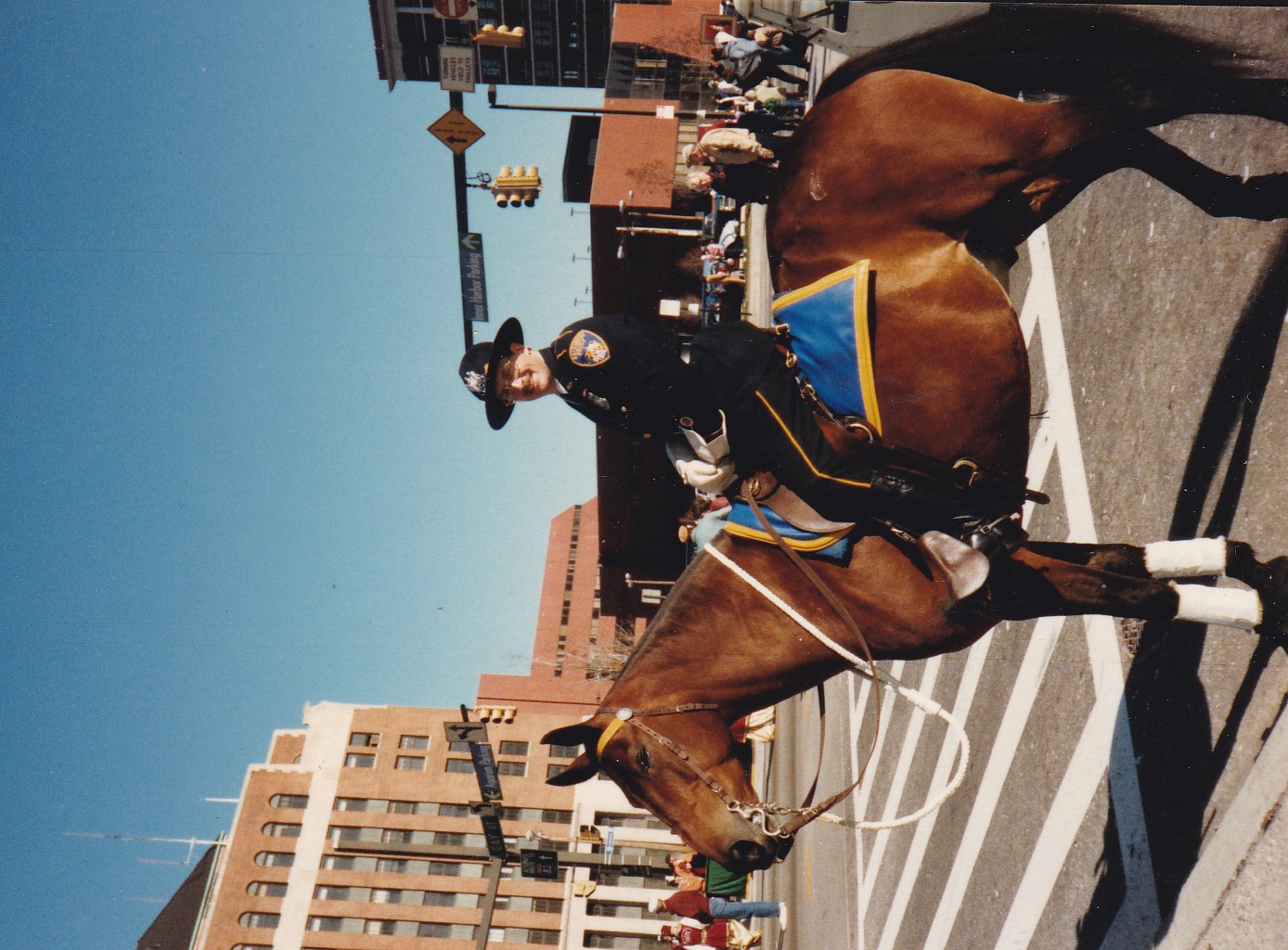
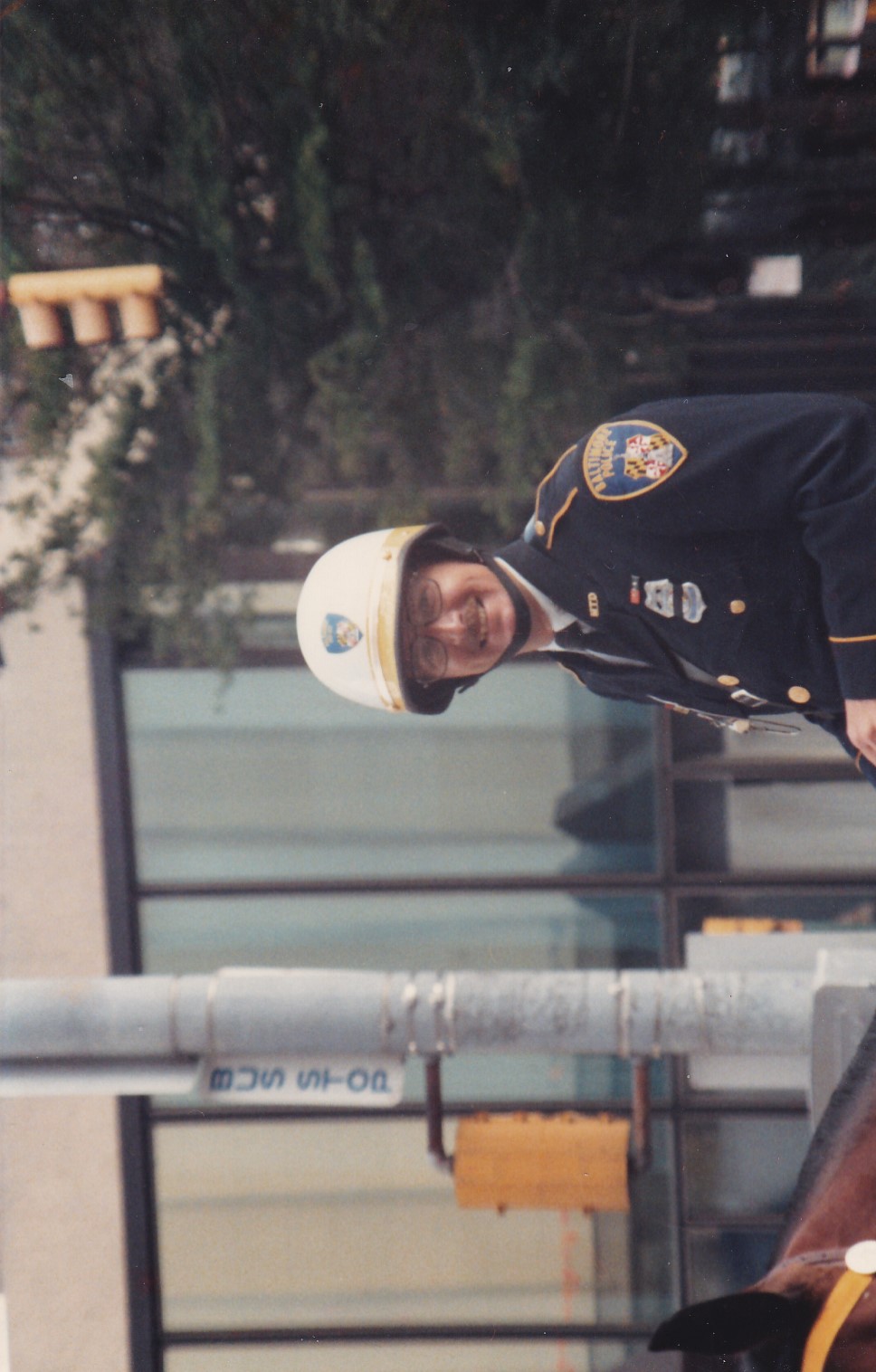
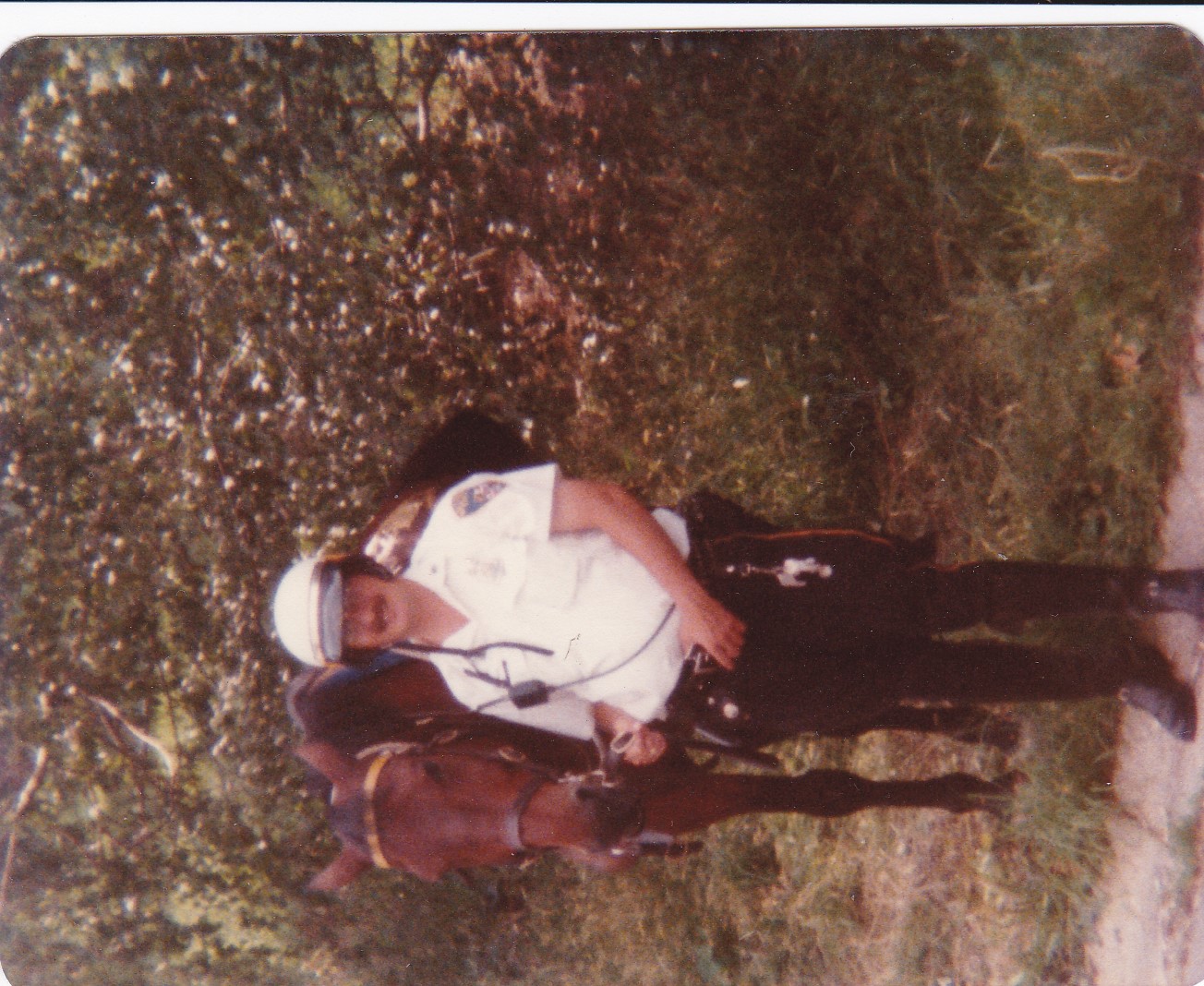
Officer John F. Heiderman
Click HERE for Audio File of Above Photograph
Officer Heiderman had been a historian for our agency long before he knew he was a historian. He started trapping BPD items that had been tossed in the trash and taking them home; nearly 30 years would pass when he would become friends with Kenny Driscoll and either give or sell Ken the majority of his massive collection. Ken researched these items and began adding them to the museum. Aside from the items picked from BPD dumpsters over the years, John was called when someone knew something was about to be discarded, and John would bring his vehicle to the site and again rescue a piece of history that was headed for the Baltimore incinerator or dump. Without John, most of the items he saved wouldn't be around to show. John was also one of the first Baltimore police officers to have been shot off his horse, a horse named Tony, on 14 June 1985, and the horse (Tony) was shot too. There are a lot of police who trap items, pulling them from the trash, but few packed them away, filling several rooms of their home for more than 30 years, only to give the bulk of it to us for historical purposes, and we use it for display, research, and showing people our past.

The Legacy of Officer John F. Heiderman: A Baltimore Police Hero
Officer John F. Heiderman dedicated his career to the Baltimore Police Department, serving in the Mounted Unit and the Central District. His commitment to law enforcement and historical preservation made him a respected figure within the department.
A Passion for Preserving History
Beyond his duties as a police officer, Heiderman was deeply invested in preserving Baltimore Police Department history. He spent decades collecting and rescuing discarded police memorabilia, ensuring that valuable artifacts were not lost to time. His efforts contributed significantly to the Baltimore Police Museum, where many of his collected items are now displayed.
Shot in the Line of Duty
One of the most defining moments of Officer Heiderman’s career occurred on 14 June, 1985, when he was shot in the line of duty while patrolling Druid Hill Park on horseback. He noticed a suspicious vehicle with only one license plate and approached it to investigate. As he requested the driver’s license and registration, the driver attempted to flee. In an effort to stop the vehicle, Heiderman reached inside, but suddenly, three gunshots rang out—two struck him, and one hit his horse, Tony.
Despite his injuries, Officer Heiderman managed to stagger to the side of the road before collapsing. Fortunately, Officer Joseph V. Fonte of the Northern District heard the gunfire and witnessed the attack. He immediately pursued the suspects, firing at their vehicle as they fled.
A Lasting Impact
Officer Heiderman’s bravery and dedication to preserving police history left an indelible mark on the Baltimore Police Department. His contributions to the Mounted Unit, his commitment to historical preservation, and his resilience in the face of danger make him a true Baltimore police legend.
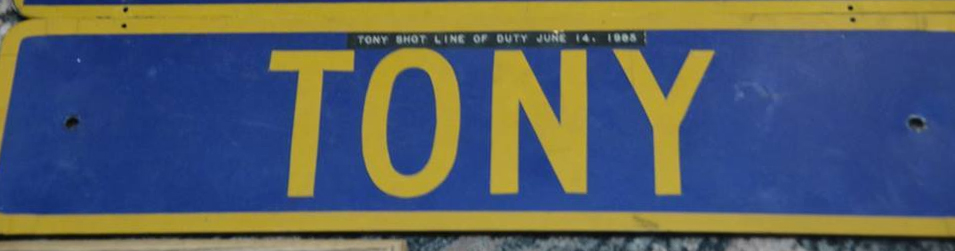
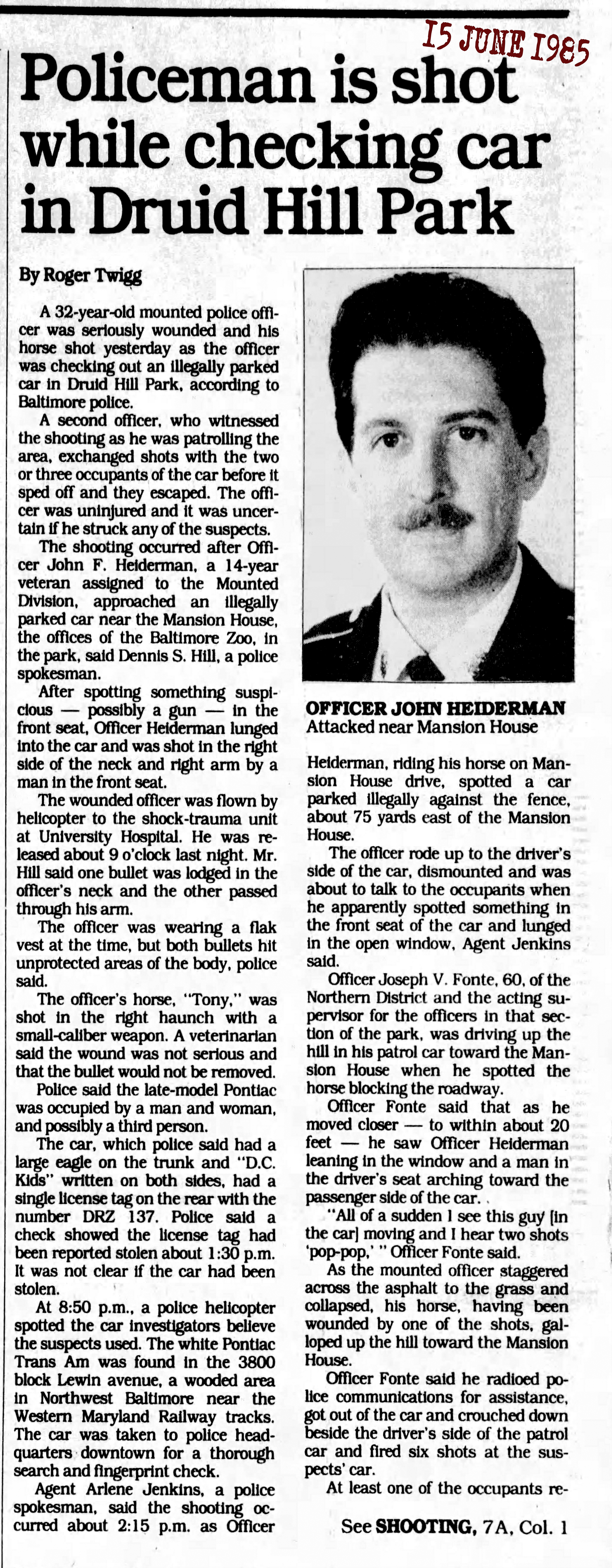
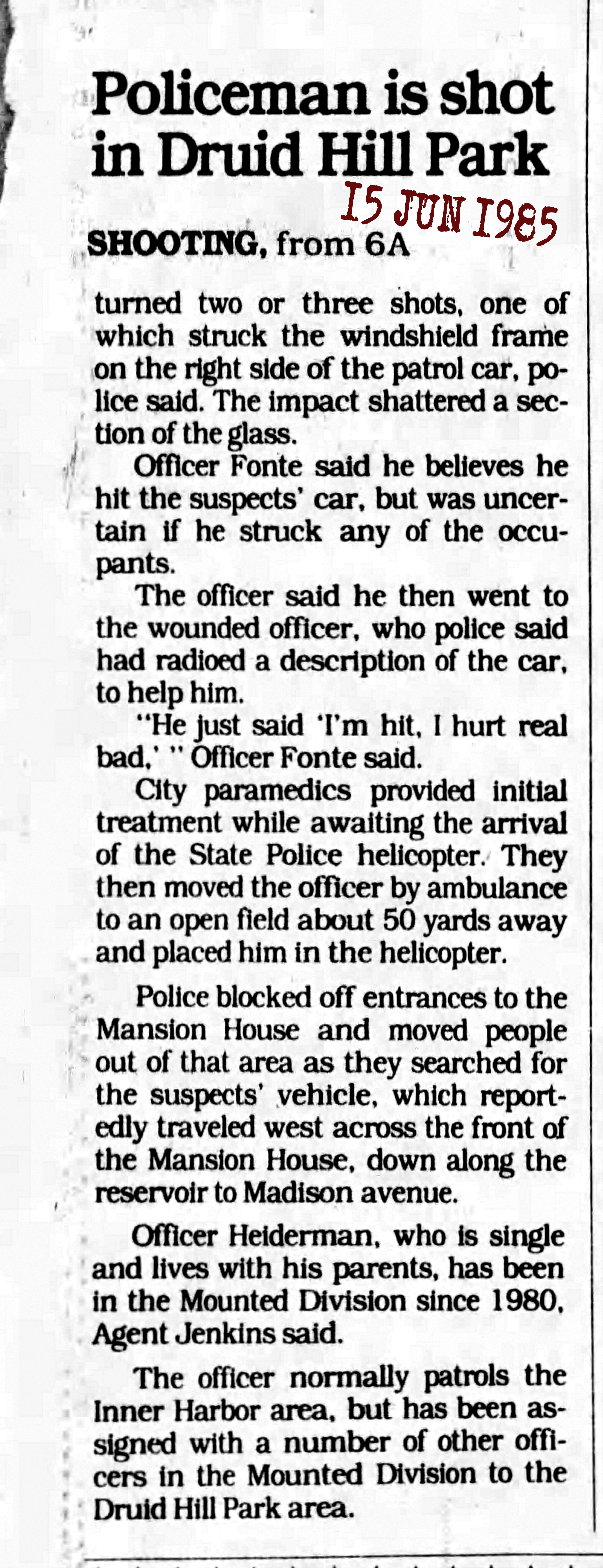
Policeman is shot while checking car in Druid Hill Park
On 14 June 1985, Officer John F. Heiderman, Traffic Division (Mounted), was patrolling Druid Hill Park when he noticed a parked vehicle bearing only one license plate. He dismounted from his horse, "Tony," and approached the vehicle, which was occupied by two men. Officer Heiderman requested the driver’s license and a vehicle registration. At this time the driver of the car started the ignition in an attempt to flee. Officer Heiderman quickly reached into the car through the open window, in an attempt to shut the car’s ignition off. As Officer Heiderman was reaching toward the car keys, three shots rang out, striking the officer twice and his horse “Tony” once.
Police officer Joseph V. Fonte, Northern District, heard the shots and saw Officer Heiderman stagger to the side of the road where he would collapse. Exiting his vehicle, Officer Fonte called out to the suspects who were driving away. Ignoring commands to stop, Officer Fonte fired at the suspects’ car several times. The suspects turned their guns on him, shooting back as they made their escape; several of their rounds would strike Officer Fonte’s vehicle. He then went to the aid of Officer Heiderman and radioed for medical help.
Within seconds, a description of the suspects’ car and license tag was broadcasted by Officer Heiderman. Police units from throughout the city and surrounding jurisdictions were all on the lookout for the suspects and their vehicle. Officer Heiderman was flown by Maryland State Police helicopter to University Hospital's Shock Trauma unit for gunshot wounds to the right arm and upper chest.
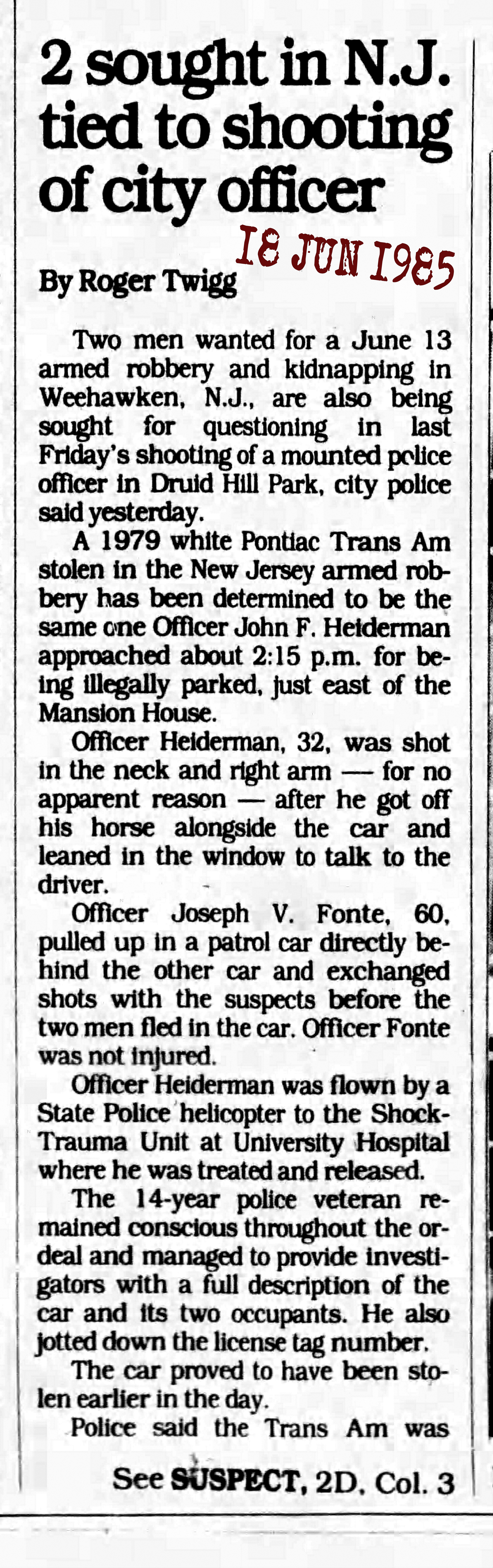
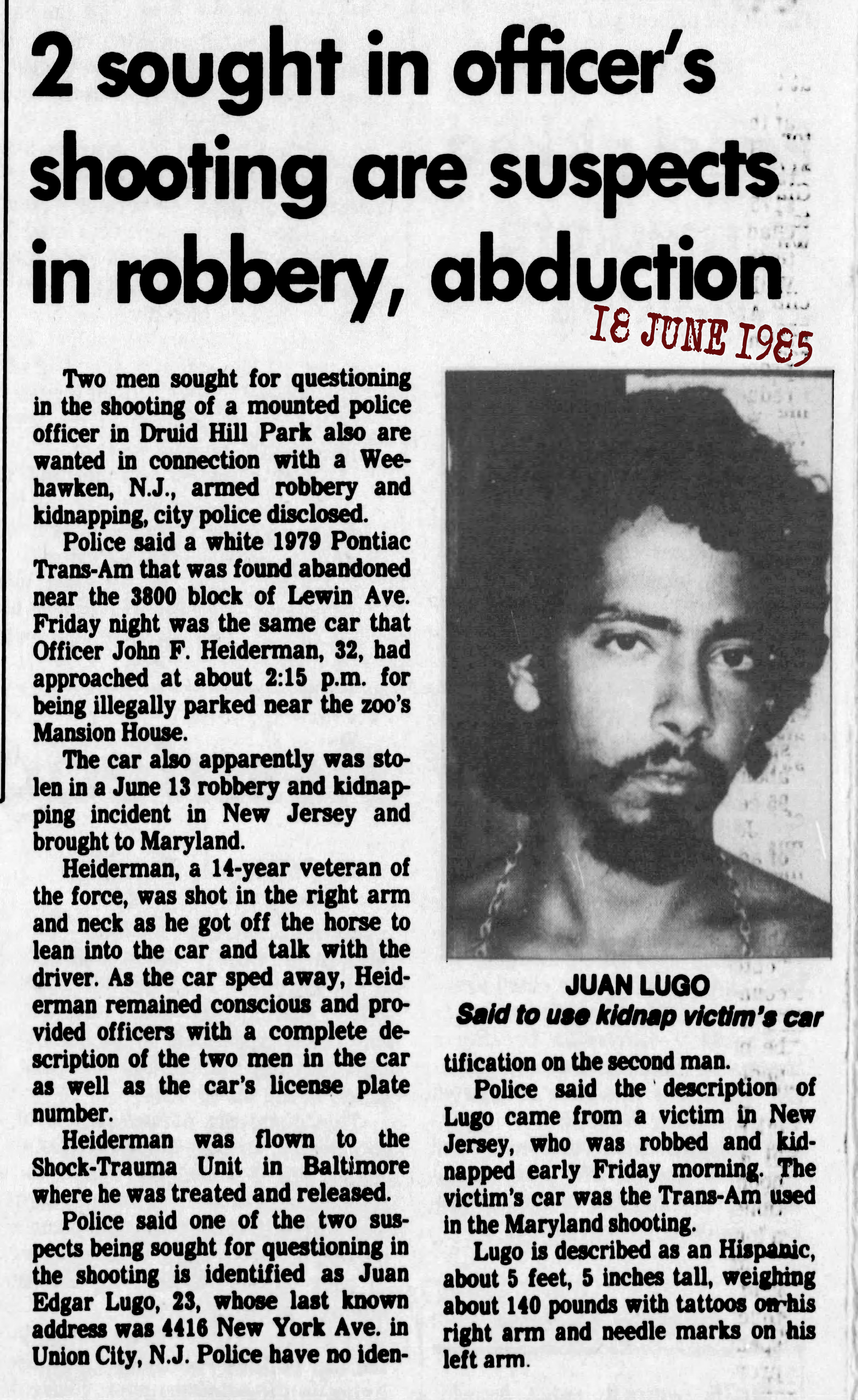
In the early evening, an alert citizen called the police to report that a car matching the description of the suspects’ car was seen in Northwest Baltimore on a parking lot. Foxtrot responded to the area and located the suspect’s car for searching ground units. It was learned that the car was taken in an armed robbery and kidnapping that had been committed in Weehawken, New Jersey, the day before. With the assistance of the Weehawken Police Department, the identity of one of the two persons involved in the offense was obtained. Still, both suspects remained at large.
Officer Heiderman was later released from the hospital with a bullet still lodged in his upper chest. It will be determined at a later date if the round in his chest will be removed. Recovery is expected to be full and complete. “Tony”, Officer Heiderman’s horse, was also shot by one of the suspect’s bullets. The bullet remains lodged in the horse’s right hip, and will not require removal unless the horse begins to show signs of discomfort.
Wanted in this incident is, Juan Lugo, DOB 6 April 1962 is one of two Hispanic men sought for questioning in connection with the wounding of Baltimore Police Officer John Heiderman, and his Partner “Tony”. The Incident occurred on 14 June 1985, in Druid Hill Park, Central complaint number 85-5F-31855. He is also wanted in Weehawken, New Jersey for armed robbery, and kidnapping that occurred on 13 June 1985. Suspect Juan Lugo, 6 April 1962, has a last known address in Union City, New Jersey, he stands 5’5” and is approx. 140 pounds with tattoos on the upper and lower right arm. He also has track/needle marks on his left arm. As Lugo is believed to be in possession of a 32 caliber handgun, he was to be considered armed and dangerous.
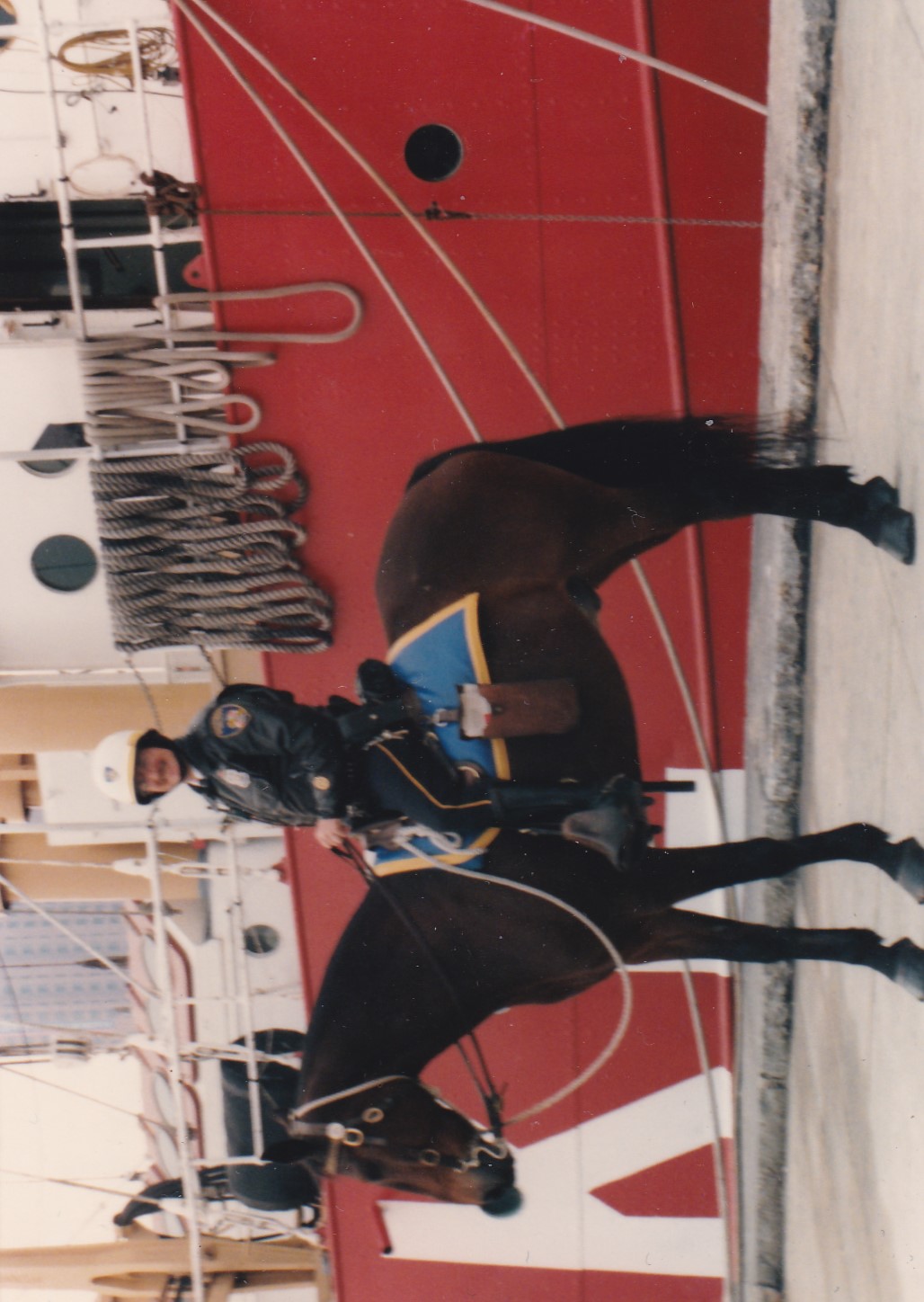
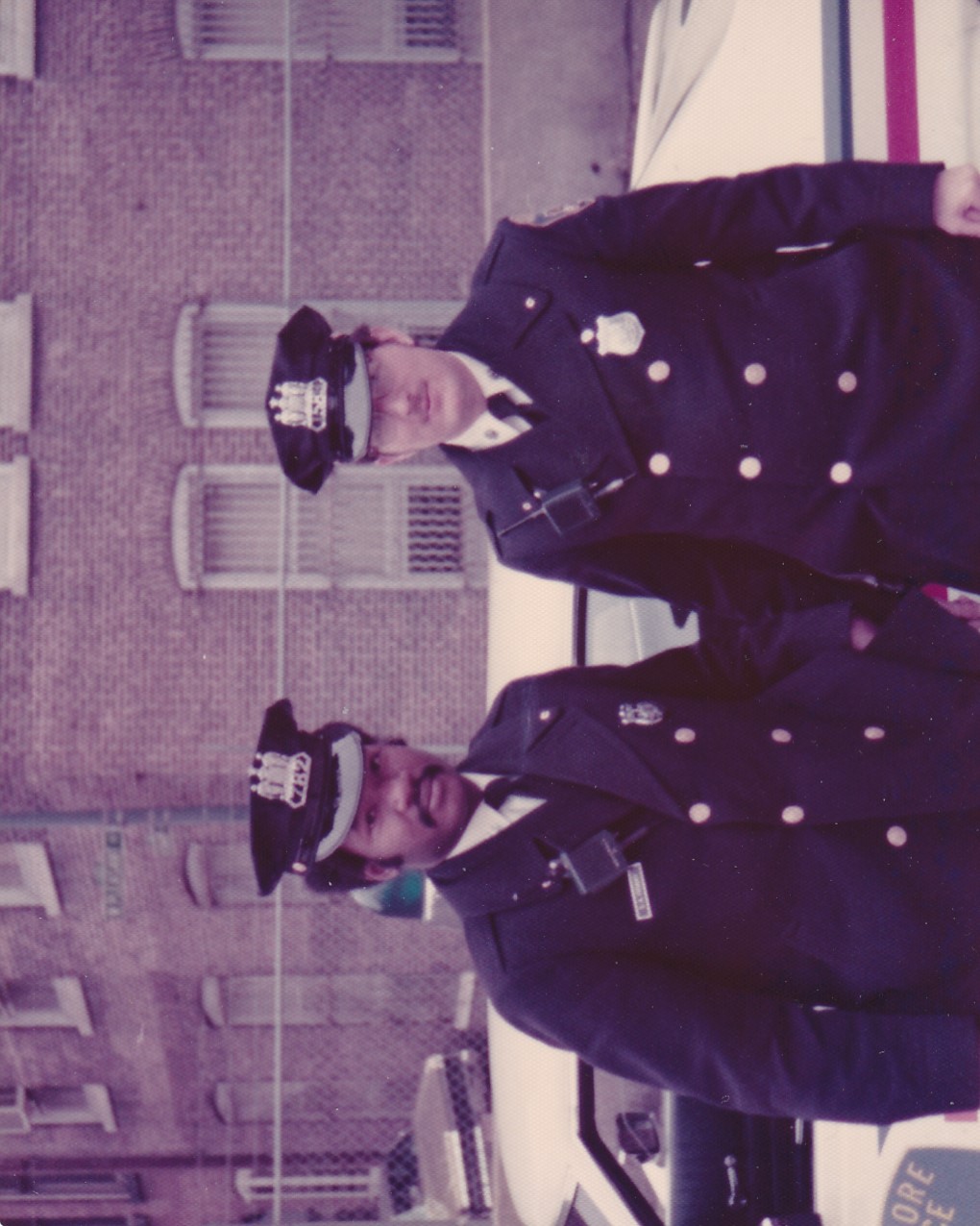
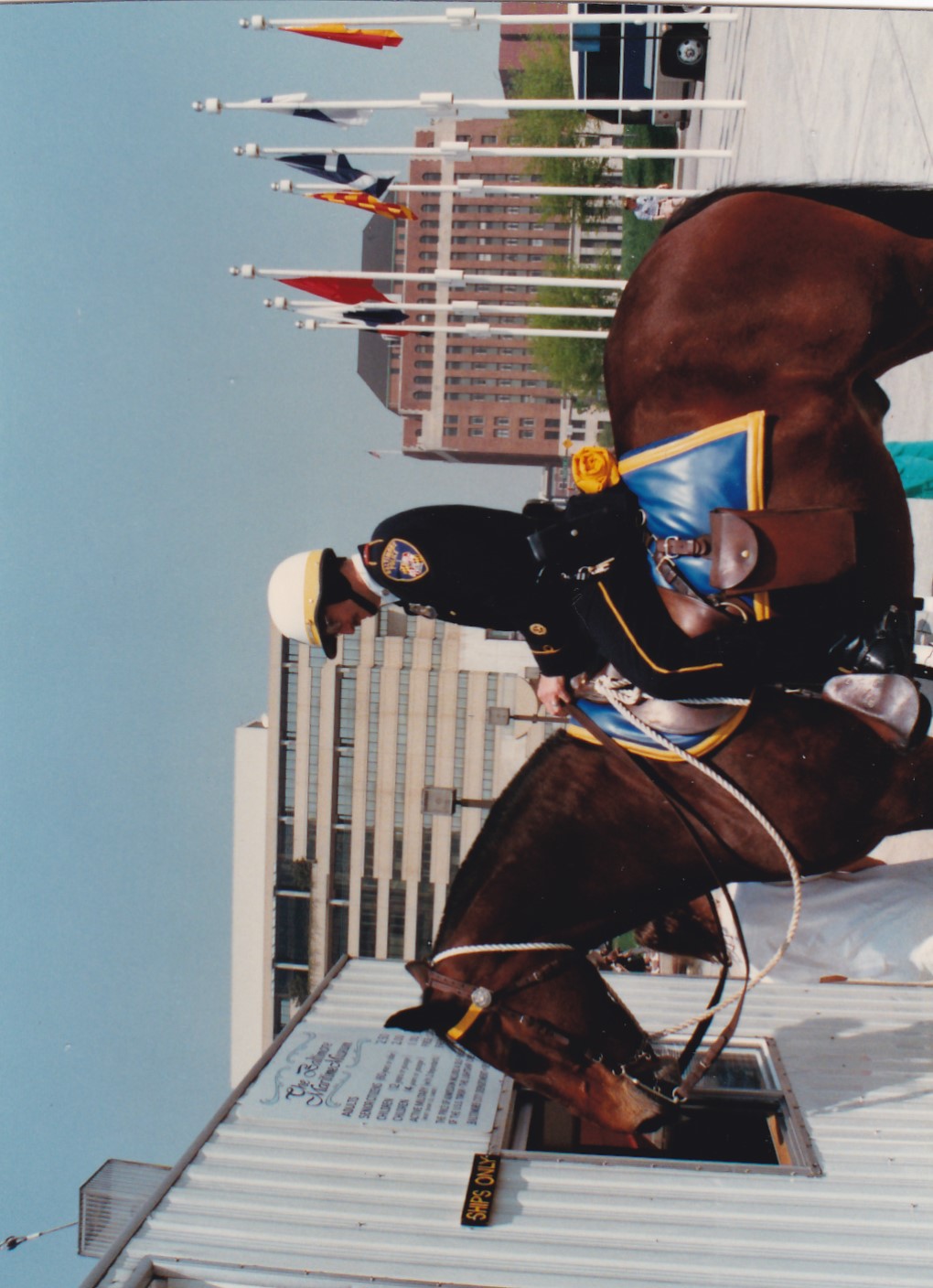
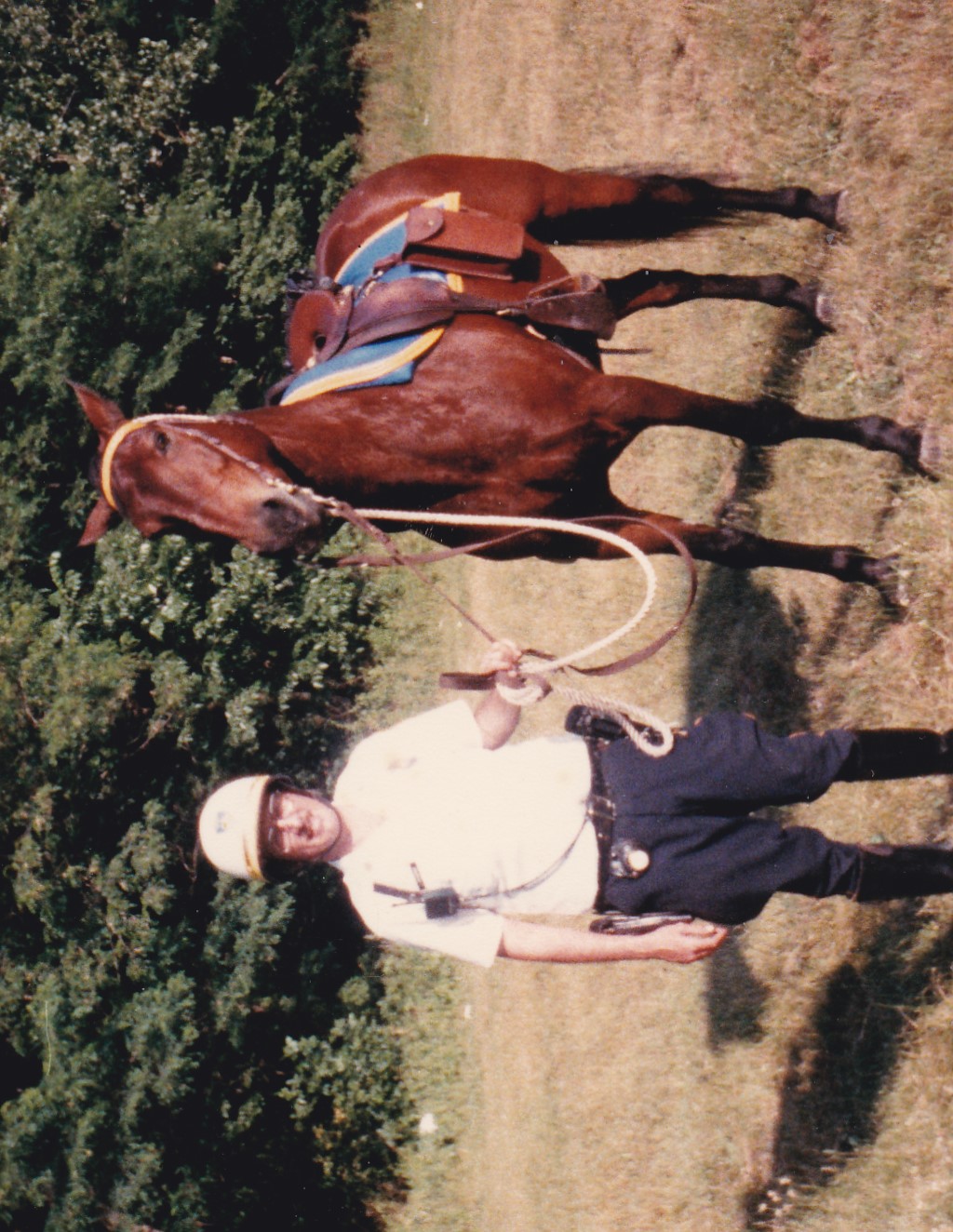
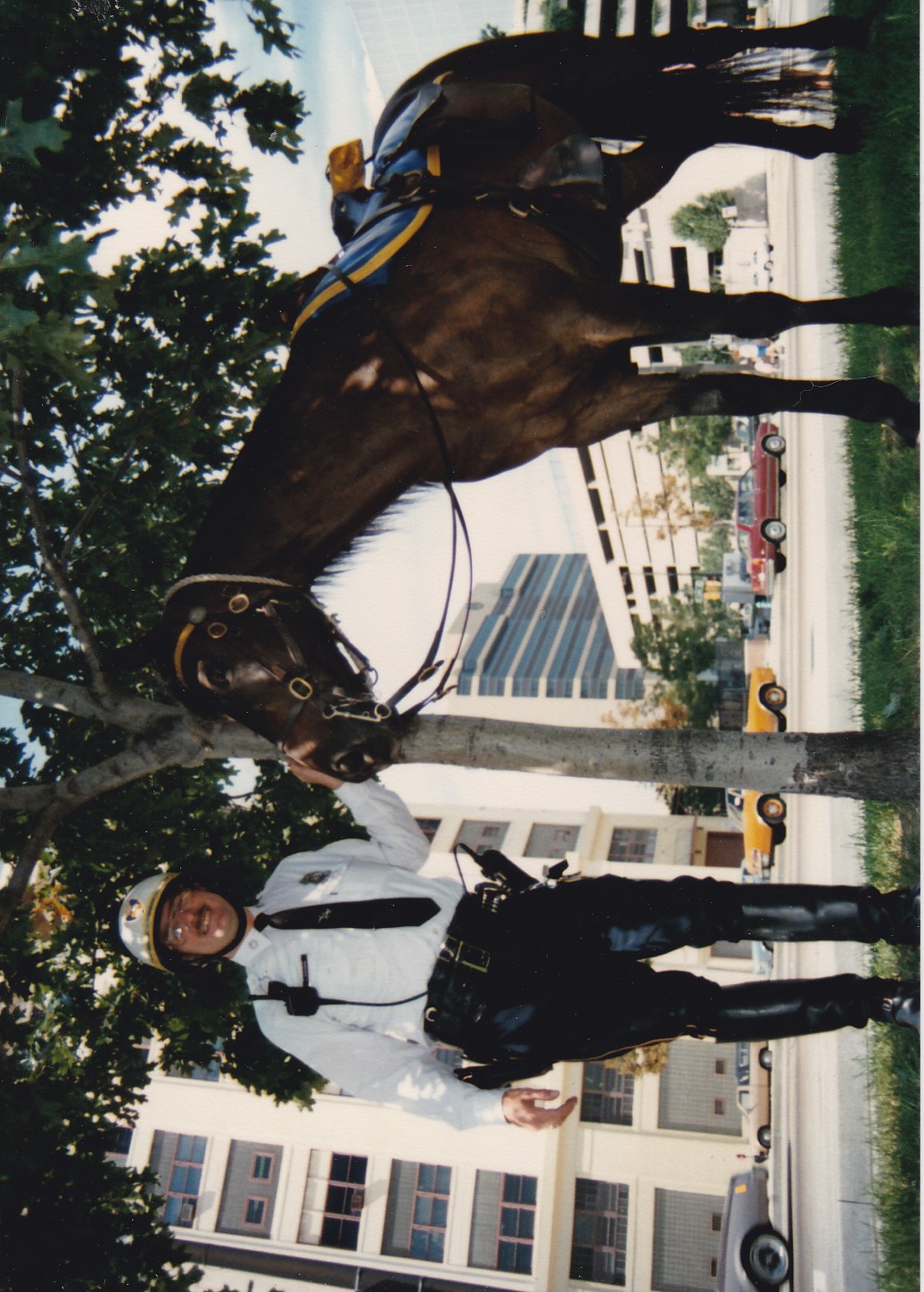
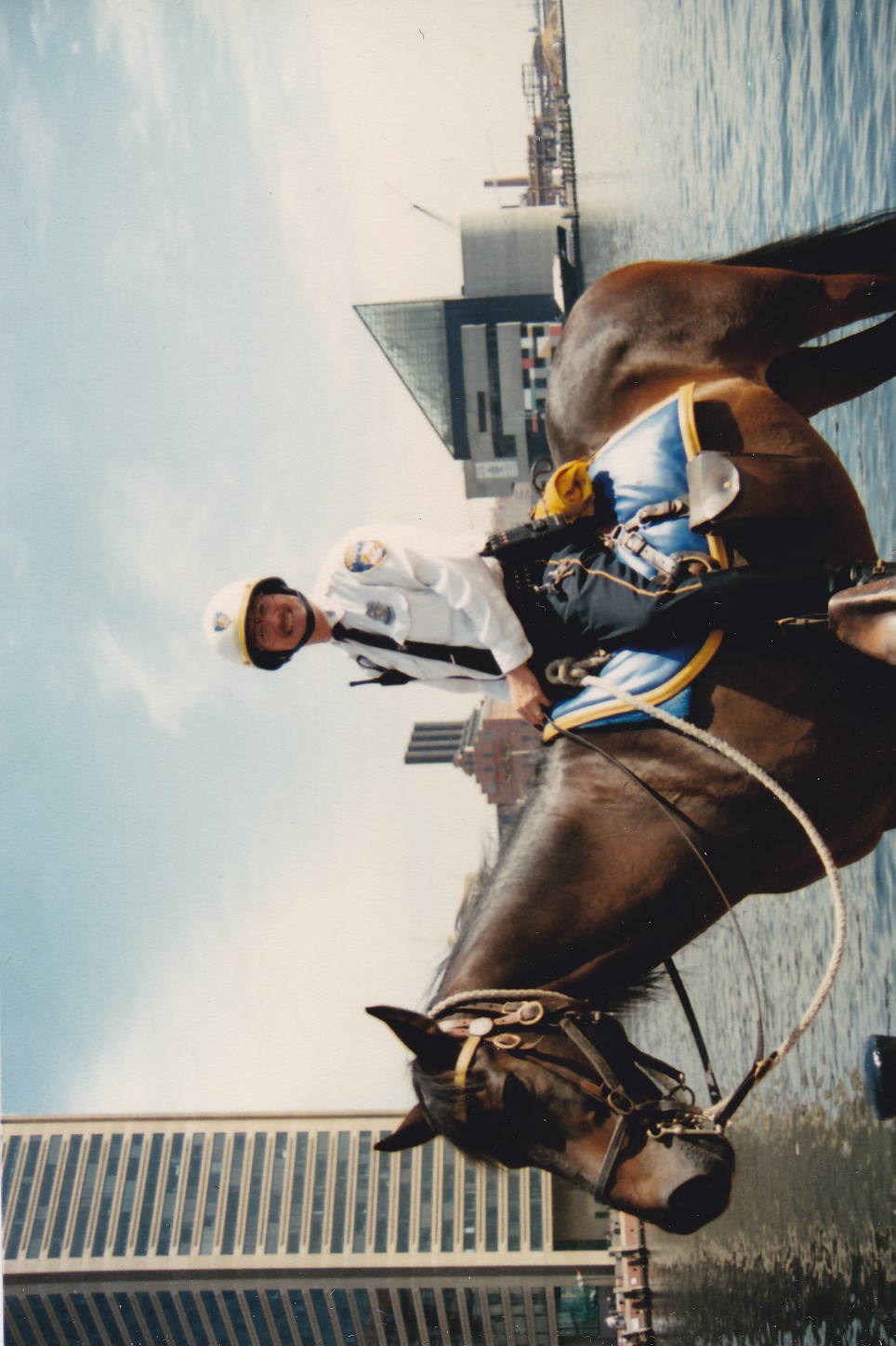
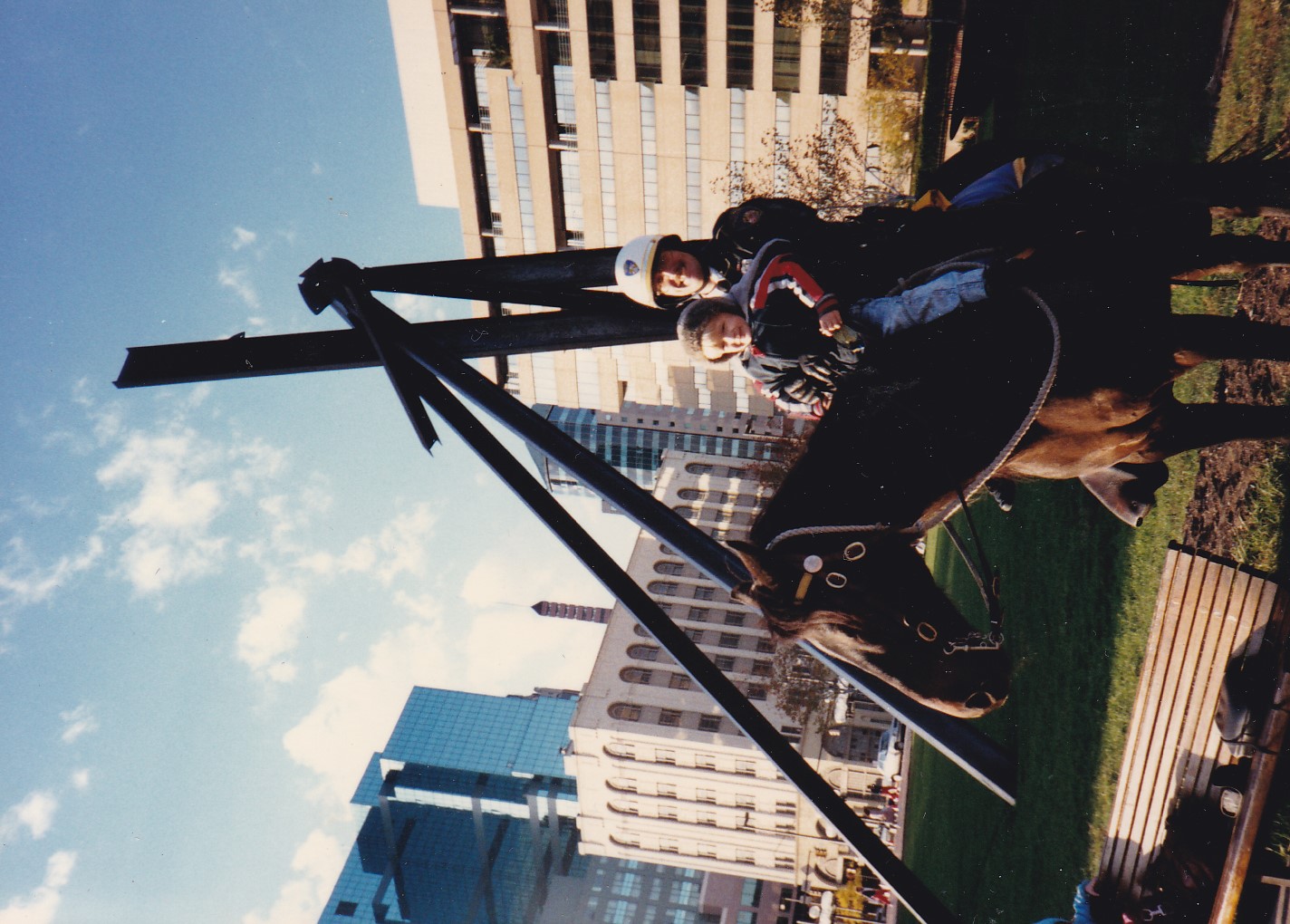
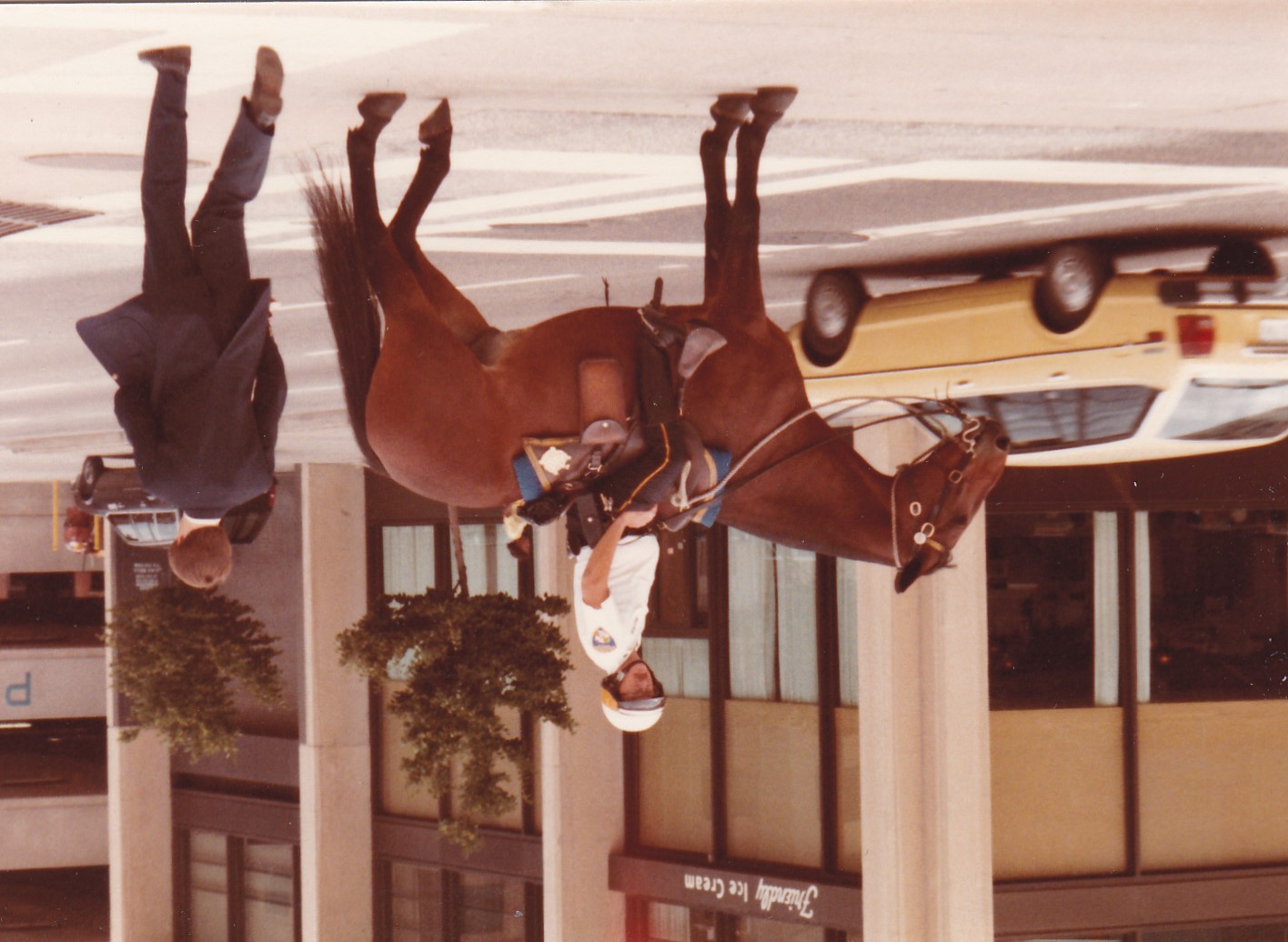
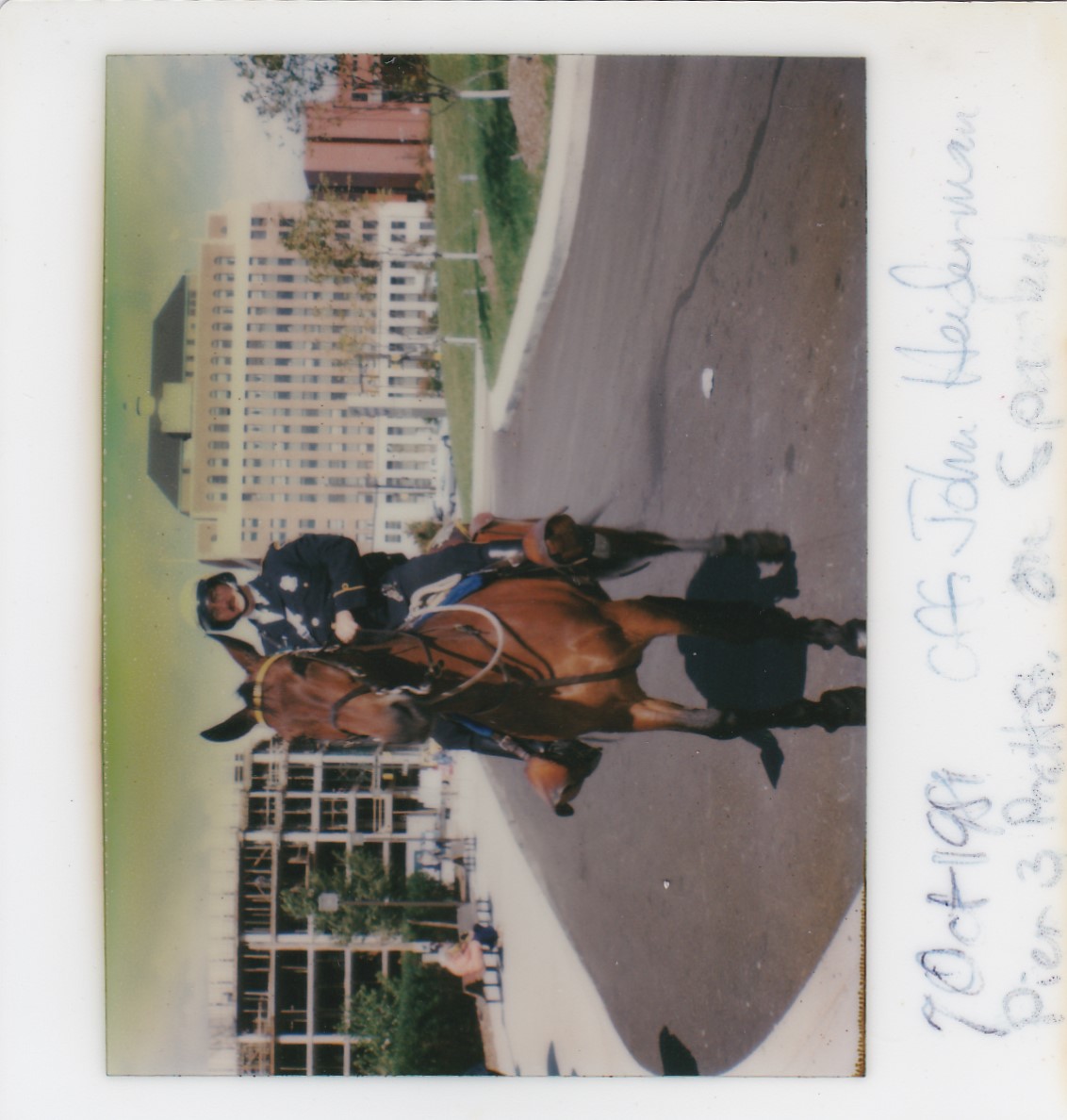
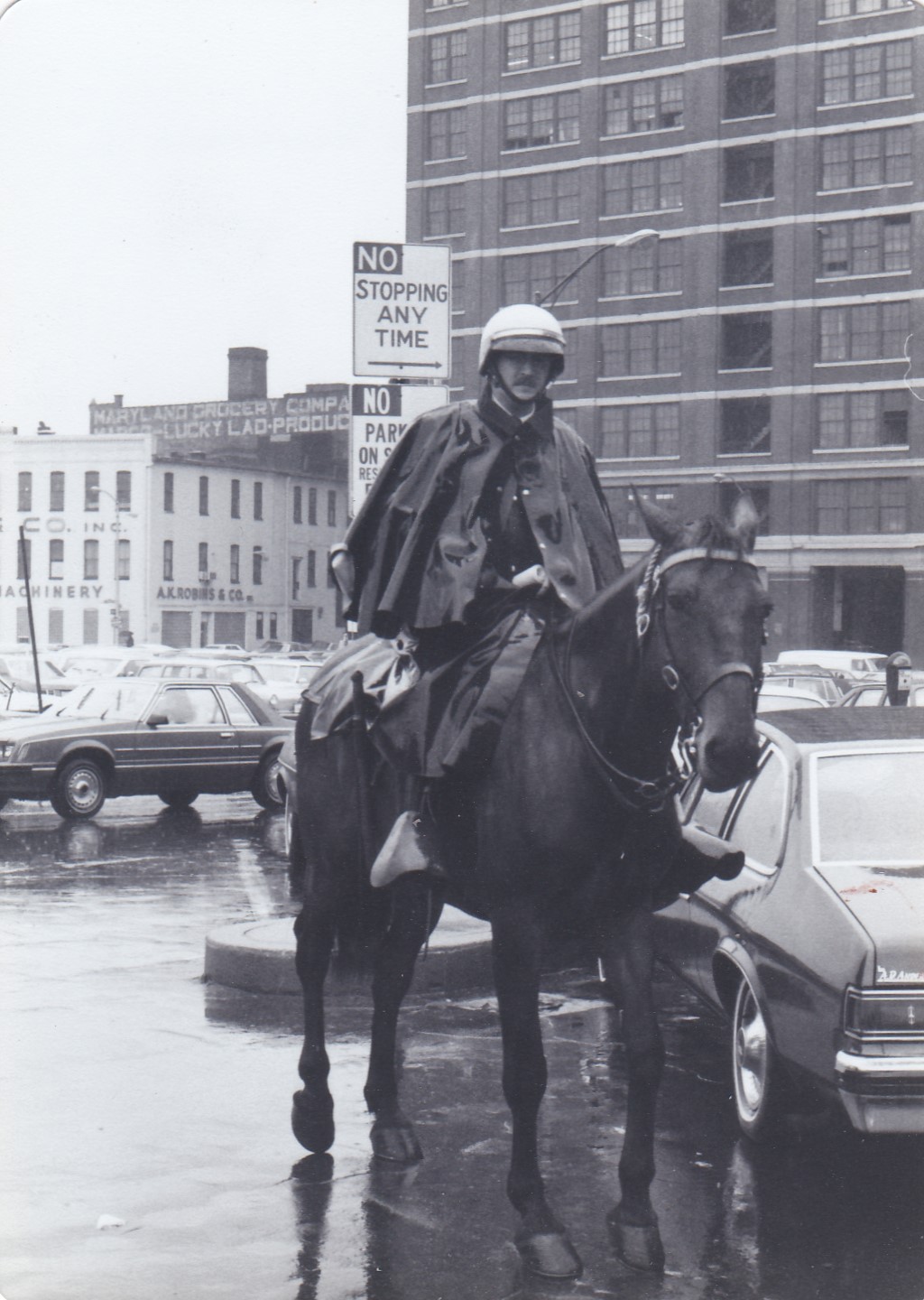
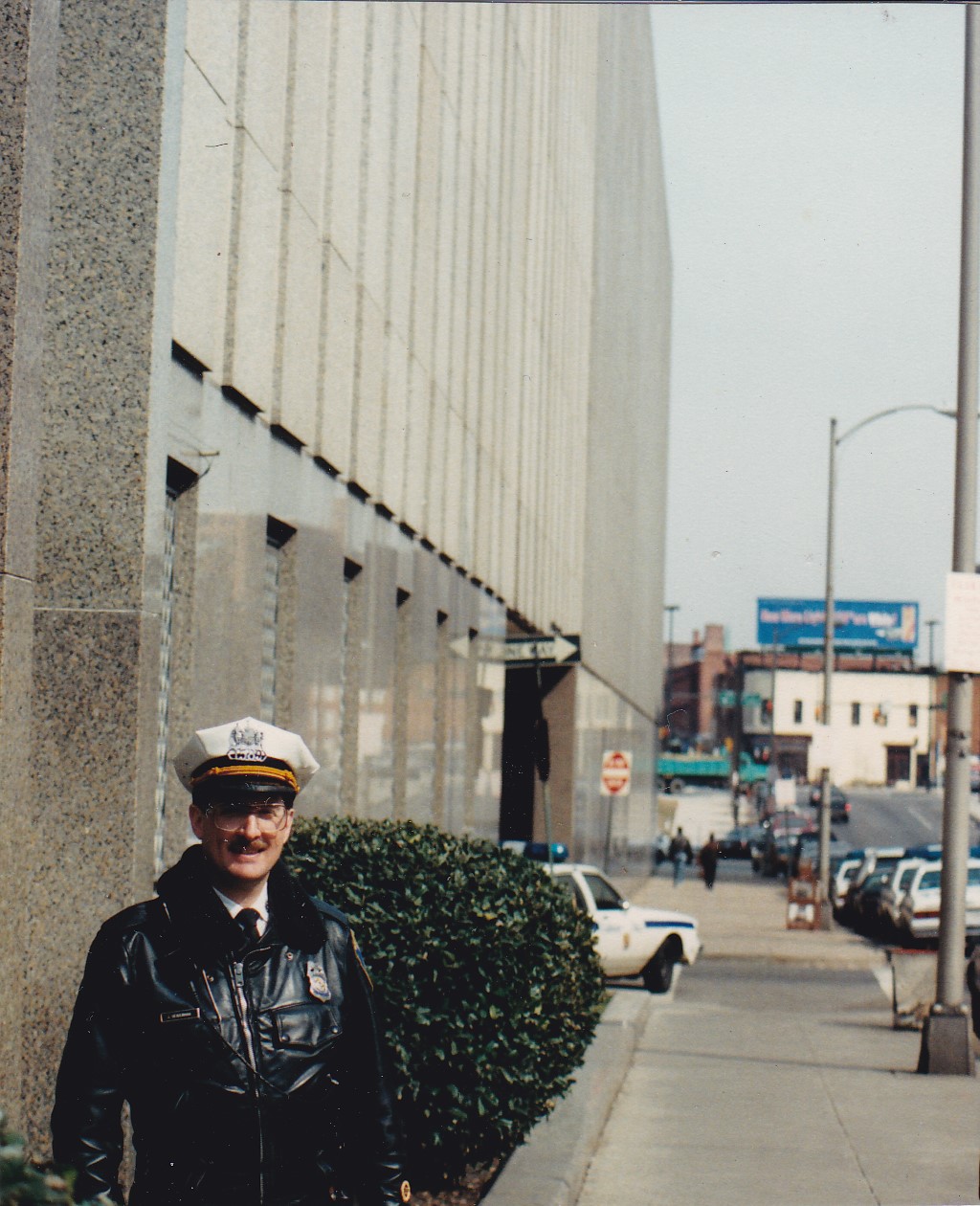
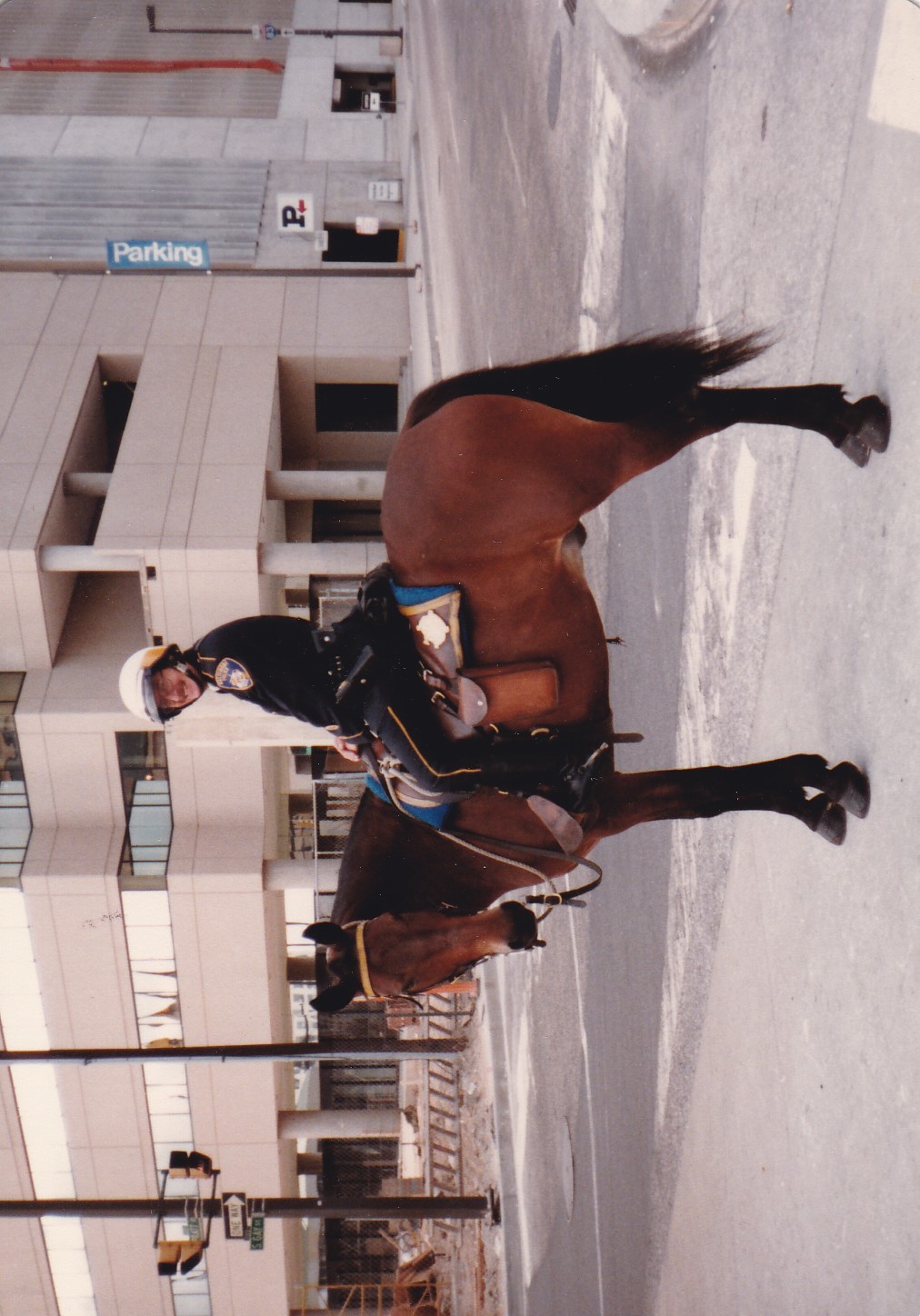
Aside from the various items John had, he also had boxes on boxes of photographs, this is just a small sampling of some of the shots John had
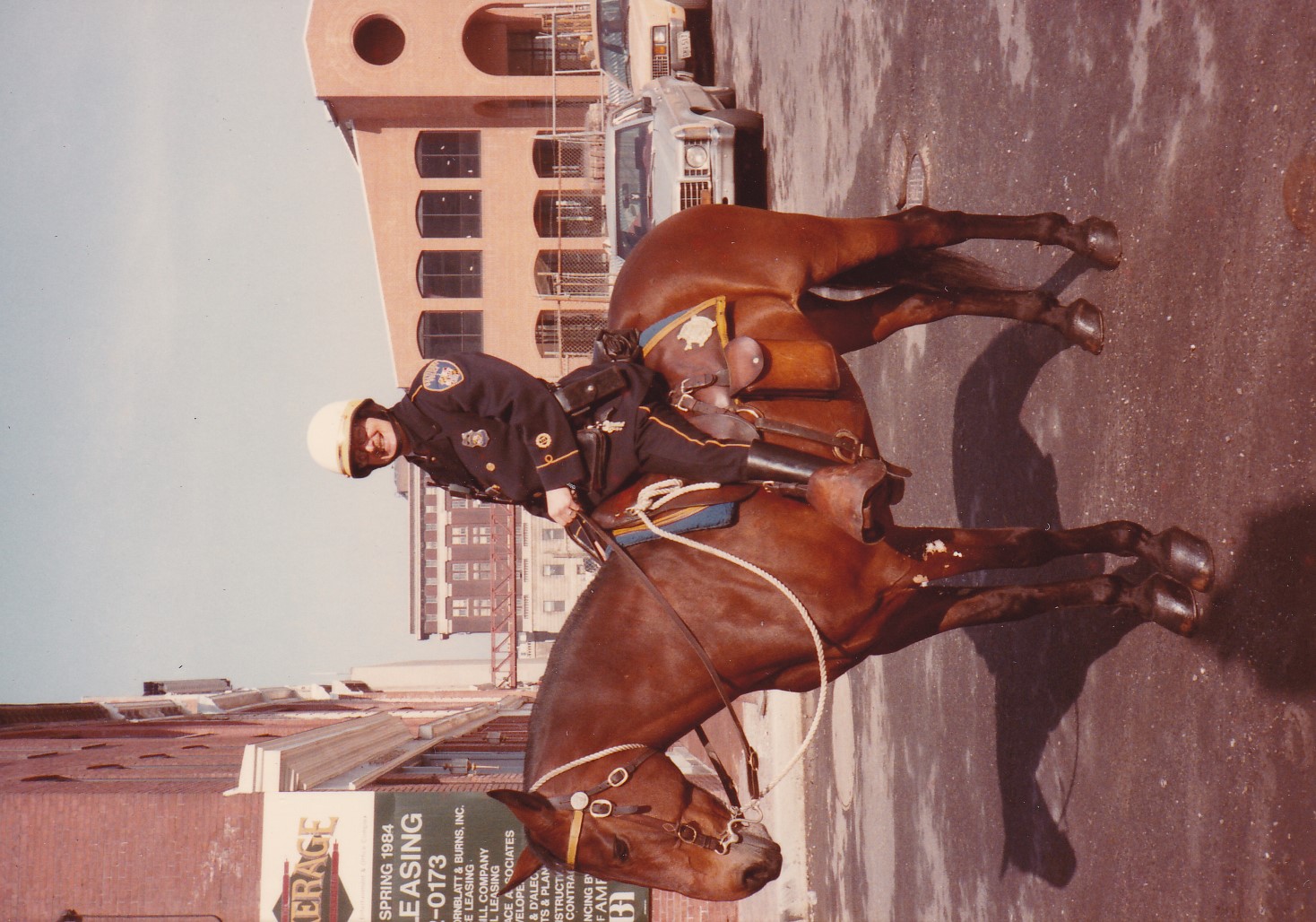
Retired Officer John Heiderman
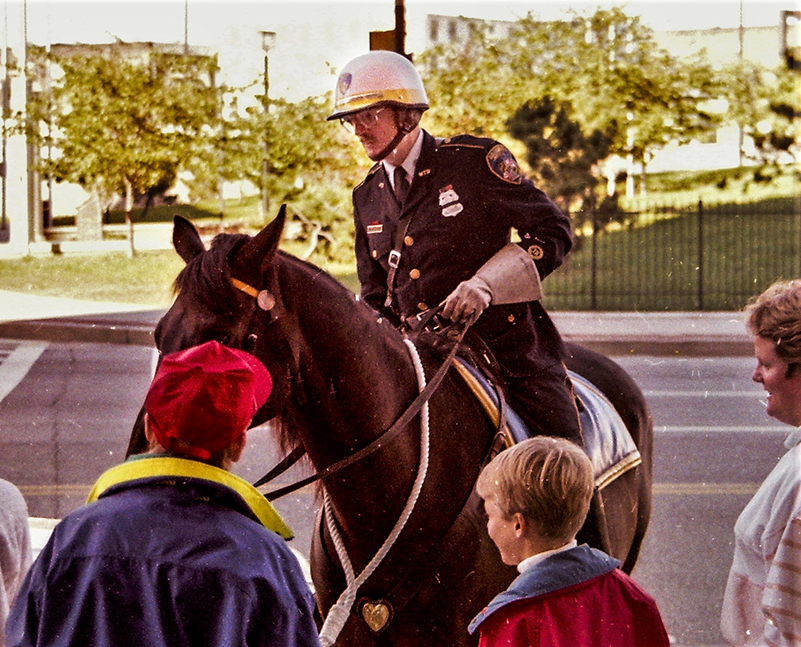
Courtesy Howard Smith
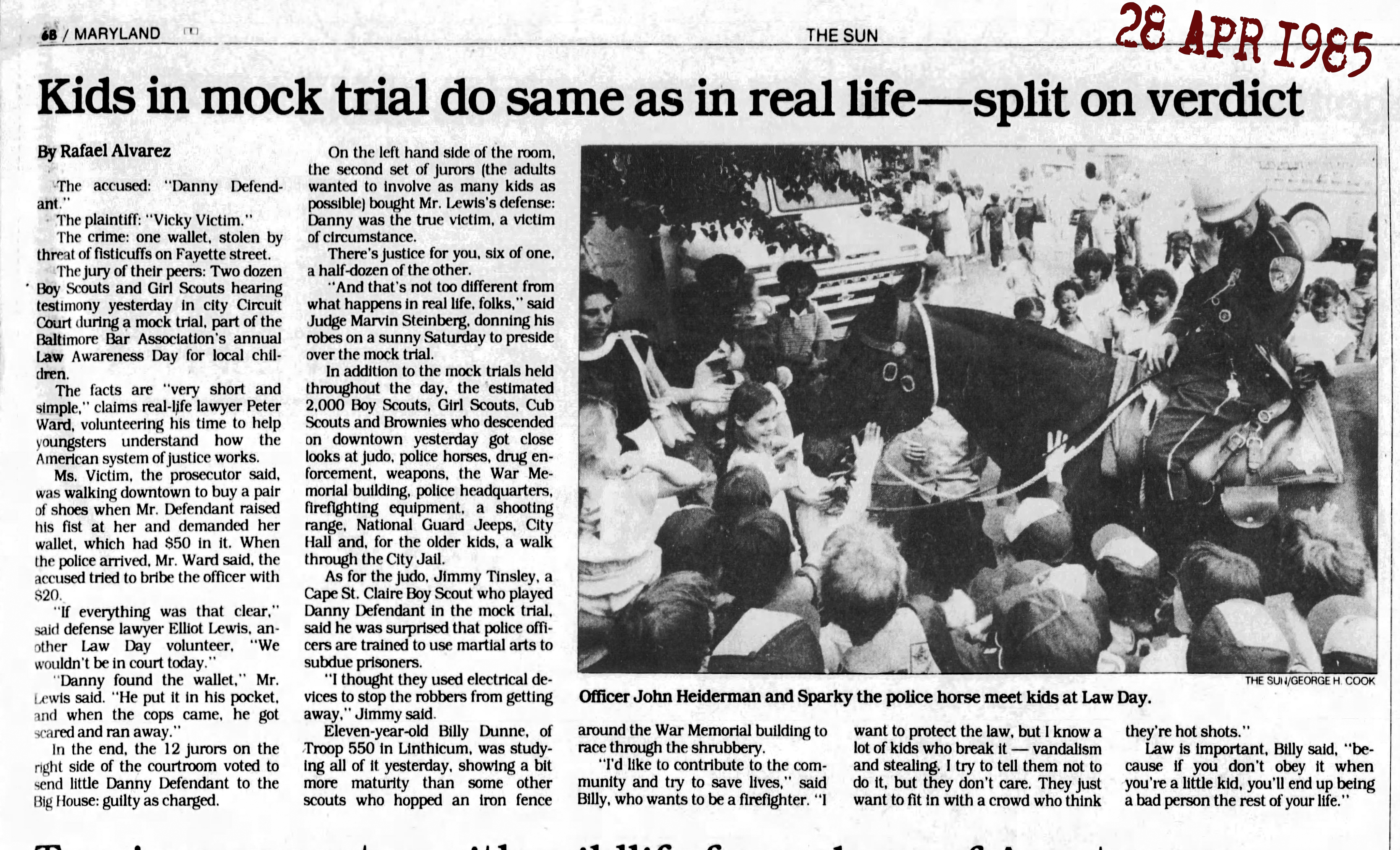
P/O John Heiderman on Sparky
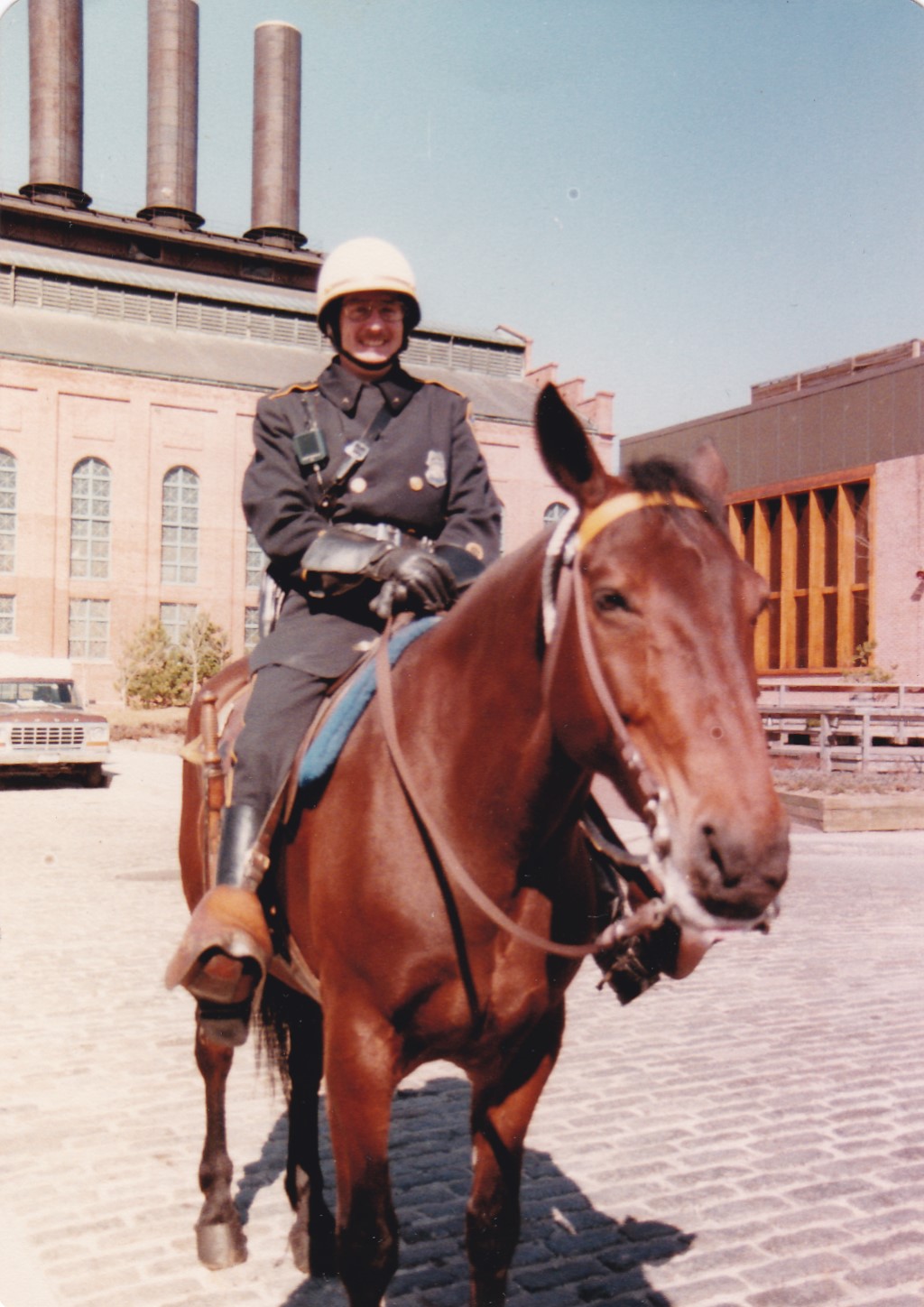
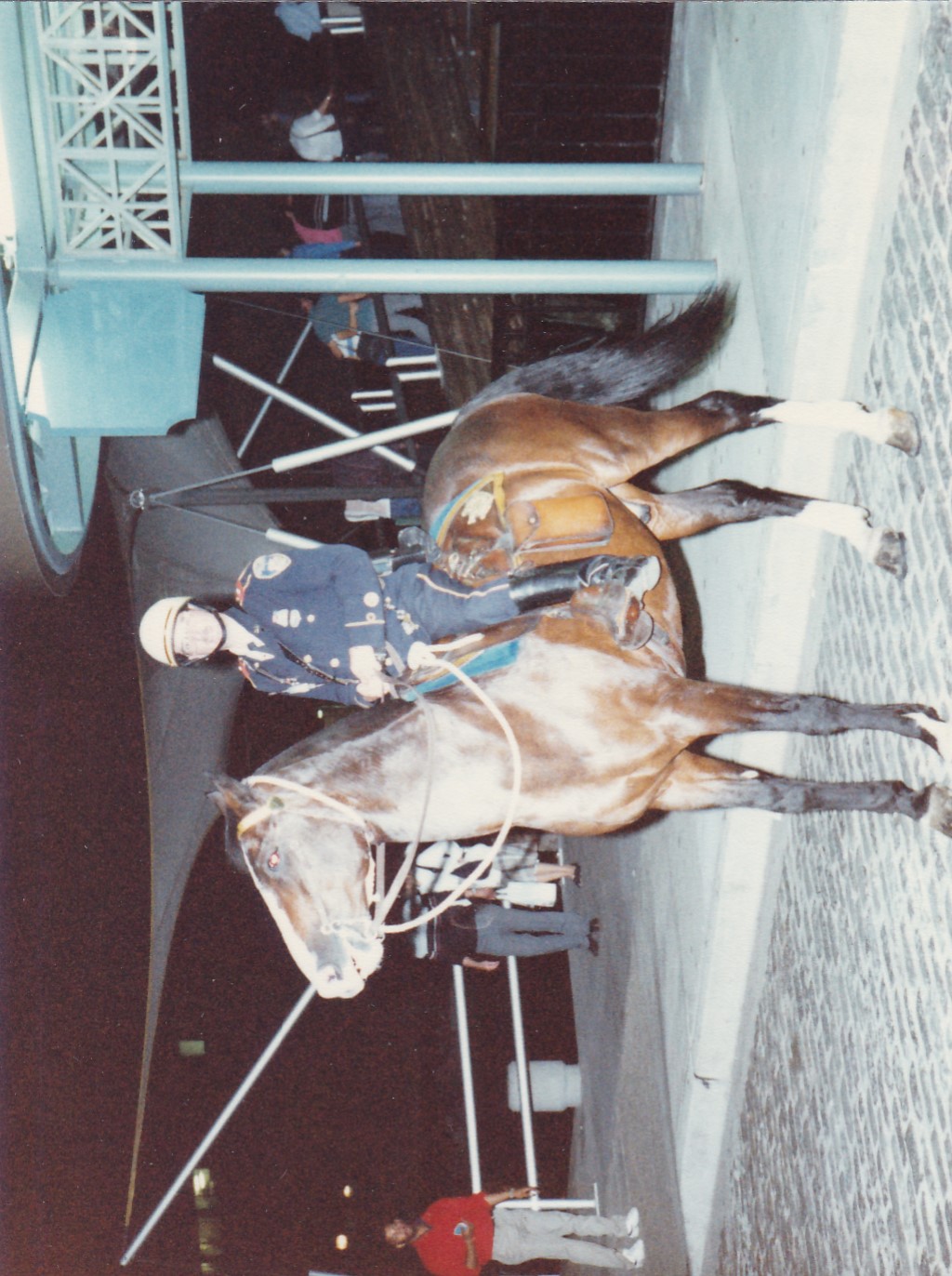
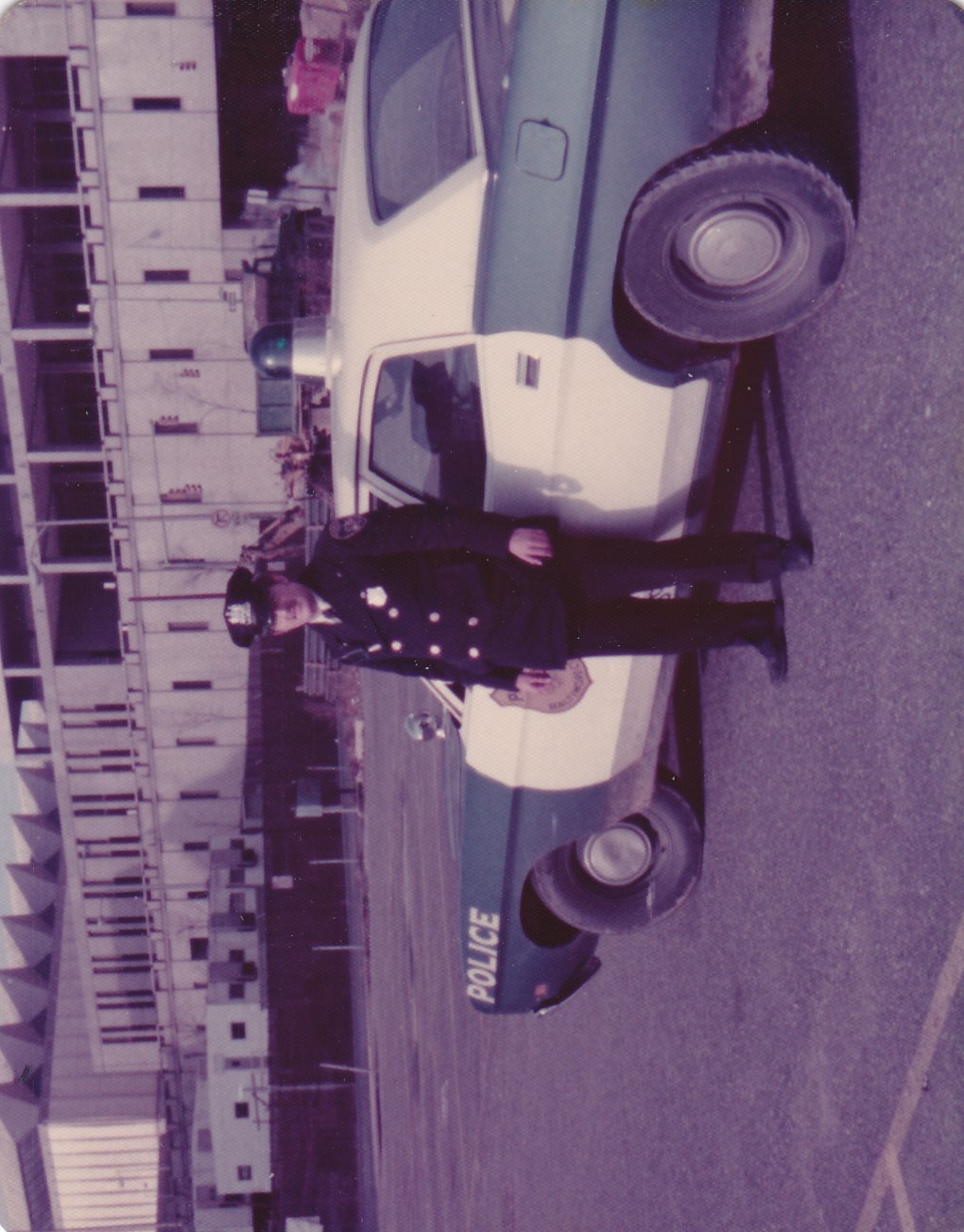
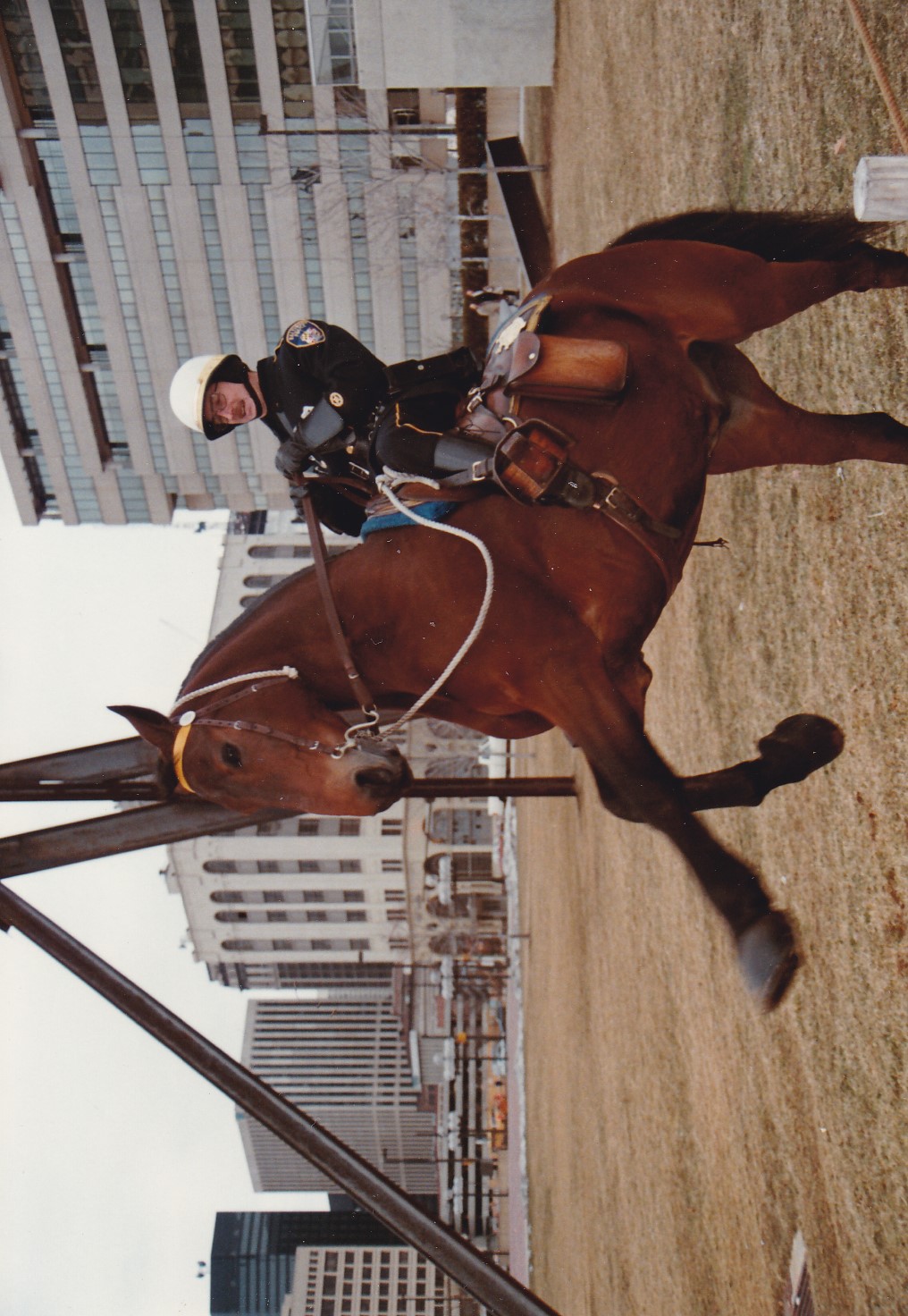
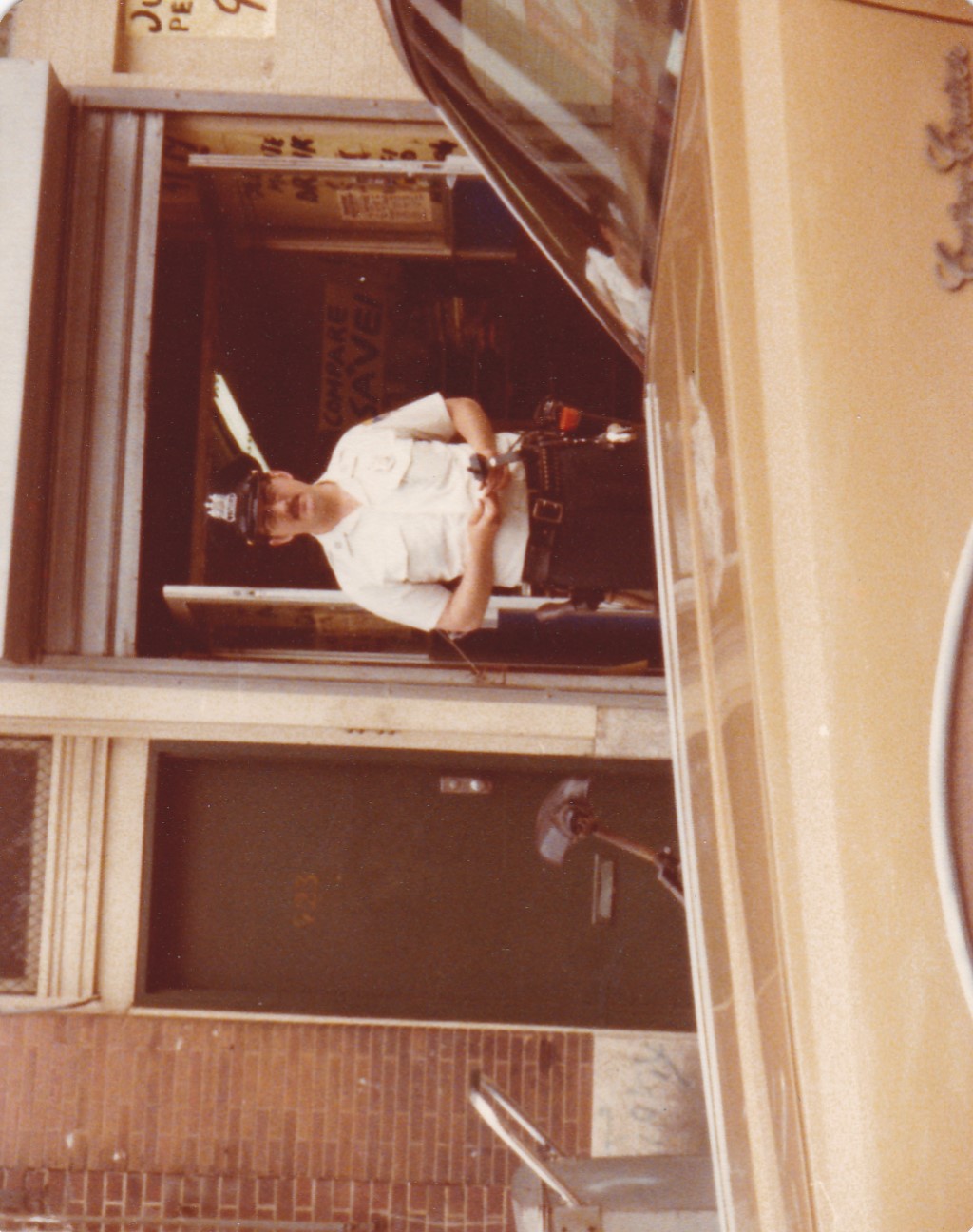
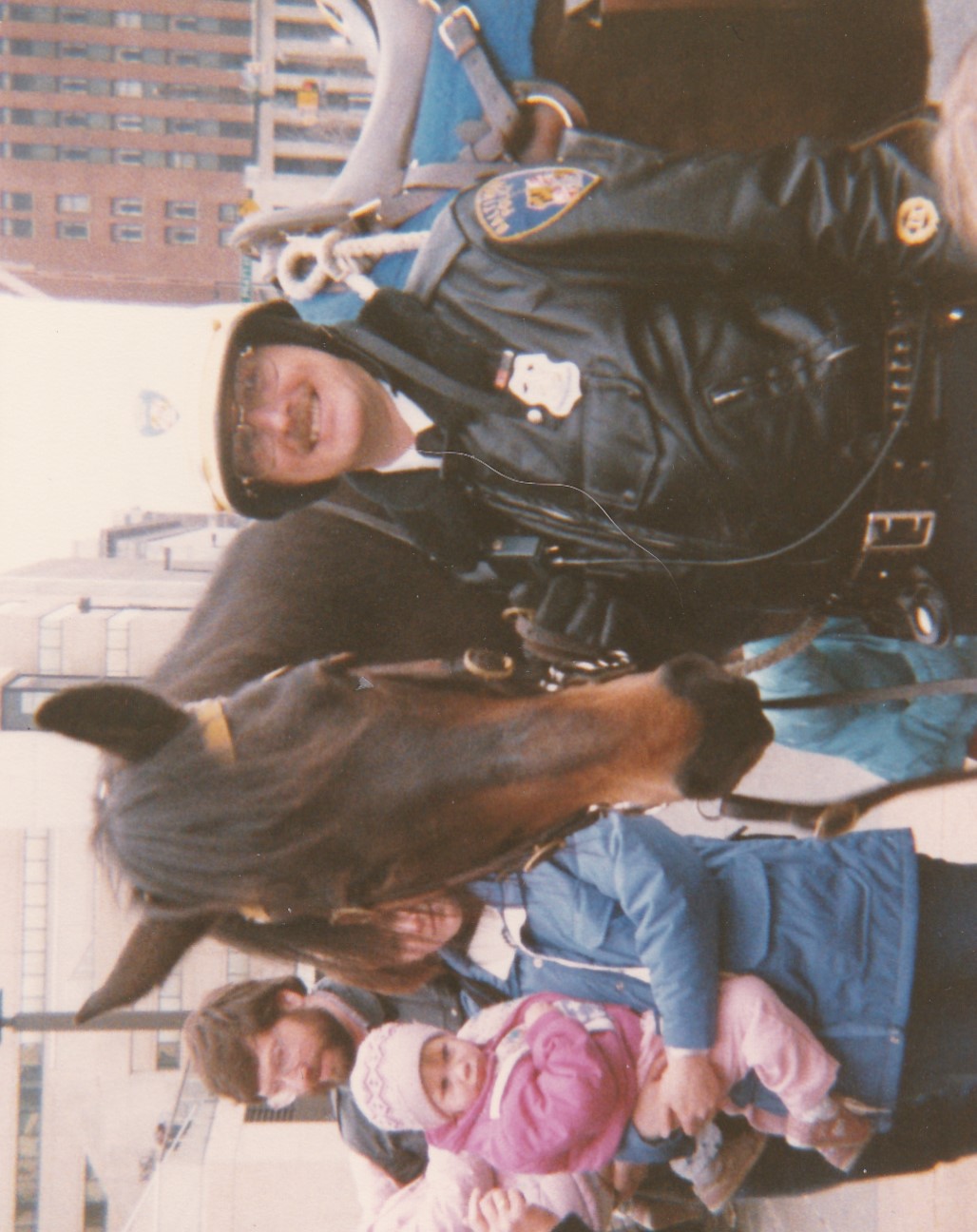
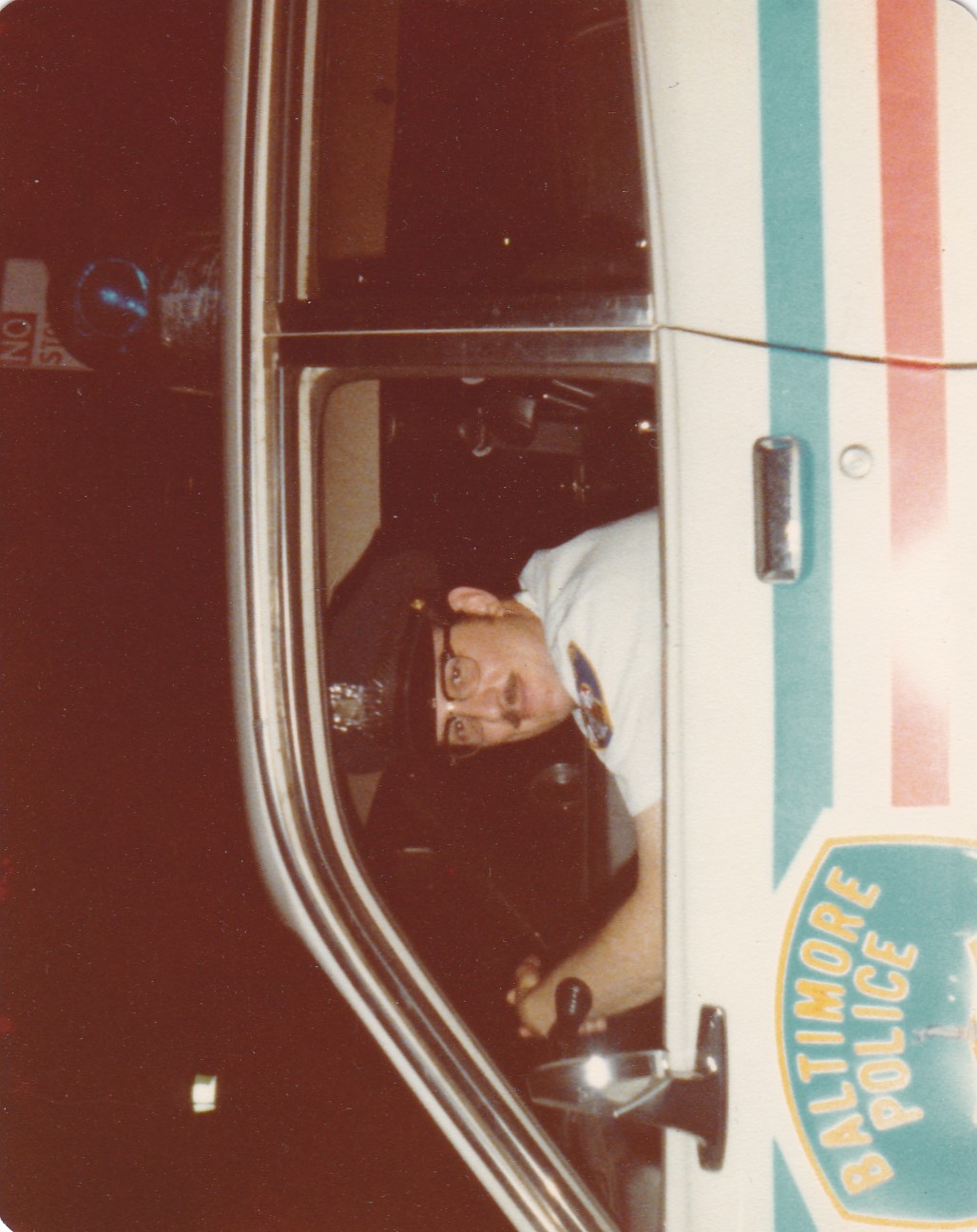
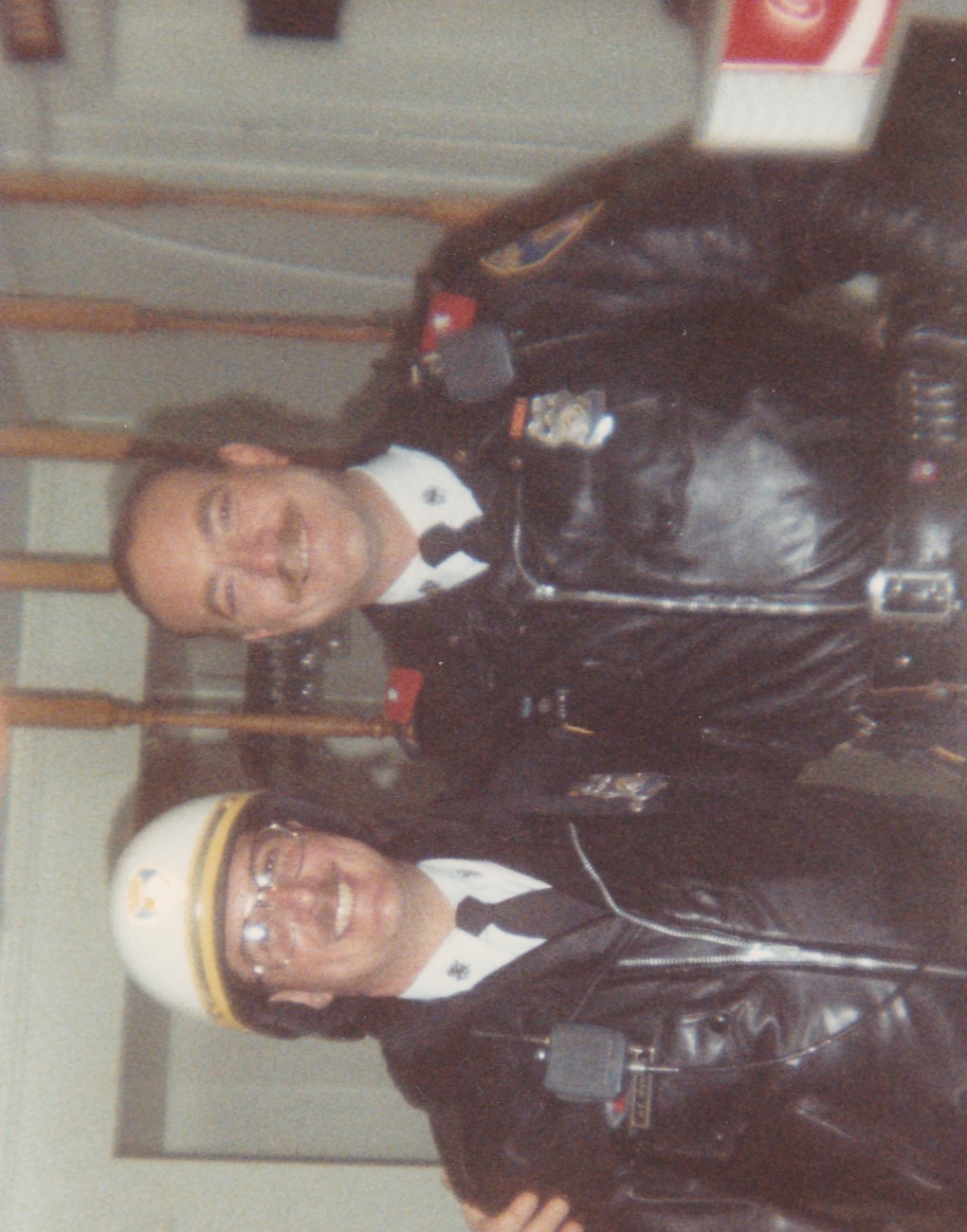
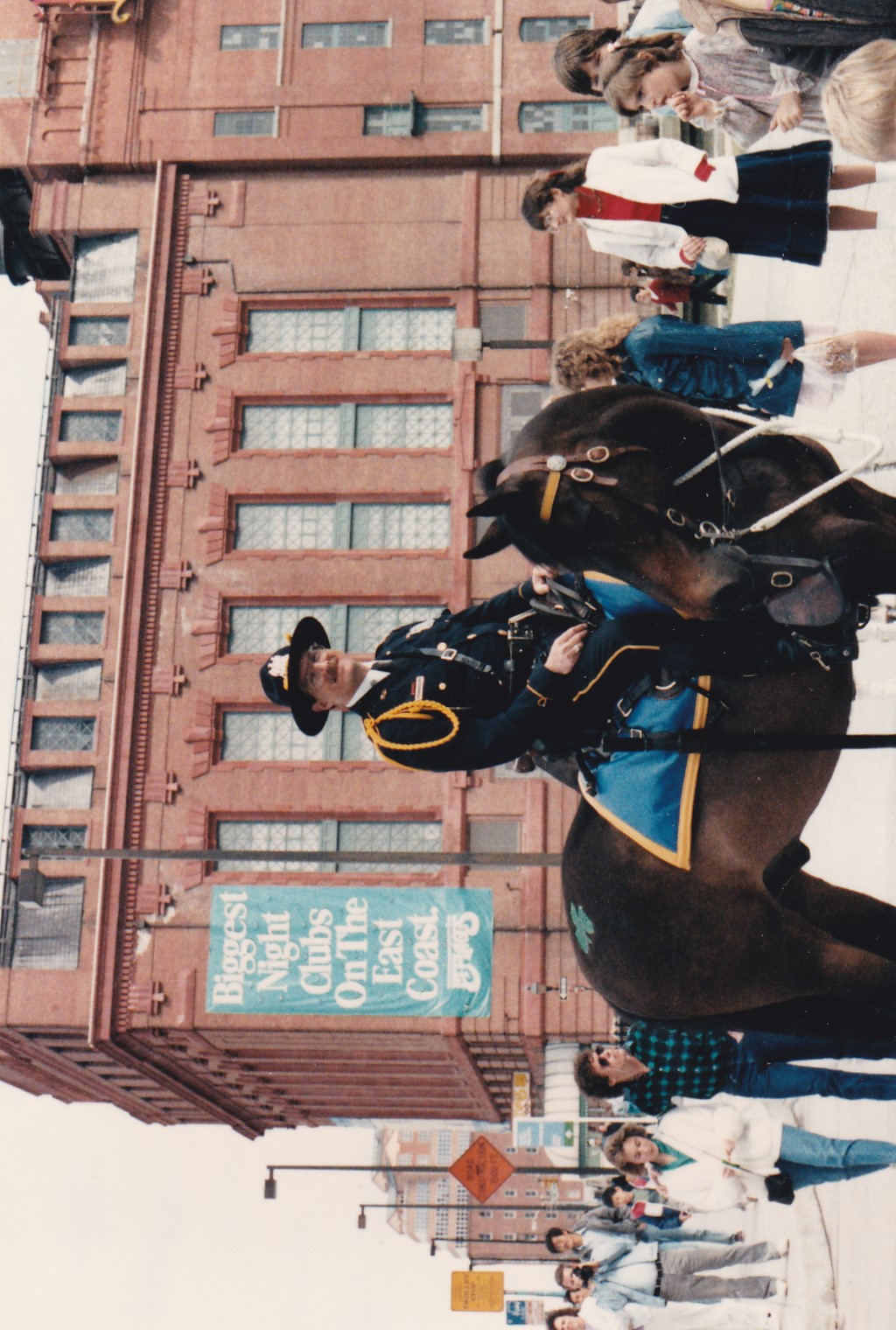
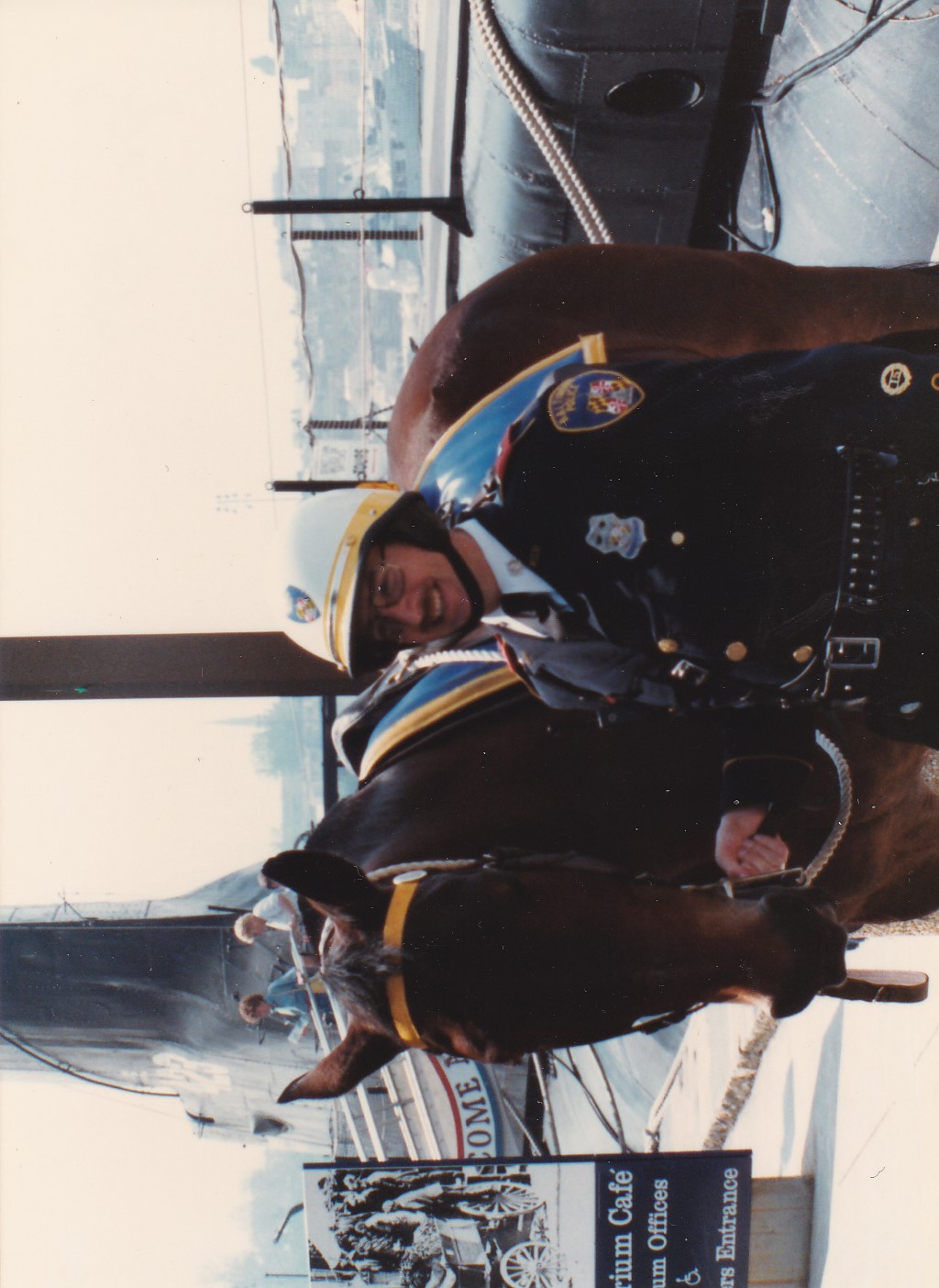
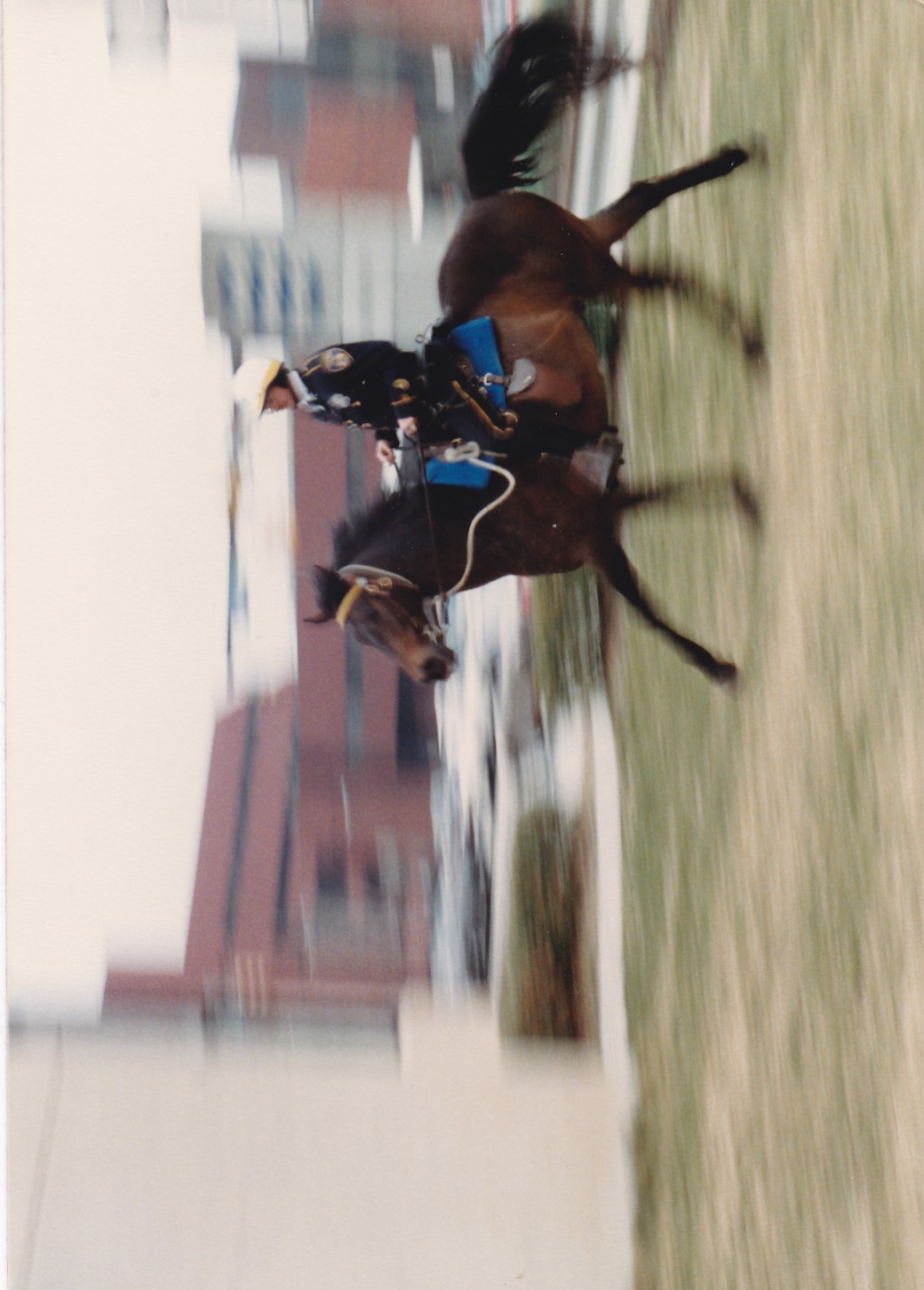
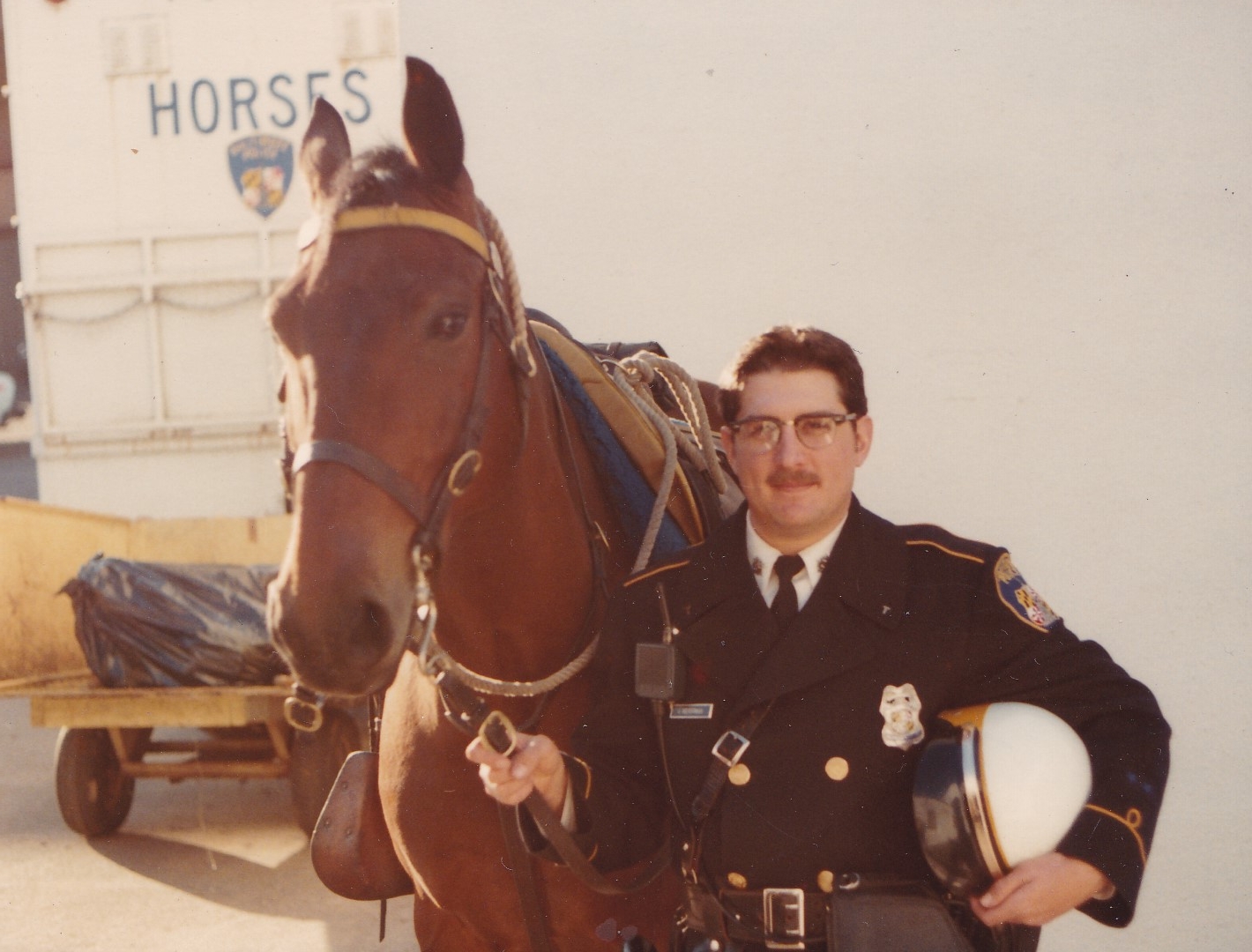
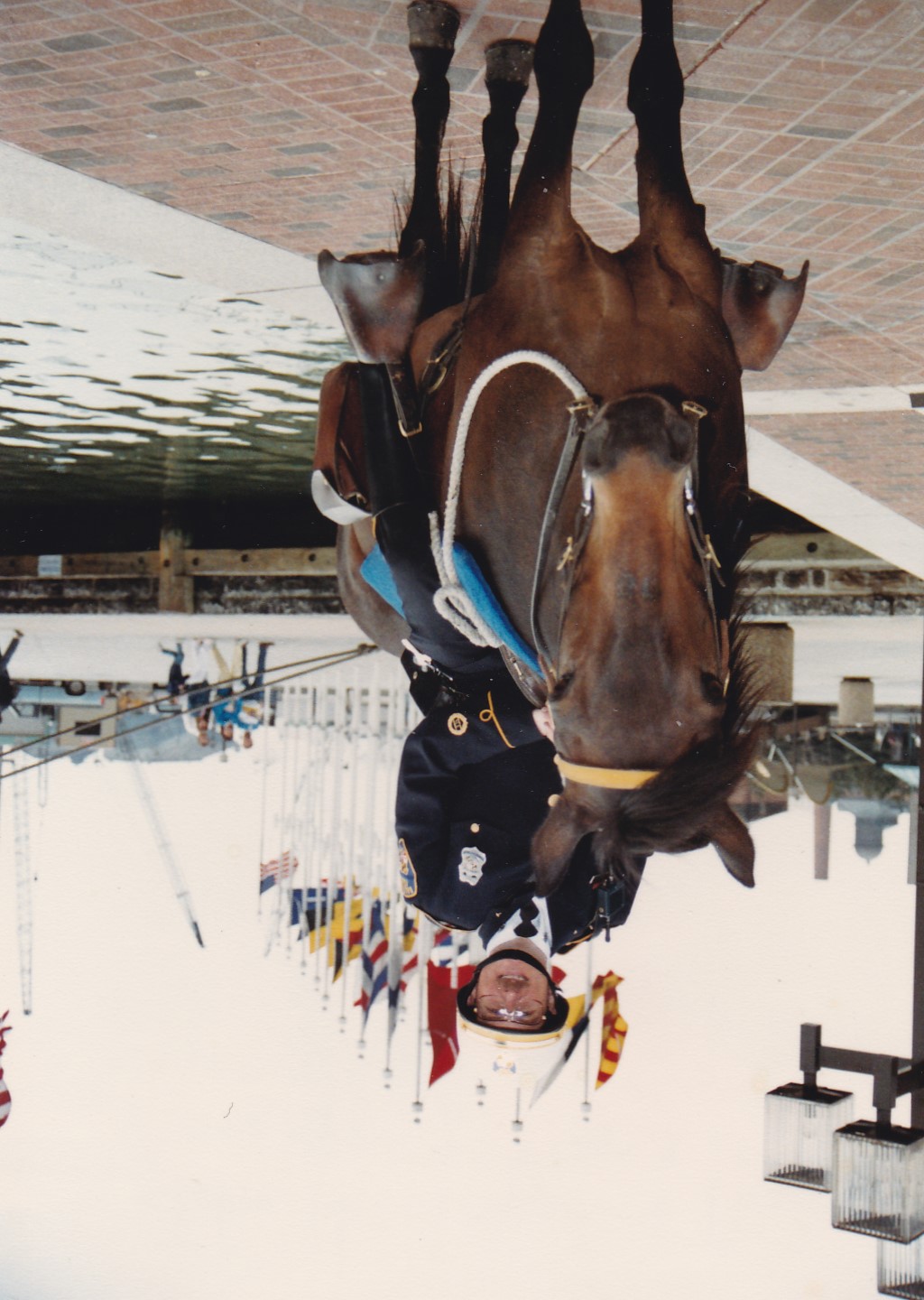
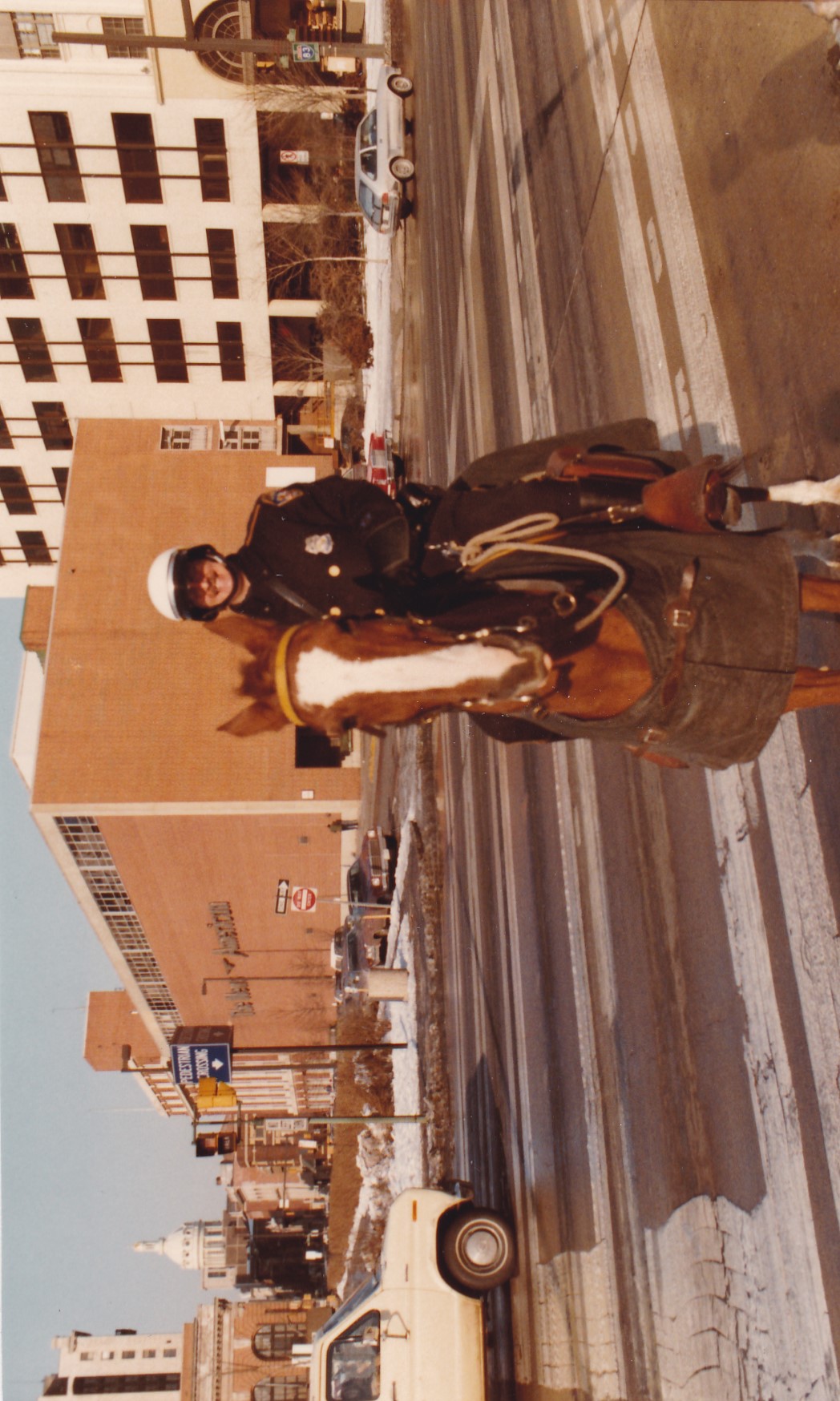
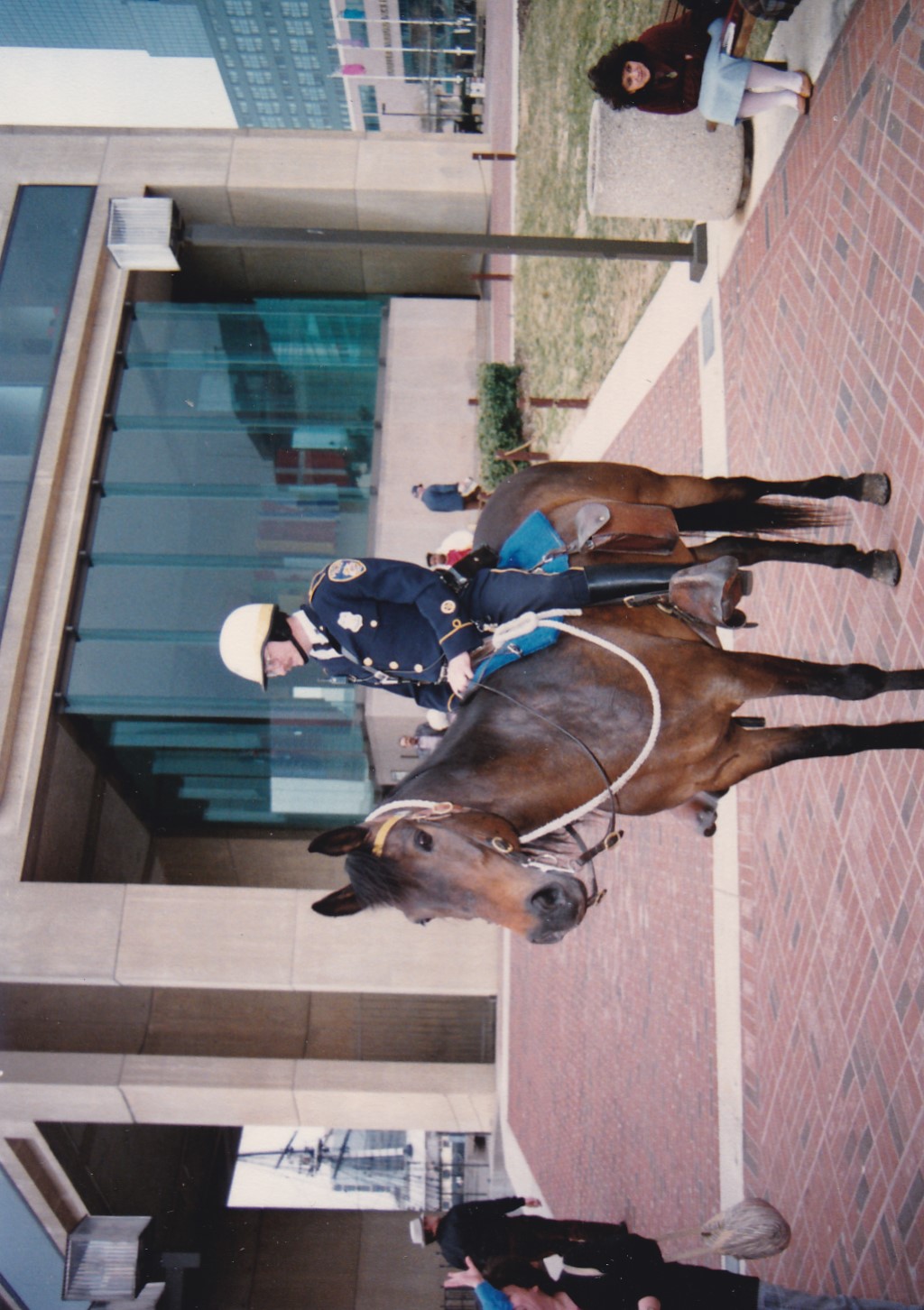
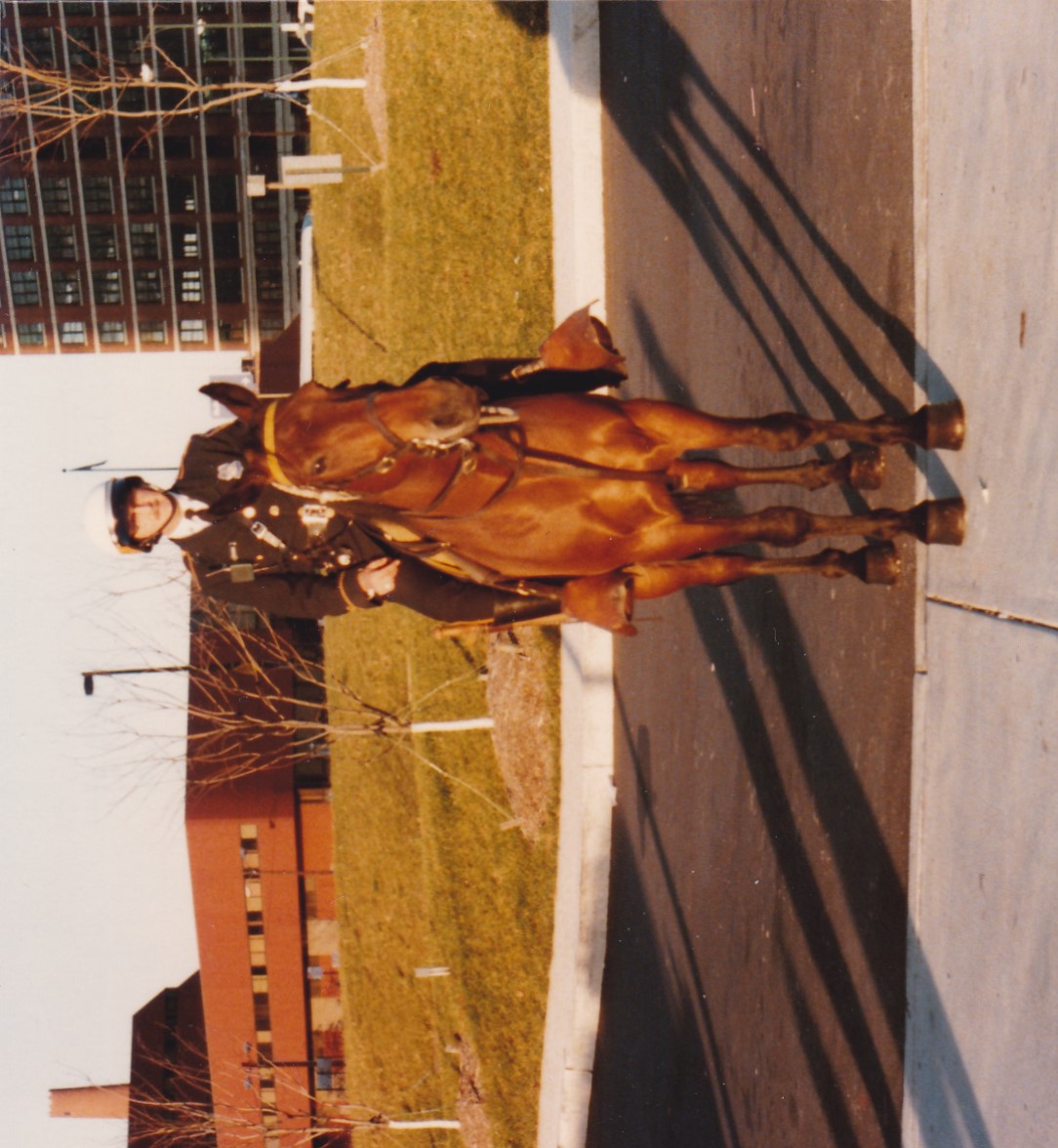
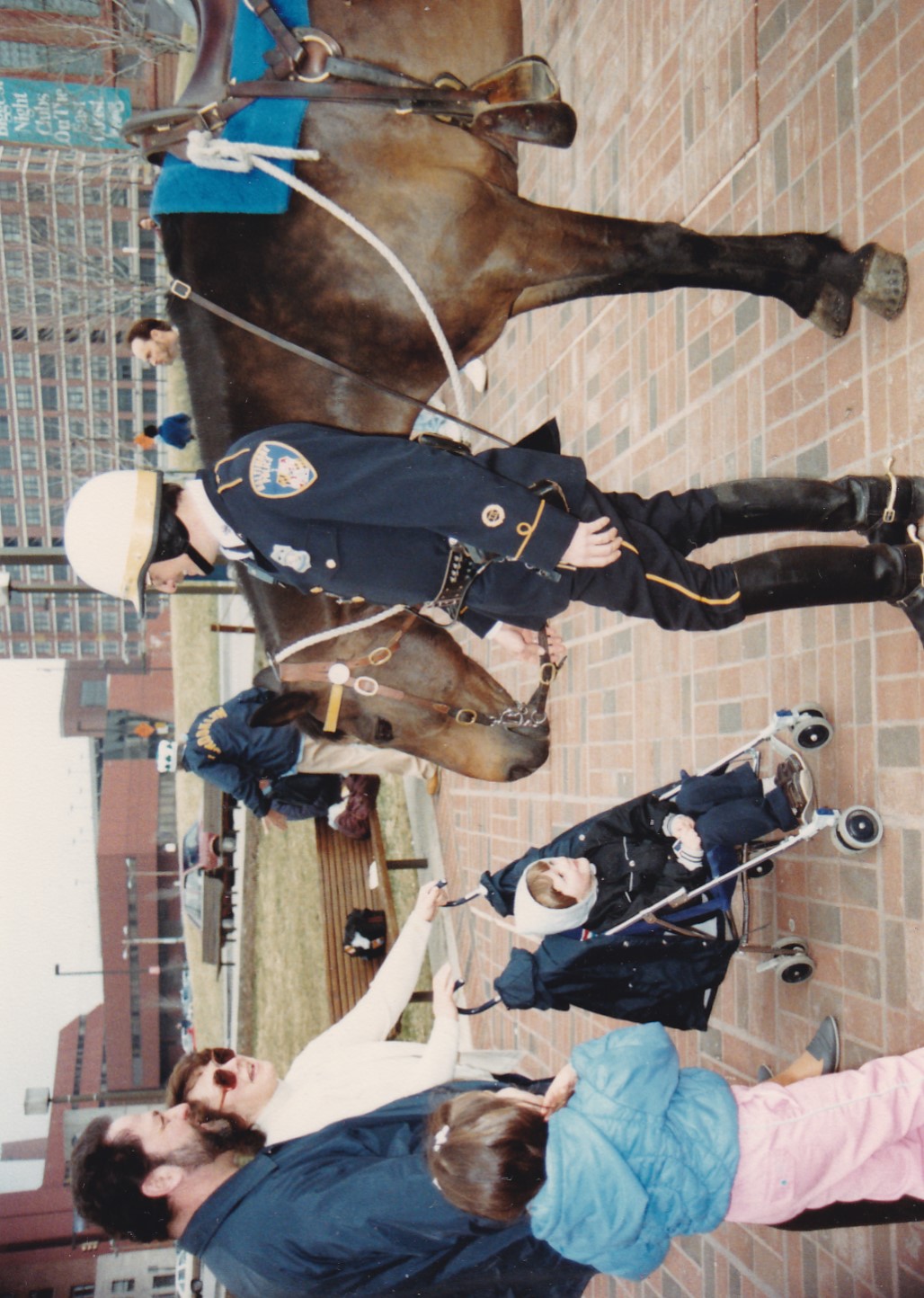
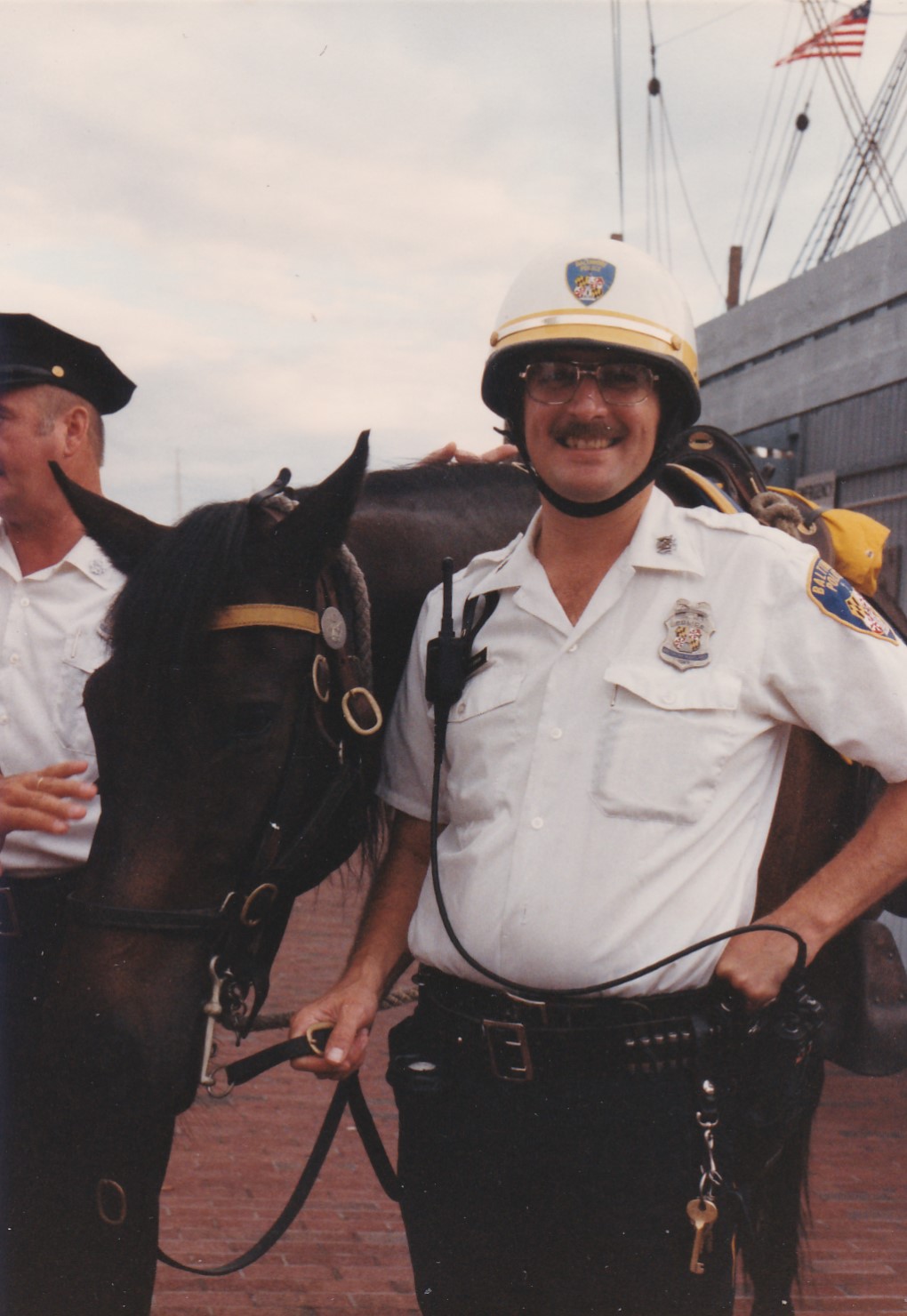
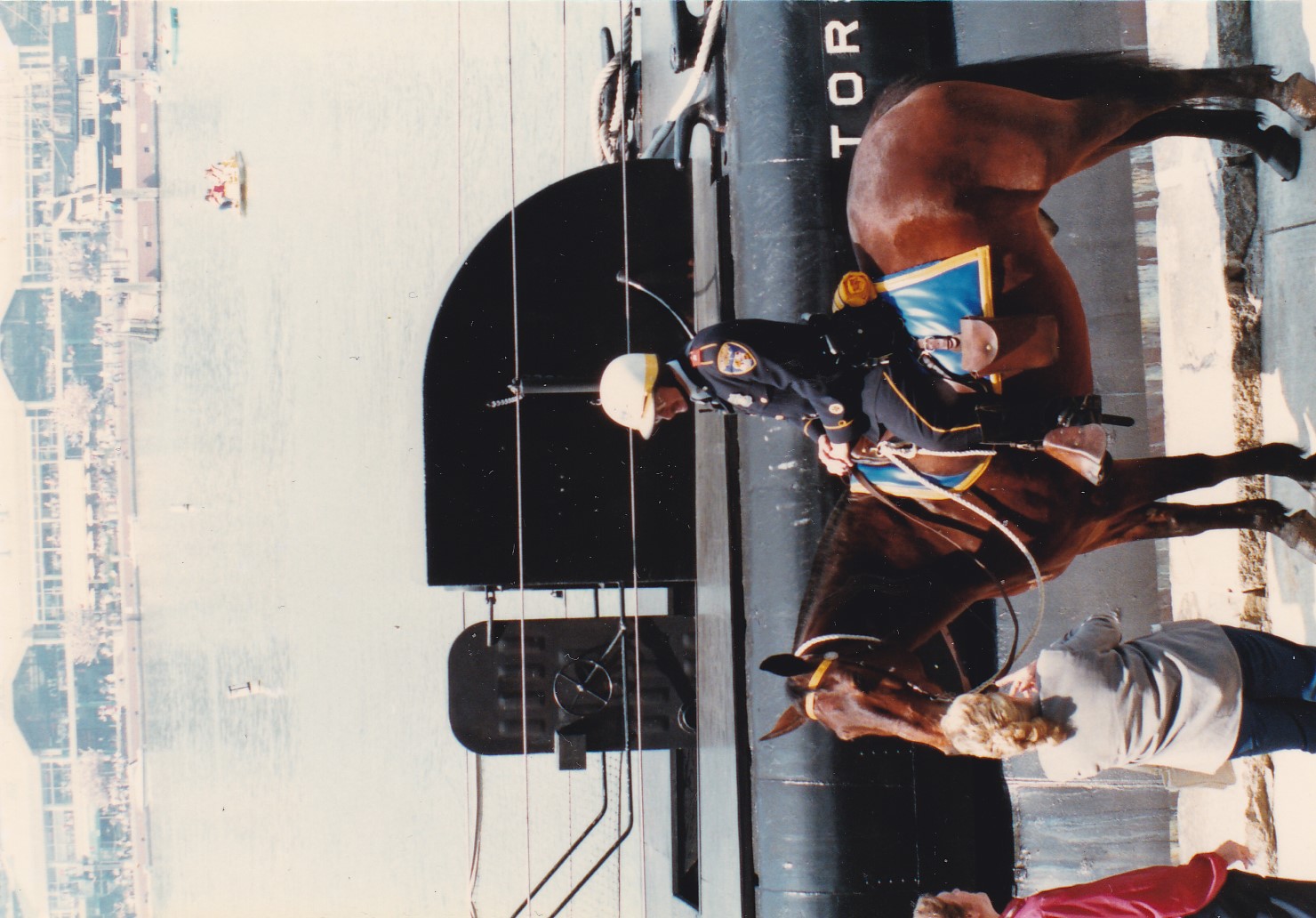
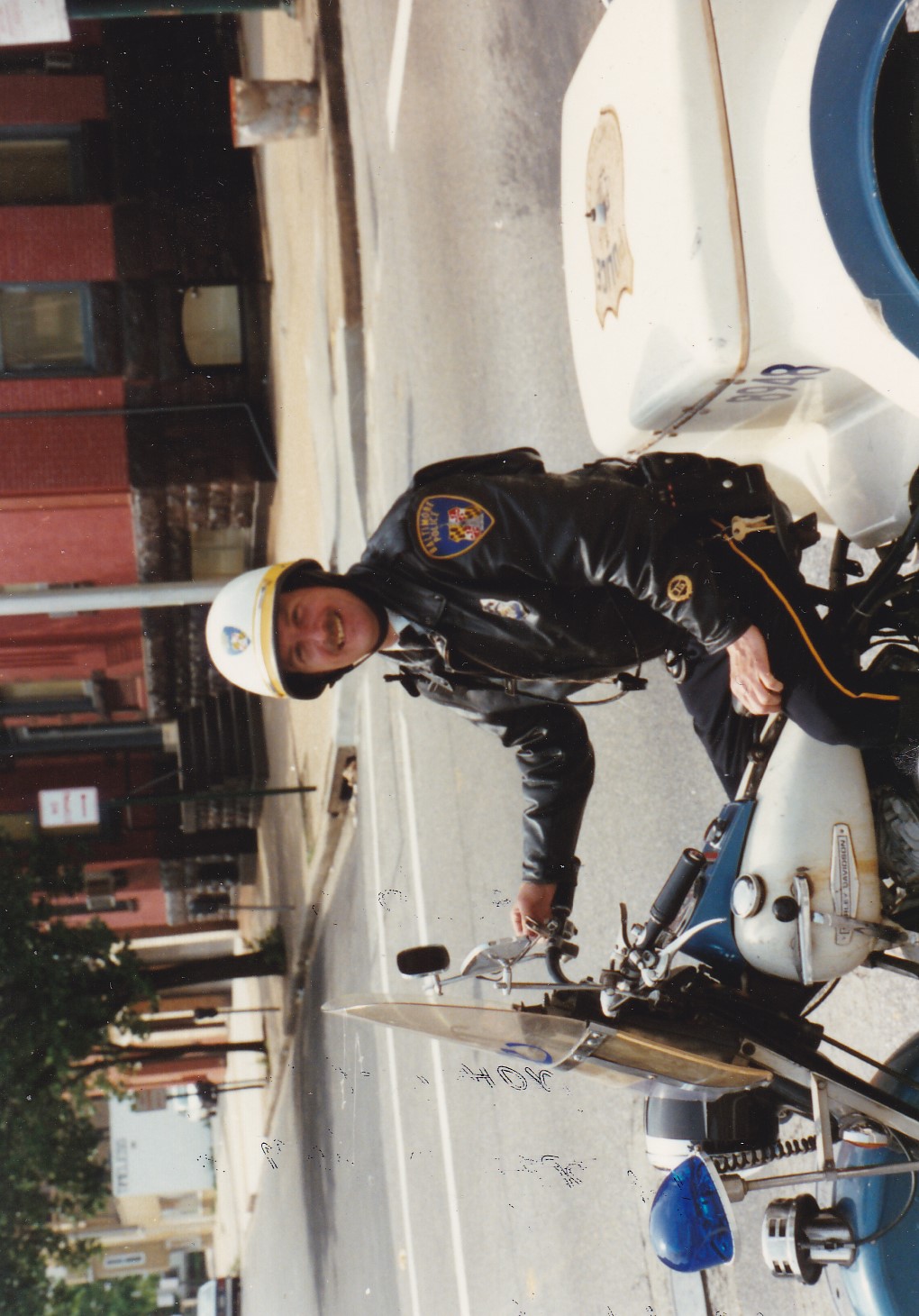
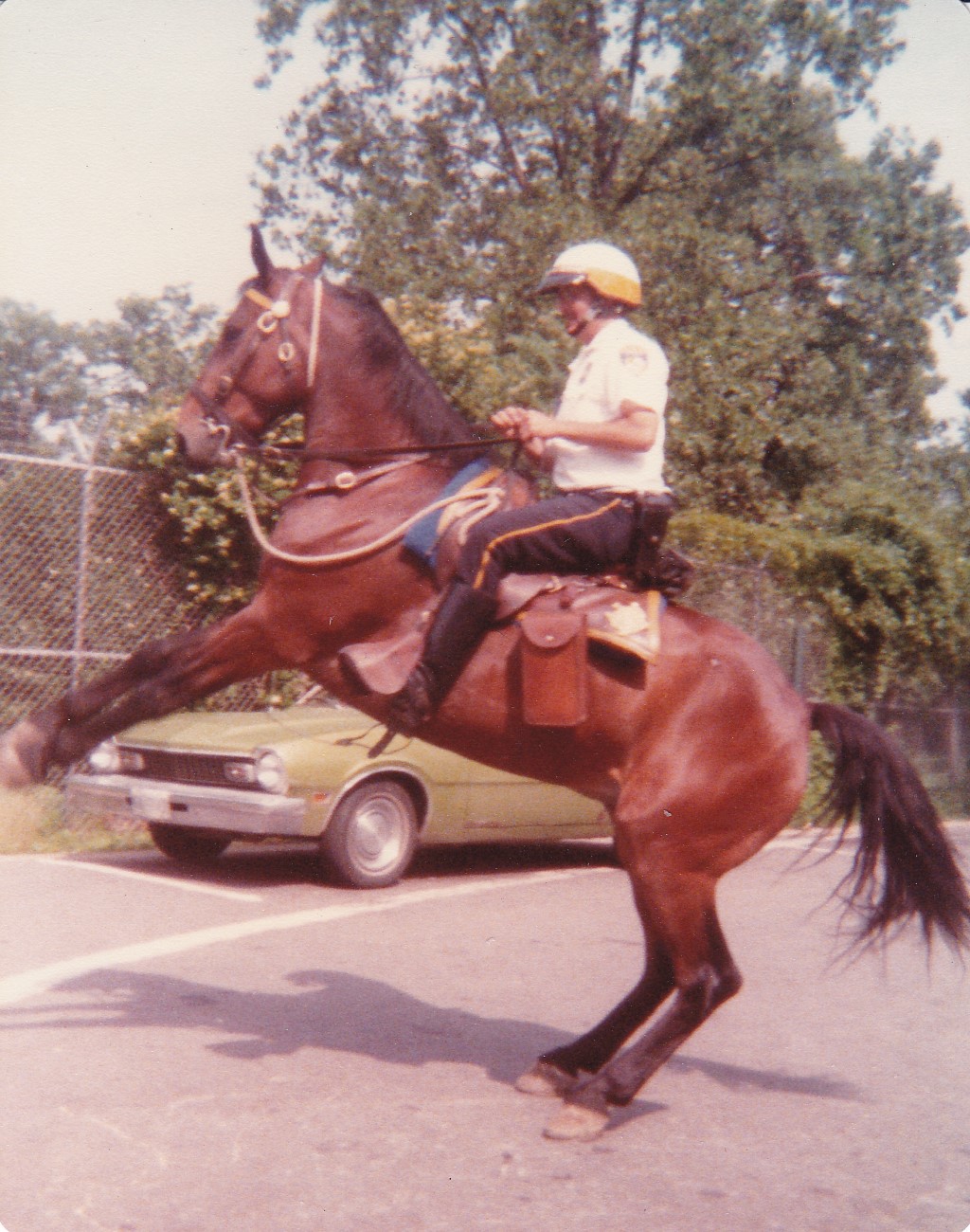
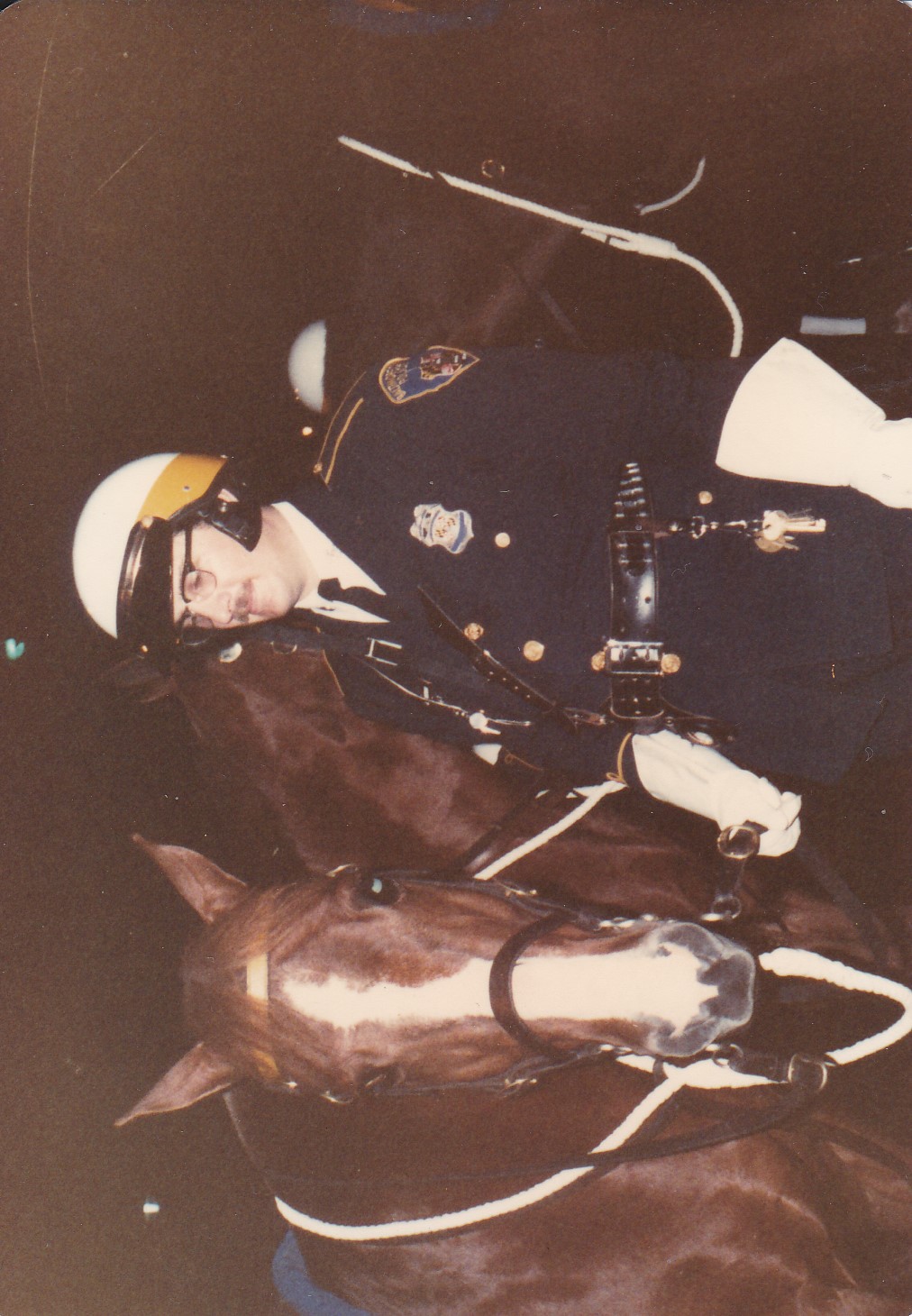
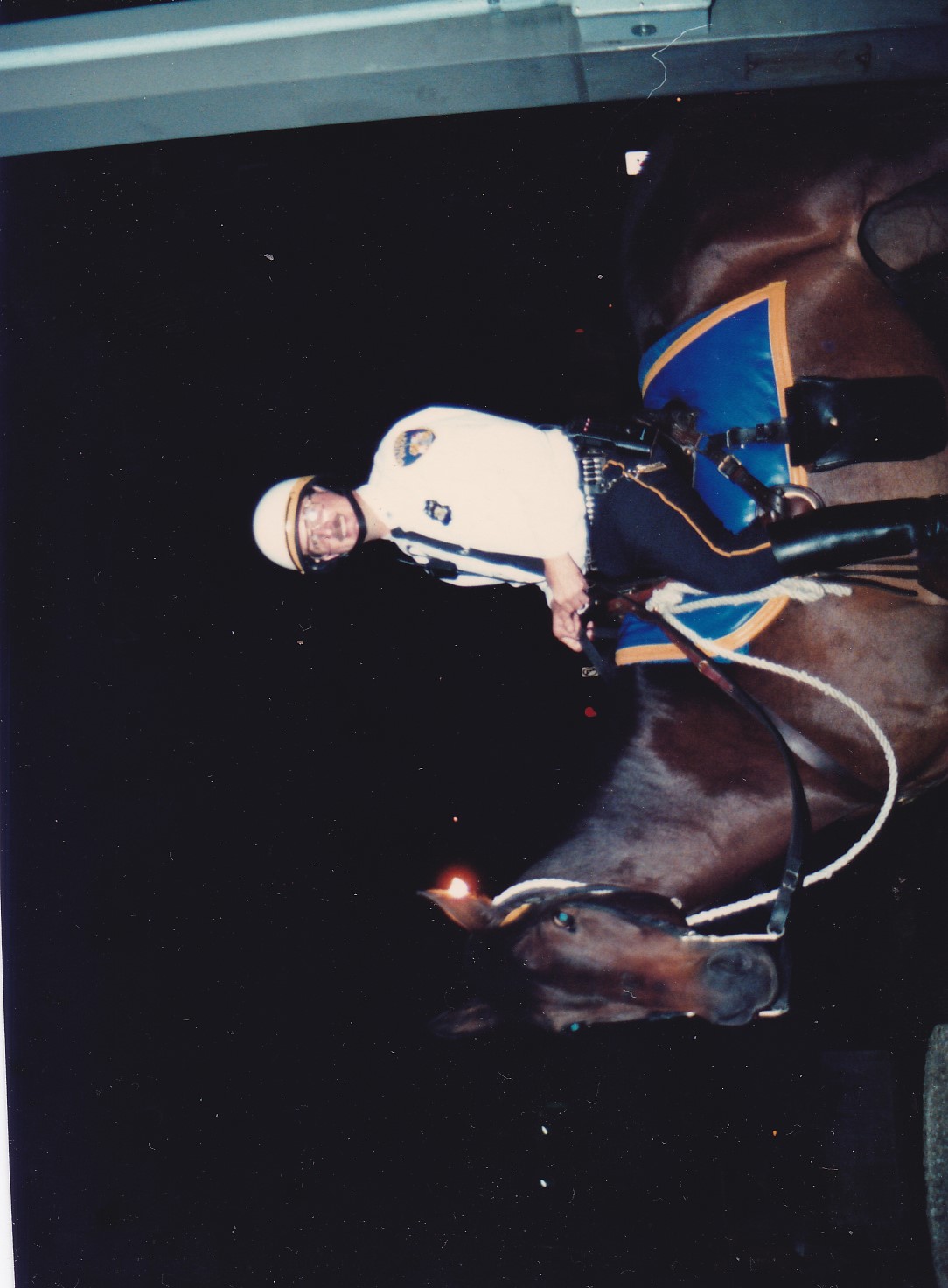
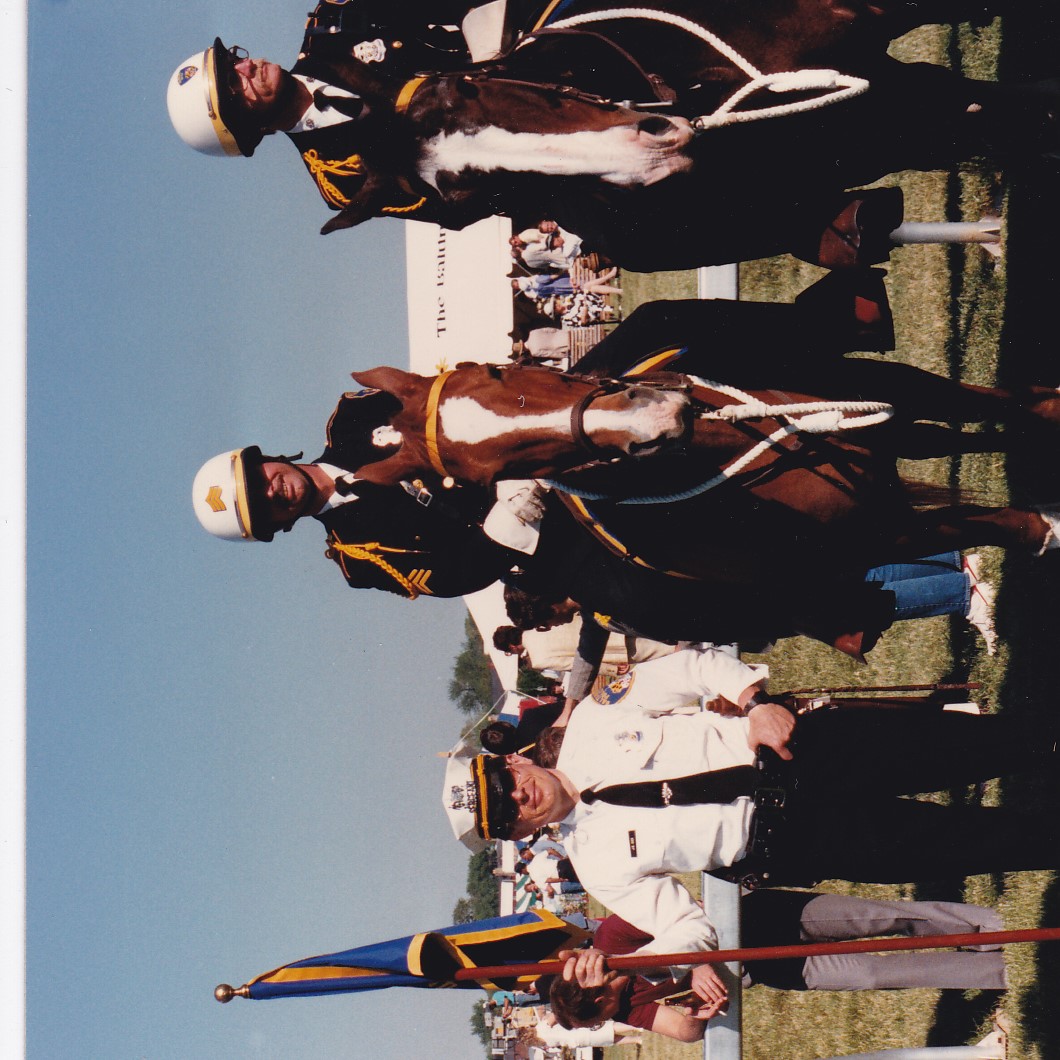
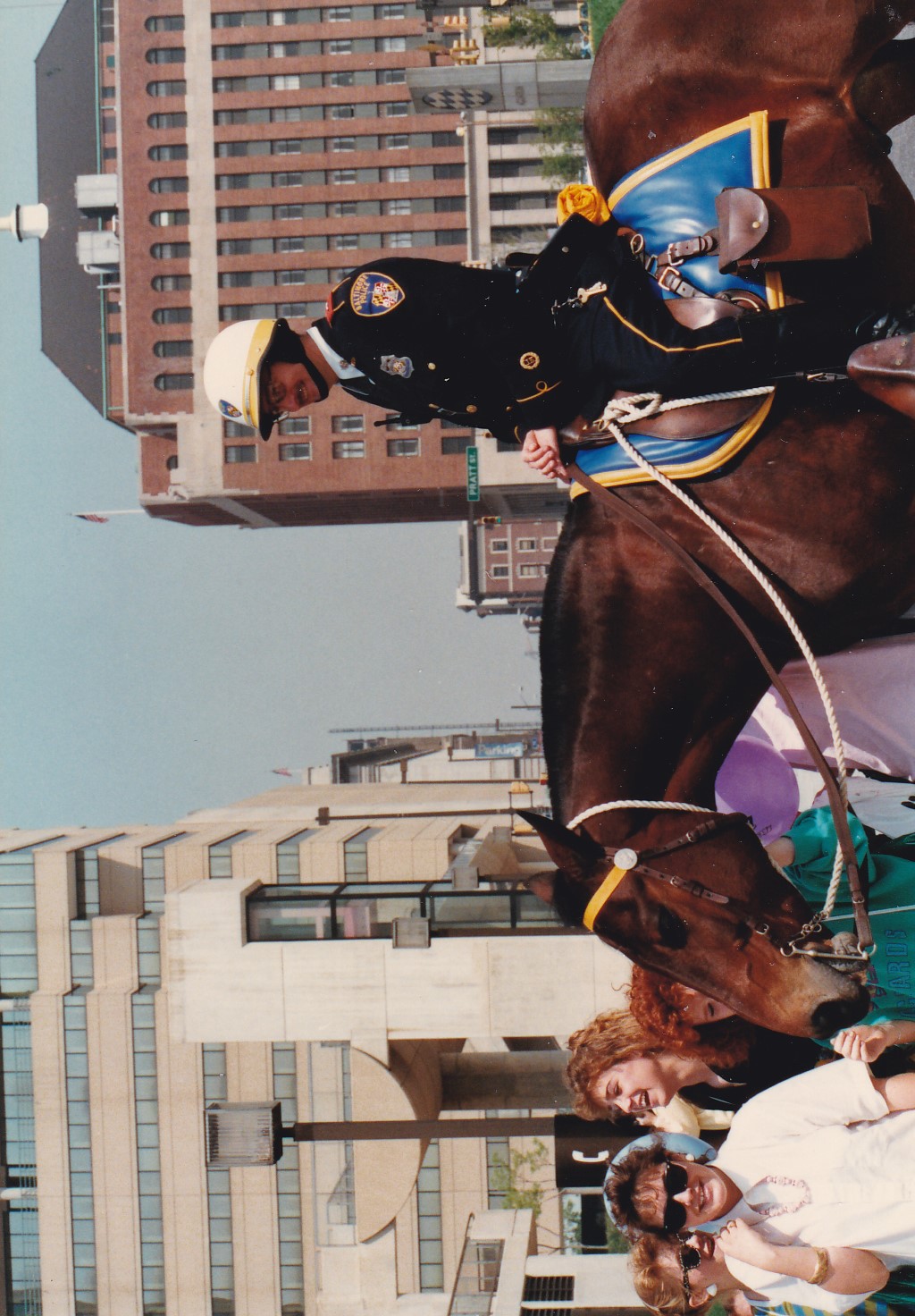
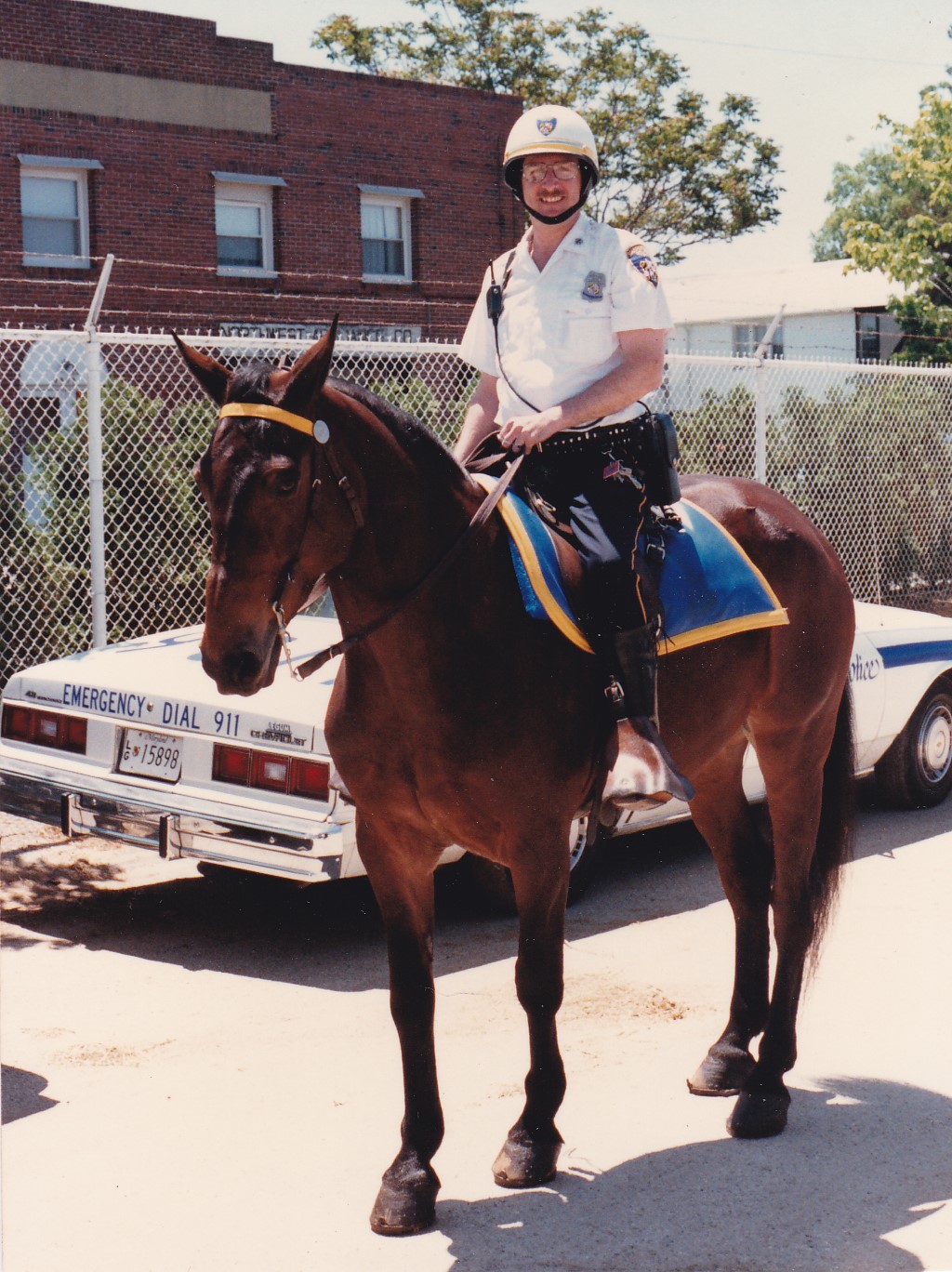
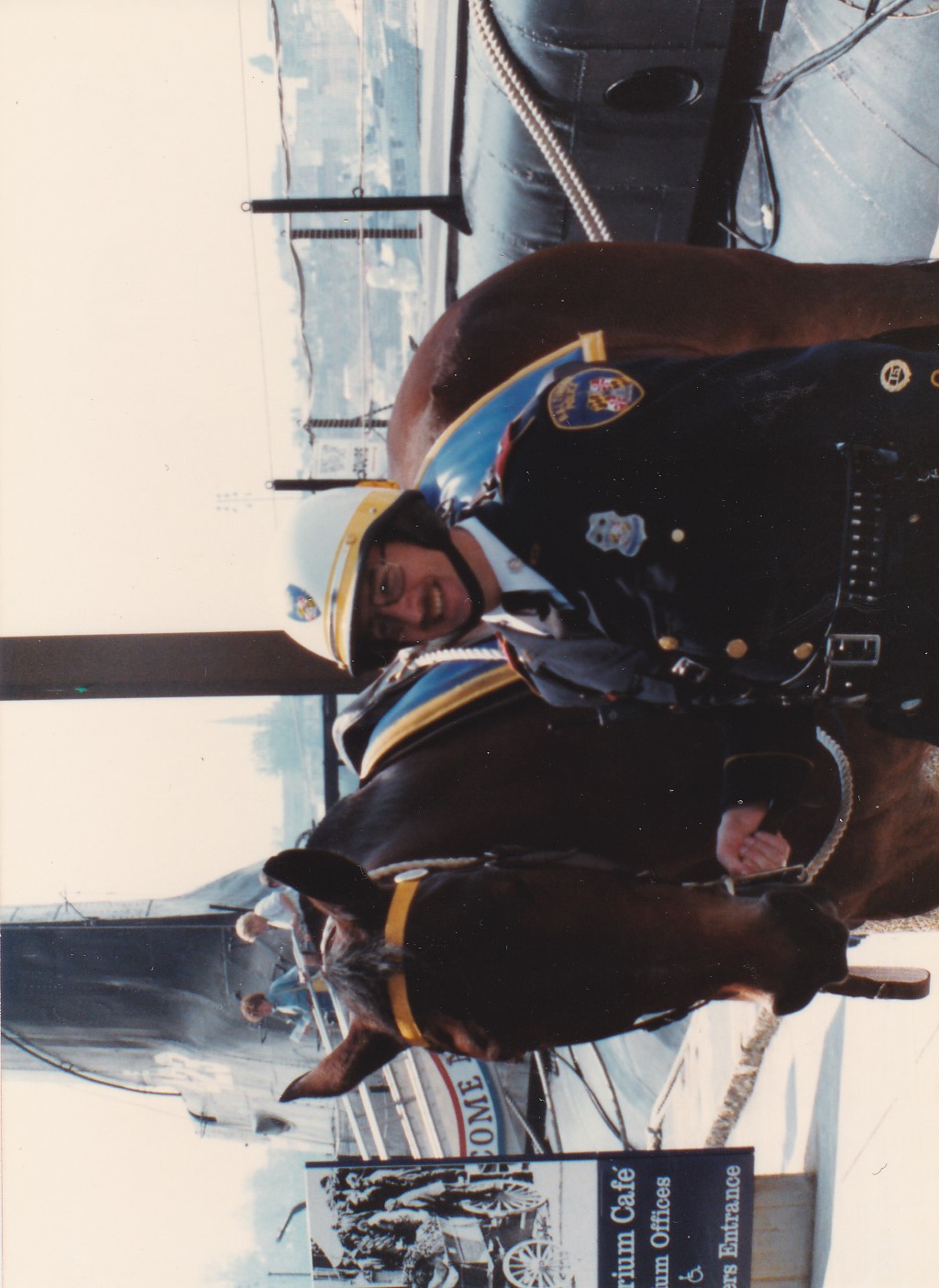
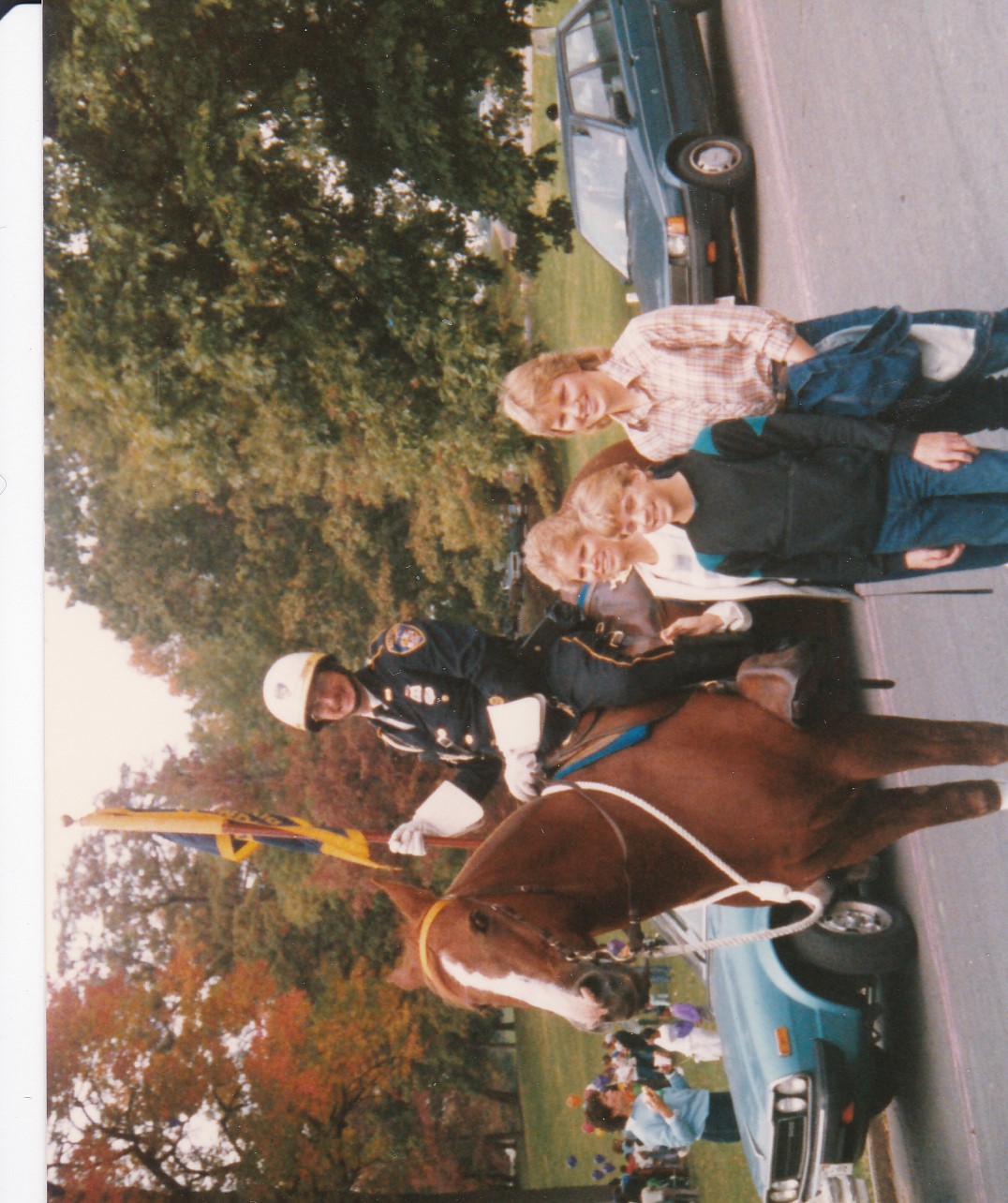
Officer John Hiederman: A Baltimore Life in Uniform
There are officers whose careers are remembered for a single incident, and then there are officers whose lives tell a broader story about service, endurance, and the character of a department. Baltimore Police Officer John Hiederman belongs to that second group. His career stretched across decades of city policing, from the 1970s through the 1990s and into the early years of the next decade, and his service included both central patrol and mounted duty — two assignments that, in very different ways, demanded patience, toughness, judgment, and pride. In a city as old, demanding, and storied as Baltimore, those were not small things. They were the daily measure of an officer’s worth.
Hiederman was part of a generation of Baltimore officers who understood that policing was not just about enforcement, but about presence. Central patrol meant being in the middle of the city’s life, handling calls, traffic, neighborhoods, disturbances, and the unpredictable pressure that comes with a busy urban beat. It required a man who could think quickly, speak plainly, and carry himself with steadiness. That kind of assignment gave a police officer a direct connection to the people and streets he served, and it often became the foundation for everything that came after.
What came after for Hiederman included mounted duty, one of the most distinctive assignments in the Baltimore Police Department. The city’s mounted unit dates to 1888 and remains one of the oldest continuously operated mounted police units in the country. Mounted officers are not merely riders; they are highly visible public servants who can manage crowds, patrol large public spaces, move through congested areas, and bring order and visibility where ordinary patrol methods may not work as well. To serve in that unit required confidence, discipline, and a steady hand — both for the horse and for the officer guiding it.
That image alone says something important about John Hiederman. He was trusted in roles that asked for more than routine police work. Mounted officers had to be calm in chaos, alert in crowds, and ready to represent the department in some of its most visible assignments. That kind of duty is not given lightly. It suggests an officer who had already proven himself dependable, adaptable, and capable of carrying himself with the kind of quiet authority that makes a department stronger.
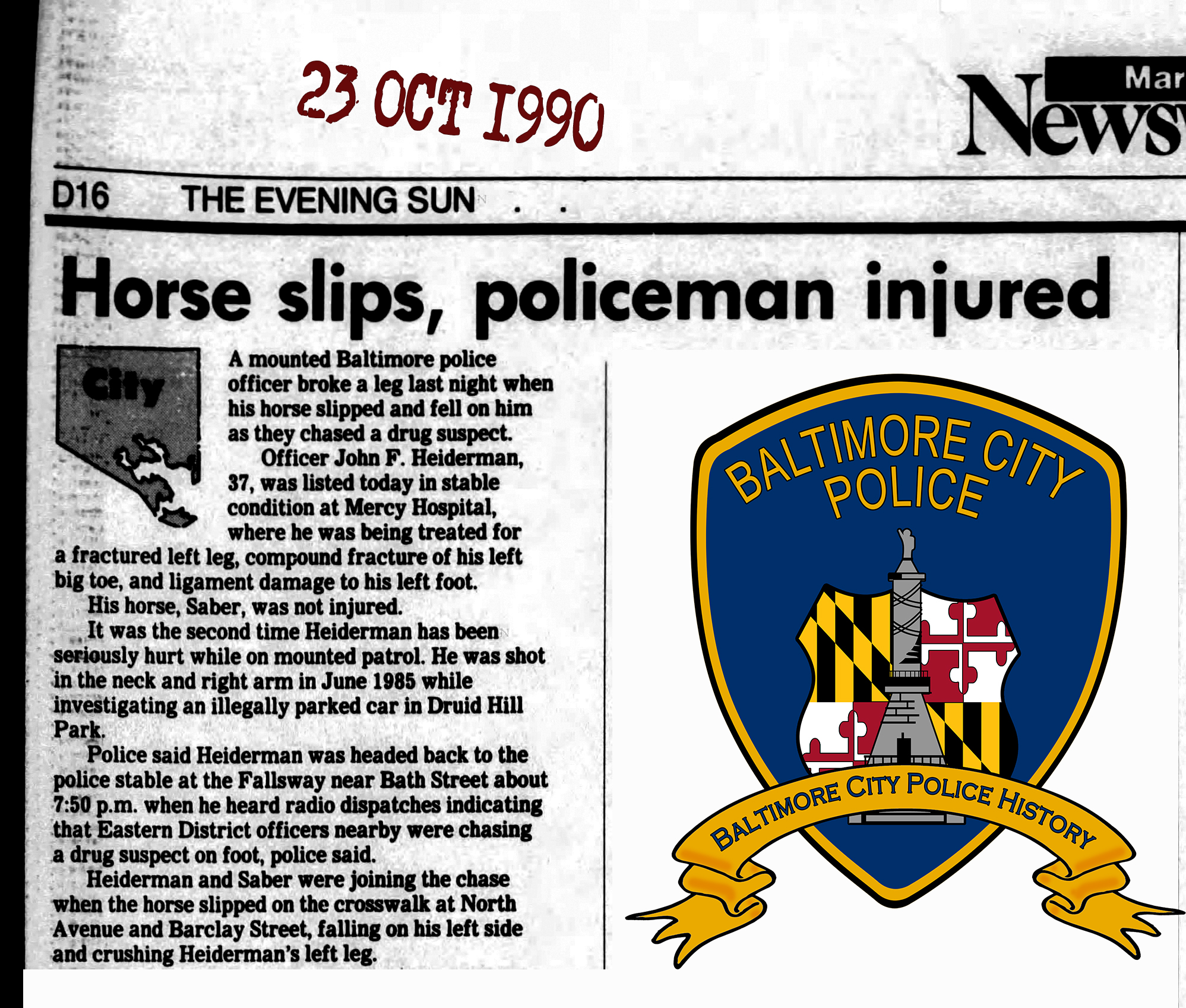
But Hiederman’s career was not defined only by routine service or ceremonial visibility. At one point during his police work, he was shot in the line of duty and later released from the hospital with a bullet still lodged in his upper chest. That detail changes the way his career is remembered, because it reveals something deeper than endurance. It reveals the danger that stood behind the badge. It reminds us that police service is never just a matter of uniform and rank; it is a job where an ordinary call can turn suddenly and permanently life-altering.
The importance of that injury cannot be overstated. Officers who survive such an experience do not simply return to duty unchanged. They carry the memory of that moment, the physical reminder, and the knowledge that they faced down real danger and kept going. For his family, that fact adds a layer of pride that goes beyond the badge itself. It speaks to courage, sacrifice, and the kind of resolve that defines a life in law enforcement. It says that John Hiederman did not just work in Baltimore police service — he paid a price for it.
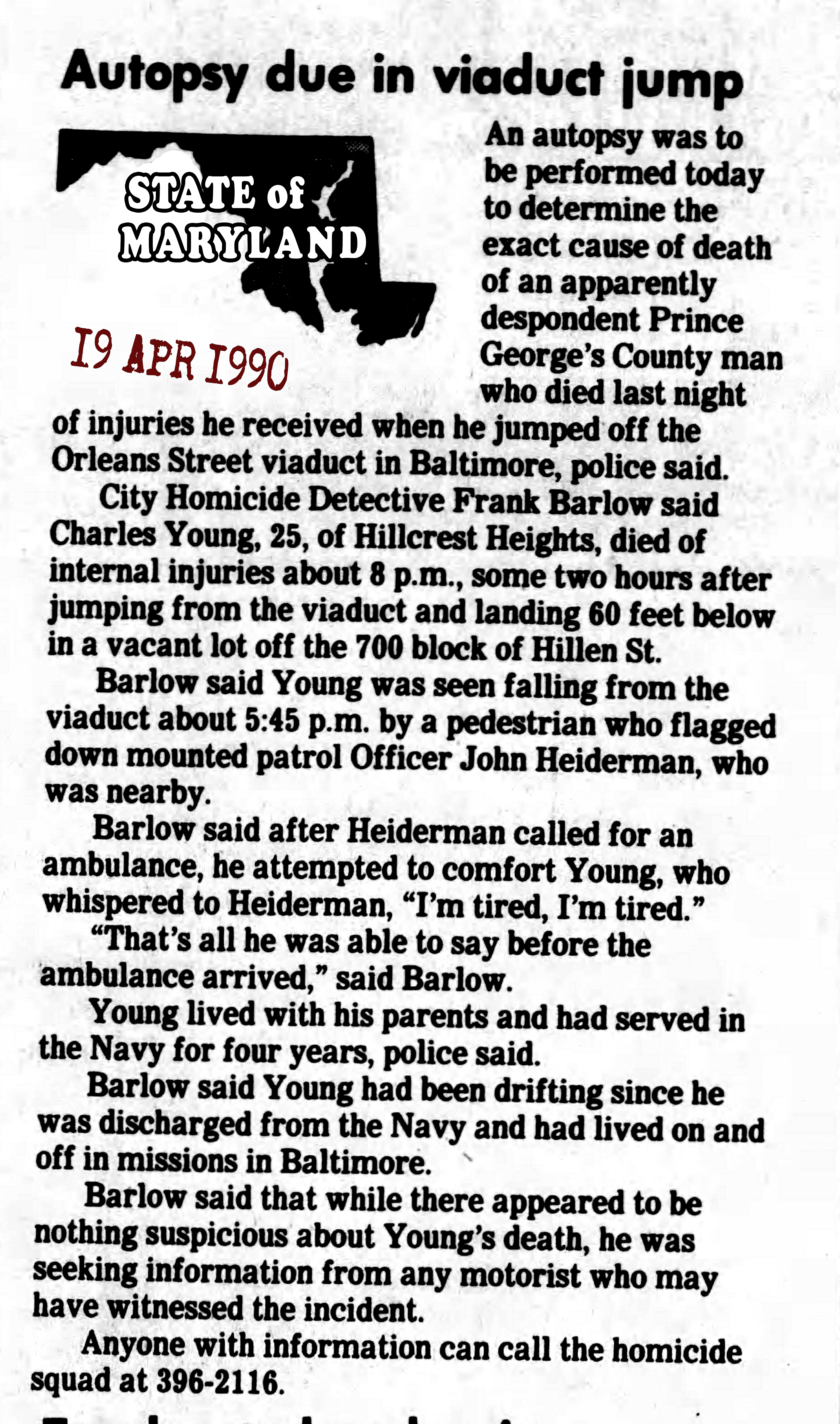
The Baltimore Police Museum’s records list him among the department’s wounded officers, confirming that his injury was recognized as a line-of-duty event. A Washington Post report from June 1985 also identified Heiderman as a mounted patrol officer who was released from Shock Trauma after doctors chose to leave the bullet in place. Taken together, those records help preserve a piece of his story that might otherwise have been lost to time. They show that his service was not only long, but hard. They show that he was tested, injured, and still carried on.
That is what makes stories like his matter. Too often, the public sees only the broad outline of a police career. But a family sees the full human picture: the long hours, the missed dinners, the worry that never quite leaves home, the moments of danger no one outside the profession fully understands, and the pride that comes from knowing a husband, father, brother, or grandfather stood for something bigger than himself. Officer John Hiederman’s story belongs to that fuller picture. He was not just a police officer in a city uniform. He was a man who served in the street, served on horseback, and faced violence in the line of duty without letting that become the end of his story.
Baltimore has always had officers who became part of its living memory, and mounted officers in particular have long occupied a special place in the city’s history. They were visible in parades, civic events, downtown policing, and crowd control, where their presence symbolized a kind of order that was both practical and traditional. To have served in that unit was to be part of a line that stretches back more than a century. To have served in central patrol as well was to know the city from the ground up, from the streets where the work was immediate and often unforgiving.
John Hiederman’s career reflects both sides of that experience. He knew the pressure of the beat and the discipline of the saddle. He knew what it meant to be assigned where the department needed him. He knew danger. He knew recovery. He knew service. Those are not small words, and in a police family they are never abstract. They are earned in real time, day after day, shift after shift.
In the end, that is the heart of his story. He represents a kind of Baltimore police officer whose work was steady, visible, and brave. His service connected him to the city’s everyday life, its traditions, and its risks. His injury reminds us that he gave more than time — he gave part of himself. And for the family who carries his name, that is a legacy worth preserving with gratitude and pride.
Sources used
This article is based on Baltimore Police History material, the department’s mounted unit history, the wounded-officer listing, and a Washington Post report identifying Heiderman as a mounted patrol officer injured in the line of duty.
Links will be added to the following articles so they can be read more easily
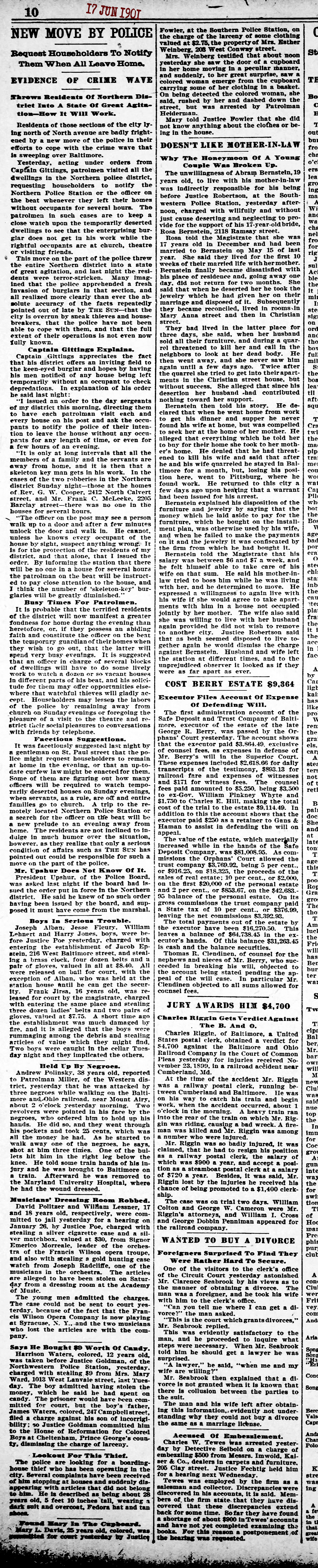
Click HERE

Click HERE
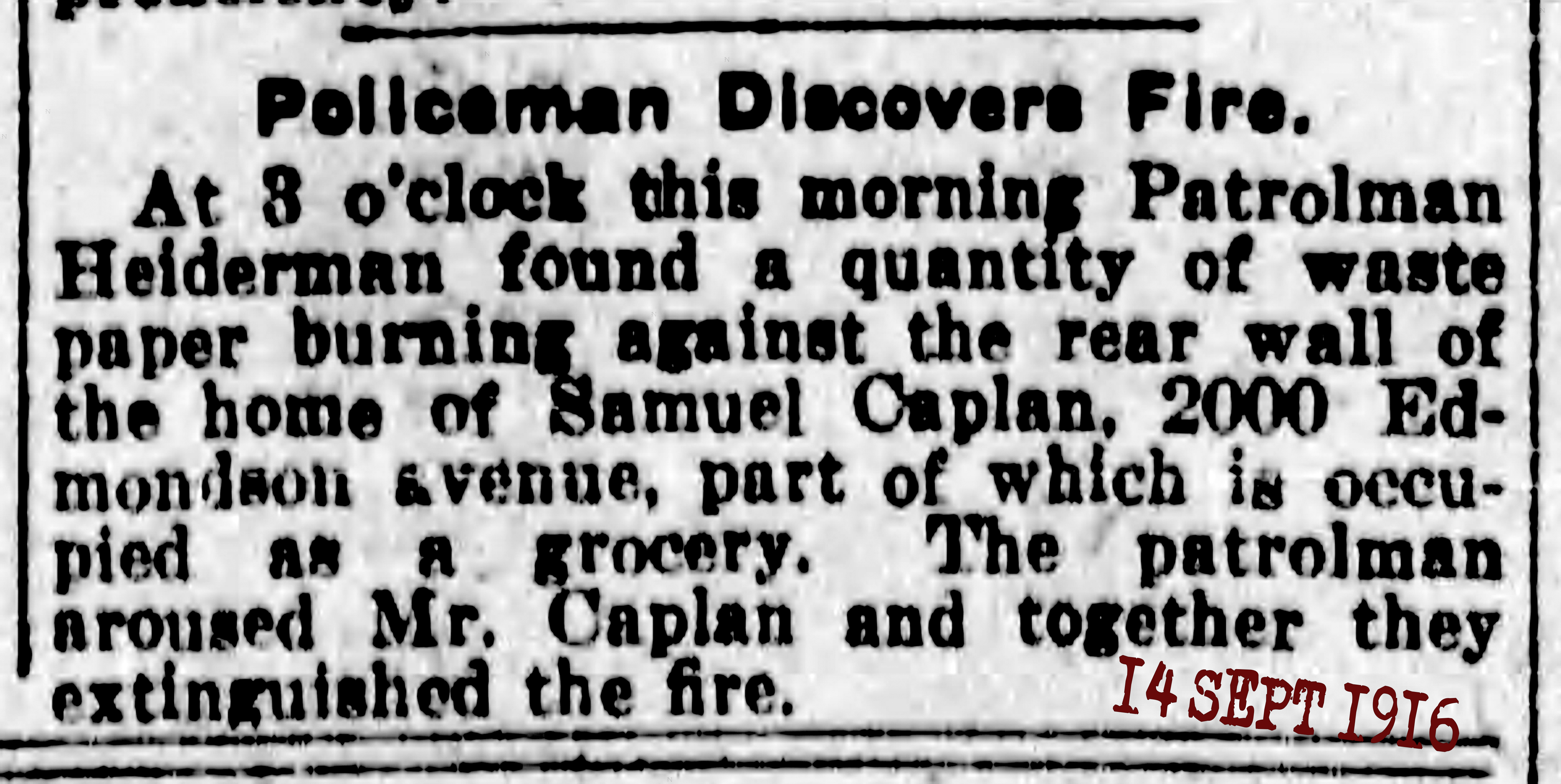
Click HERE
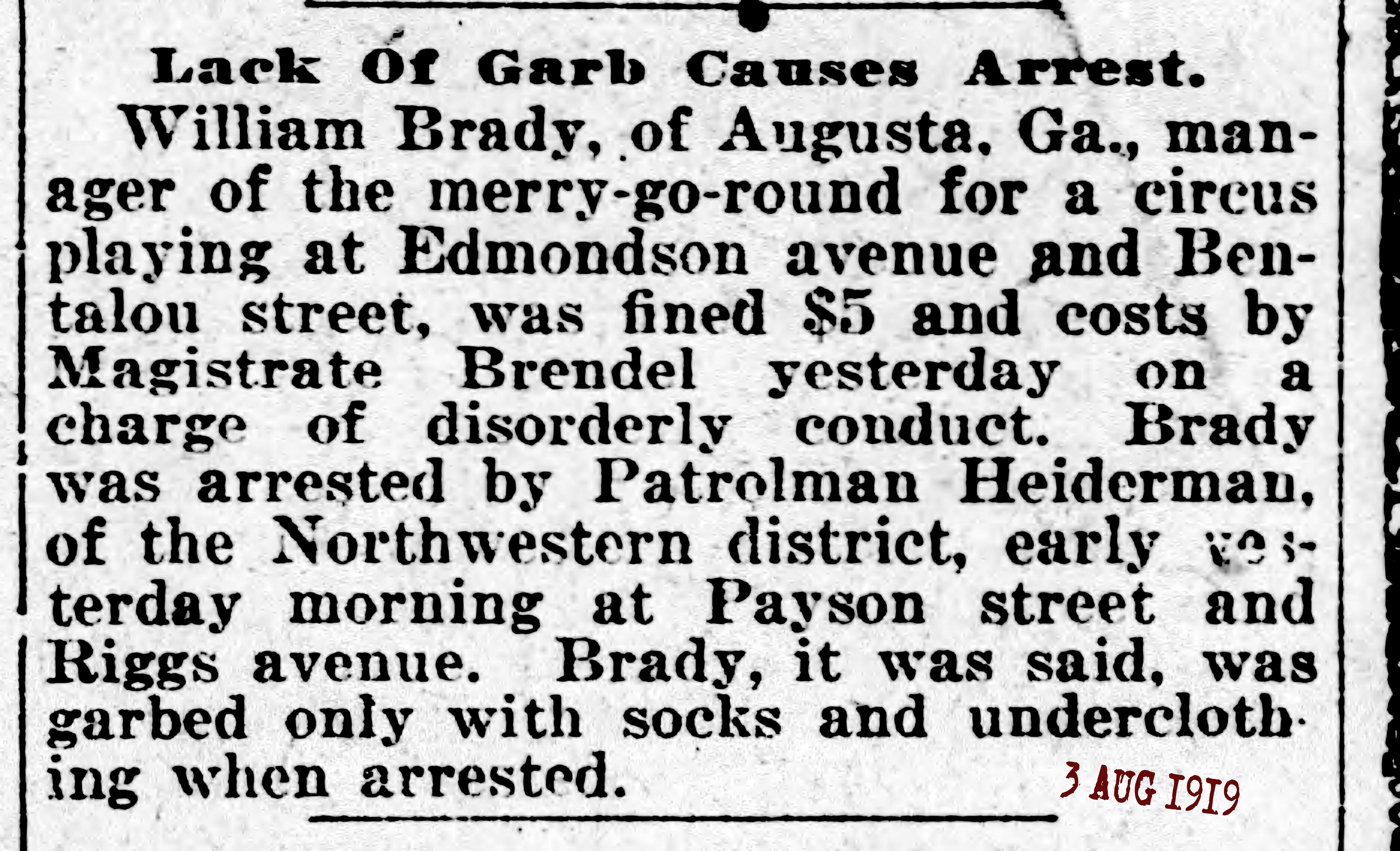
Click HERE
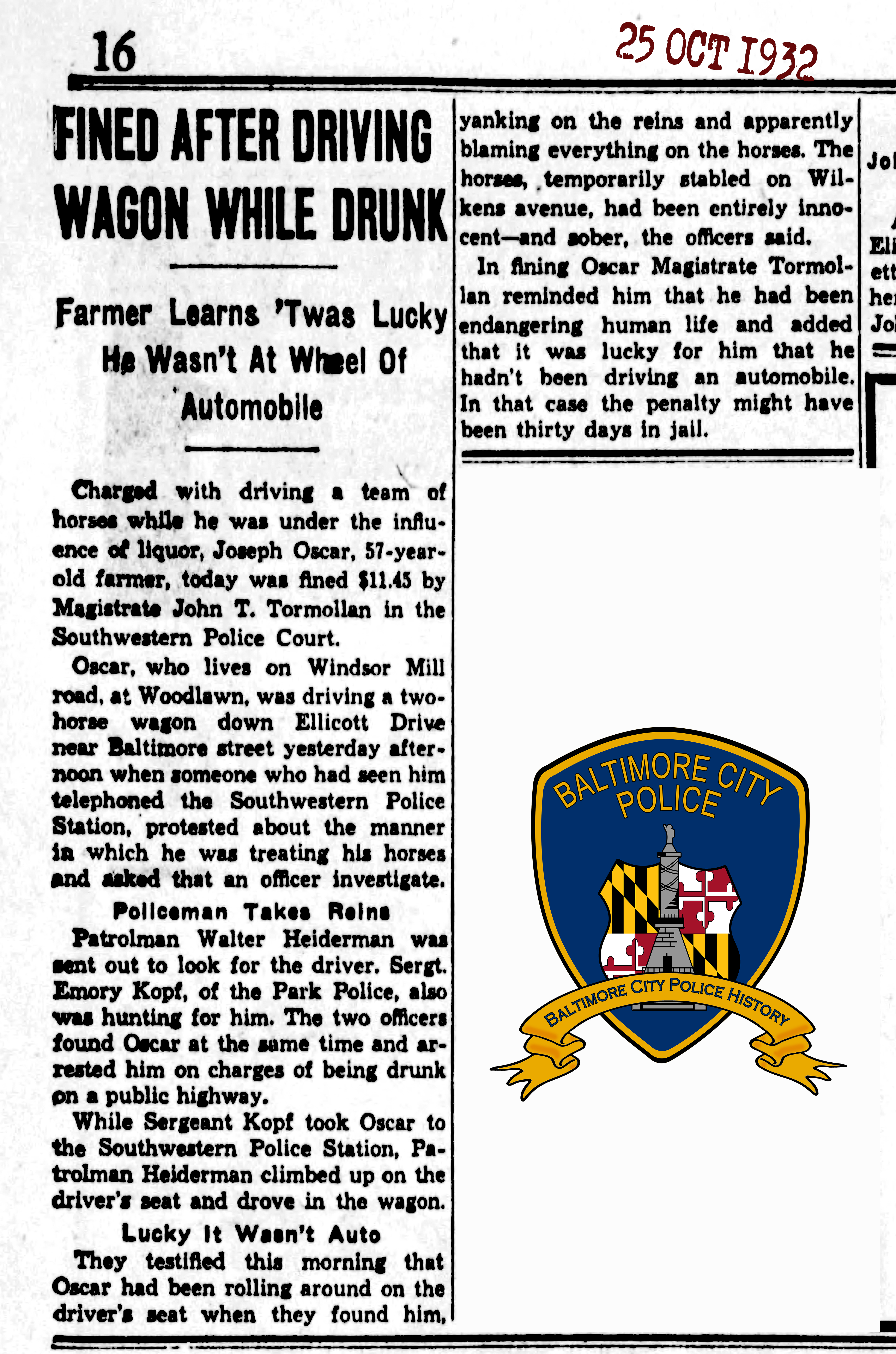
Click HERE
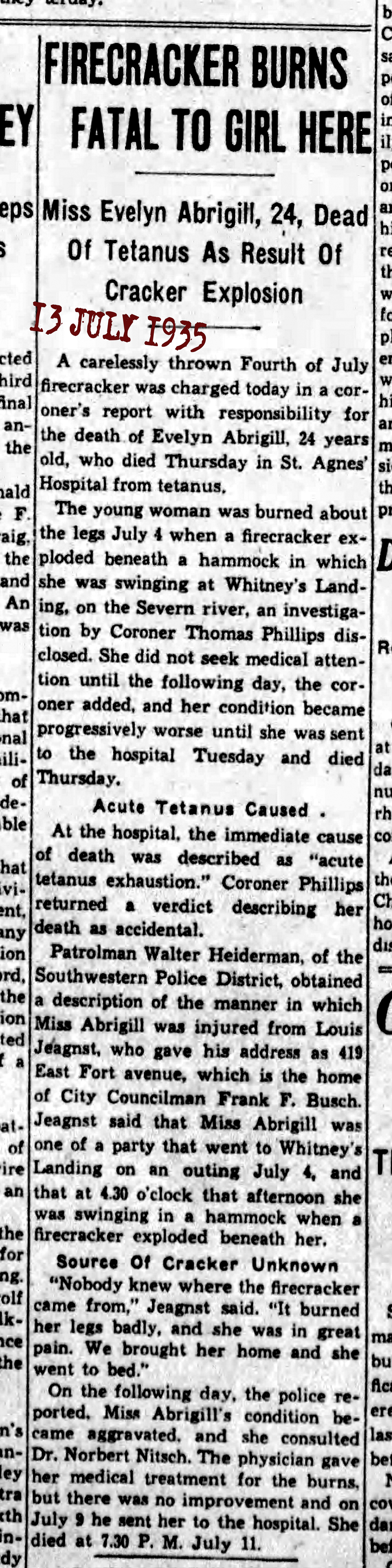
Click HERE
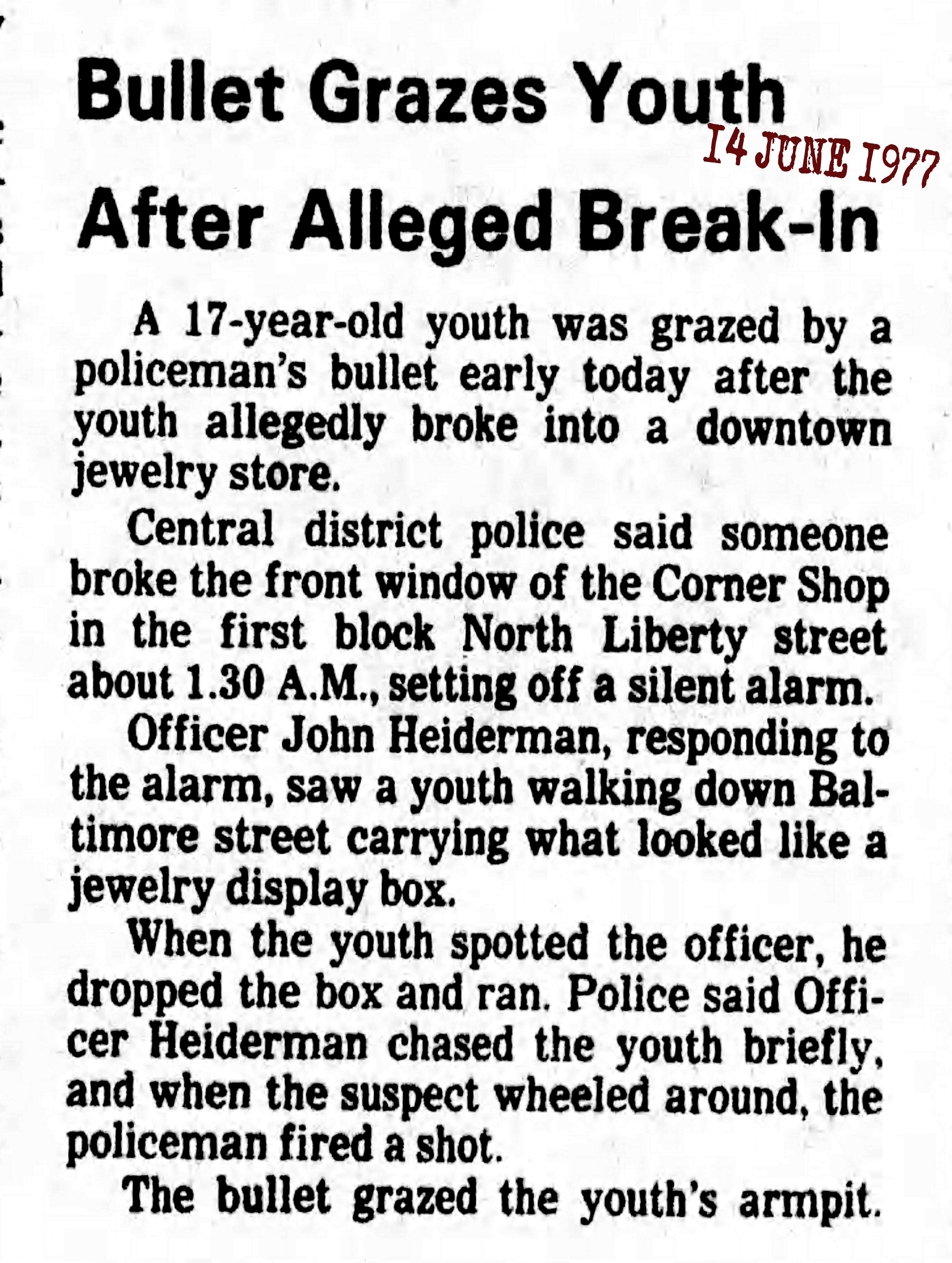
Click HERE
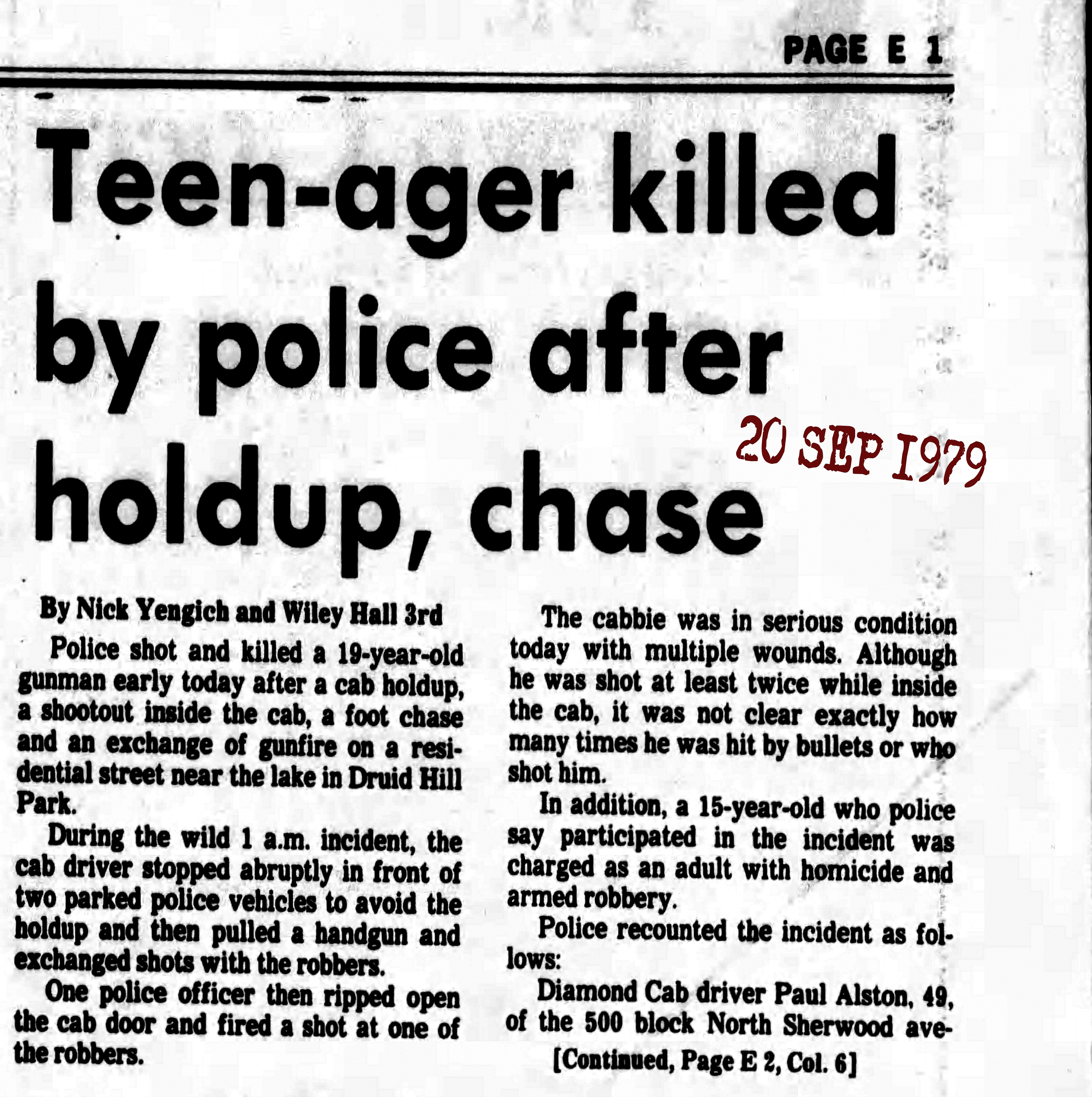
Click HERE

Click HERE
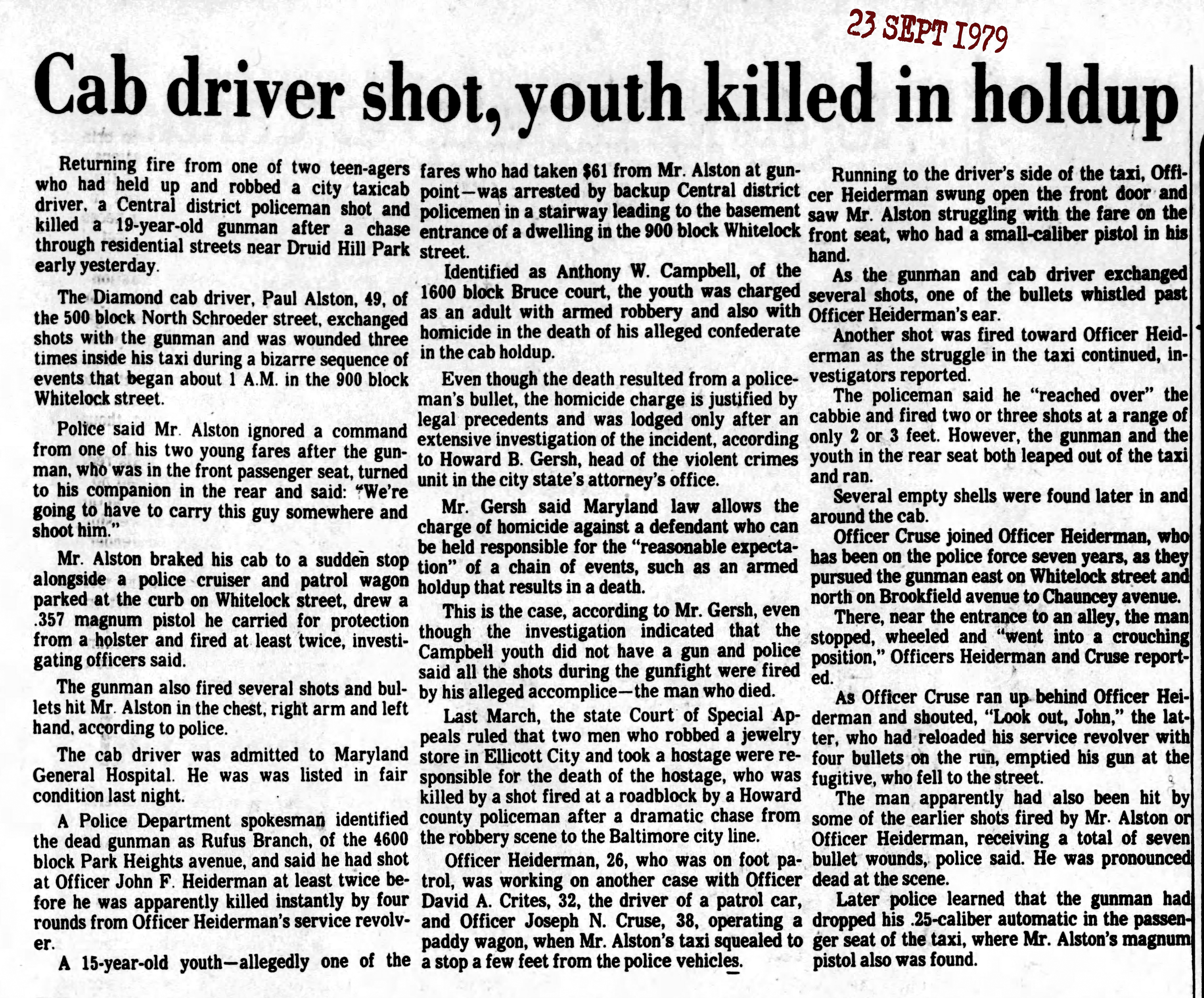
Click HERE
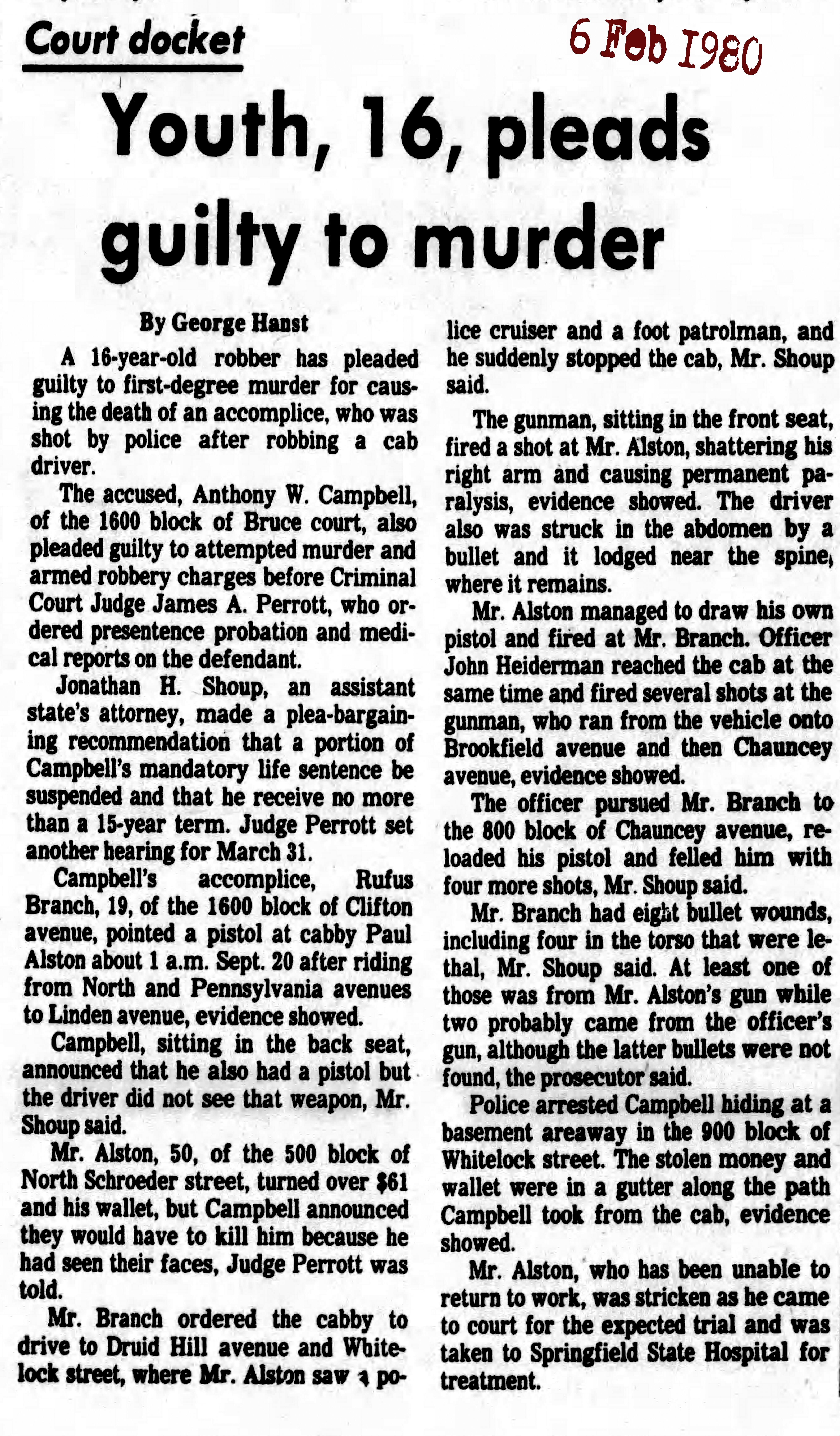
Click HERE
Click HERE
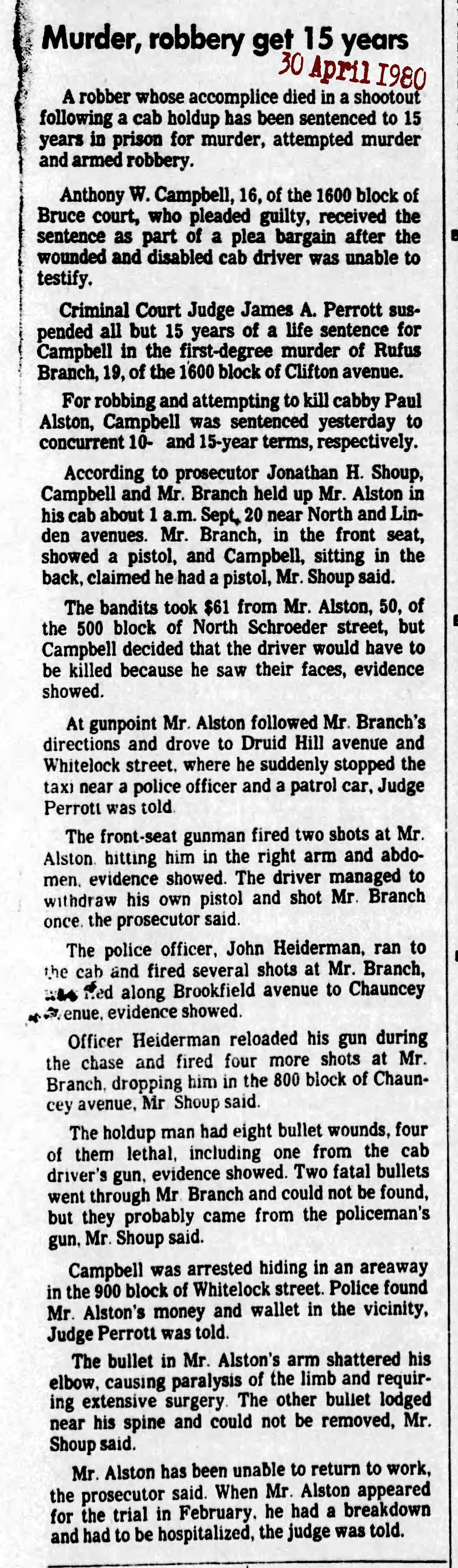
Click HERE
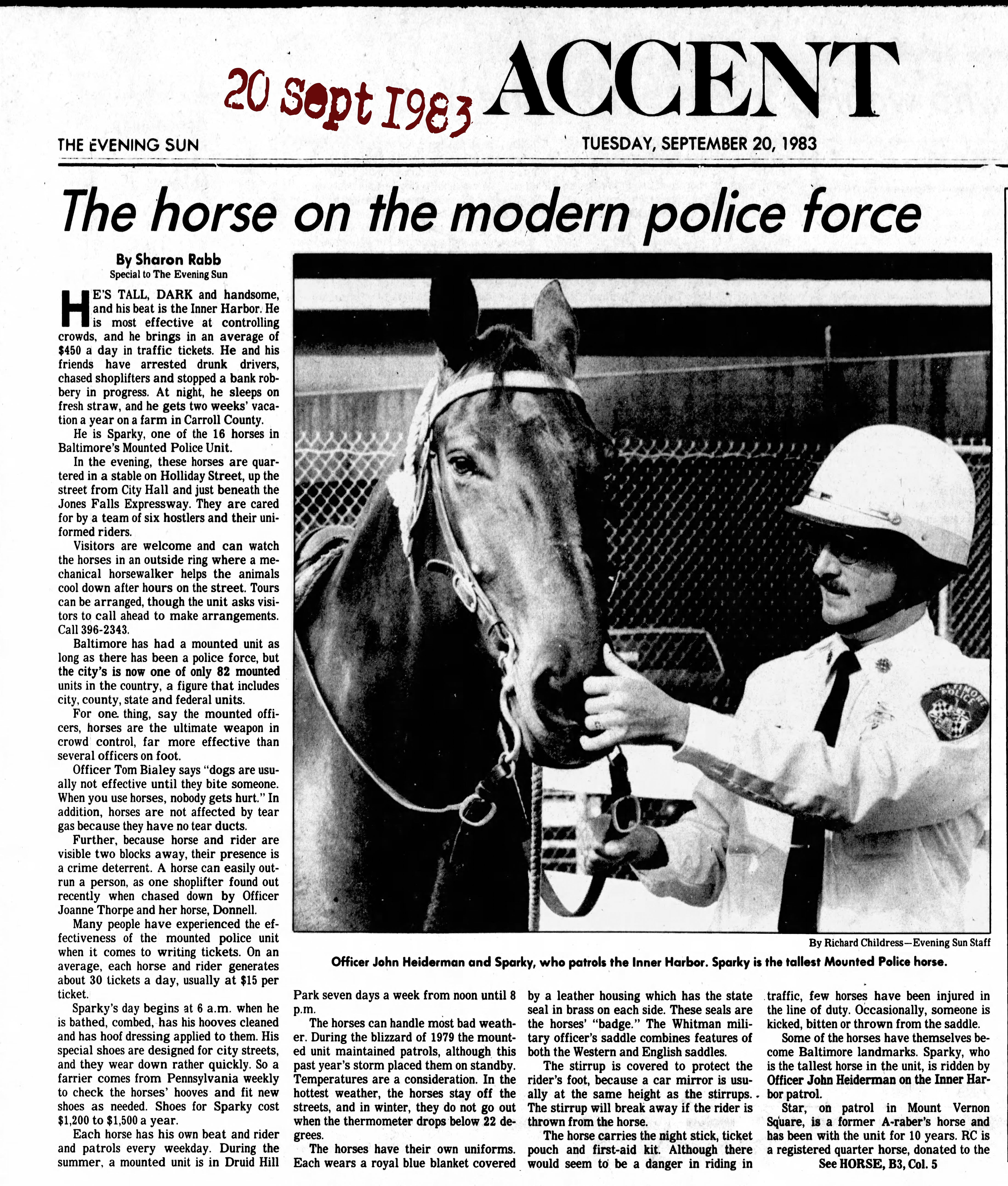
Click HERE
Click HERE
Click HERE

Click HERE
Click HERE
Click HERE
 John Heiderman, Medivac
For full size photo click HERE or on photo above
Click HERE
Click HERE
Click HERE
Donations
Donations help with web hosting, stamps and materials and the cost of keeping the website online. Thank you so much for helping BCPH.

POLICE INFORMATION
Copies of: Your Baltimore Police Department Class Photo, Pictures of our Officers, Vehicles, Equipment, Newspaper Articles relating to our department and or officers, Old Departmental Newsletters, Lookouts, Wanted Posters, and or Brochures. Information on Deceased Officers and anything that may help Preserve the History and Proud Traditions of this agency. Please contact Retired Detective Kenny Driscoll.

NOTICE
How to Dispose of Old Police Items
Please contact Det. Ret. Kenny Driscoll if you have any pictures of you or your family members and wish them remembered here on this tribute site to Honor the fine men and women who have served with Honor and Distinction at the Baltimore Police Department.
Anyone with information, photographs, memorabilia, or other "Baltimore City Police" items can contact Ret. Det. Kenny Driscoll at
Copyright © 2002 Baltimore City Police History - Ret Det Kenny Driscoll
