

 The Real Story Behind Police and Donuts
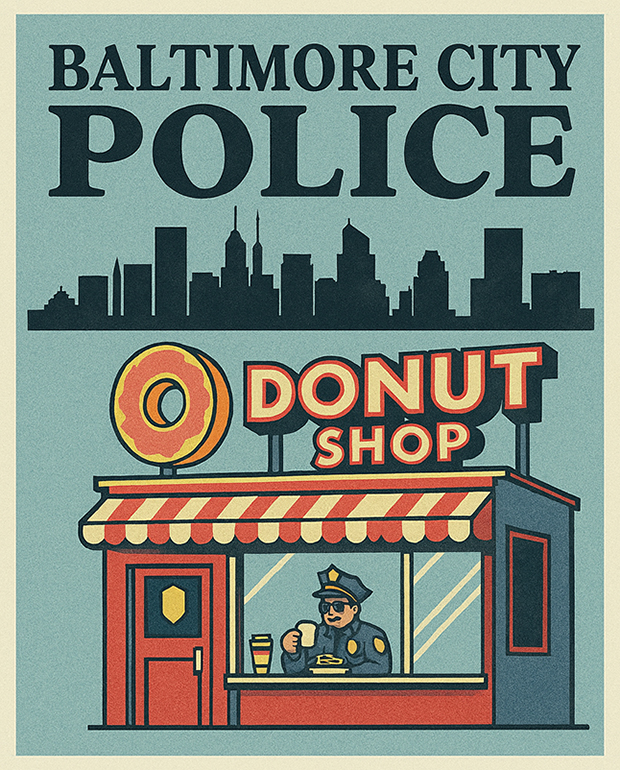
The image of a police officer sipping coffee beside a box of donuts is one of the most enduring—and misunderstood—stereotypes in American culture. But like most folklore, it’s rooted in something real.
It started in the 1950s. Back then, police officers working the midnight shift had few options for food or rest. Most restaurants closed early, and convenience stores weren’t what they are today. But donut shops? They were prepping for the morning rush—open late, brewing fresh coffee, and serving warm pastries. They became unofficial outposts for officers on patrol.
Why donuts?
-
Cheap, quick, and filling
-
Easy to eat on the go
-
Always paired with coffee
-
Served in well-lit, welcoming spaces
Donut shops weren’t just about snacks—they were about community presence. Owners appreciated the security of having police nearby, and officers appreciated a place to regroup, write reports, or warm up during cold shifts. It was a symbiotic relationship, not a sign of laziness.
Pop culture took it from there. Shows like The Simpsons and Reno 911! turned the image into a punchline. Suddenly, the donut wasn’t a symbol of practicality—it was a caricature. But the truth is, most officers today rarely set foot in donut shops while on duty. The stereotype lingers, but the reality has shifted.
In cities like Baltimore, the connection between police and community has always been layered. The donut shop was just one chapter—a place of warmth, caffeine, and a moment’s peace in a long night. It’s not about the pastry. It’s about the pause.
